



As technology evolves, the way we consume media has changed significantly. Smart TVs and Google TV are two popular platforms that enhance the viewing experience. While they may seem similar, they have distinct features and functionalities.
This article will explore the differences between a standard smart TV and Google TV, helping you understand which option might be best for your needs.
Key Differences Between Smart TVs and Google TV
| Feature | Smart TV | Google TV |
|---|---|---|
| Operating System | Varies by brand (Tizen, webOS, Roku) | Built on Android TV with a custom interface |
| Content Discovery | Users navigate through individual apps | Aggregates content from multiple streaming services into one interface |
| App Availability | Limited by the manufacturer’s app store | Access to thousands of apps via the Google Play Store |
| Voice Control | Basic voice control through external devices | Integrated Google Assistant for voice commands |
| User Profiles | Limited or no support for multiple profiles | Supports multiple user profiles for personalized recommendations |
| Personalization | Basic recommendations based on viewing history | Advanced algorithms provide tailored suggestions based on individual viewing habits |
What is a Smart TV?
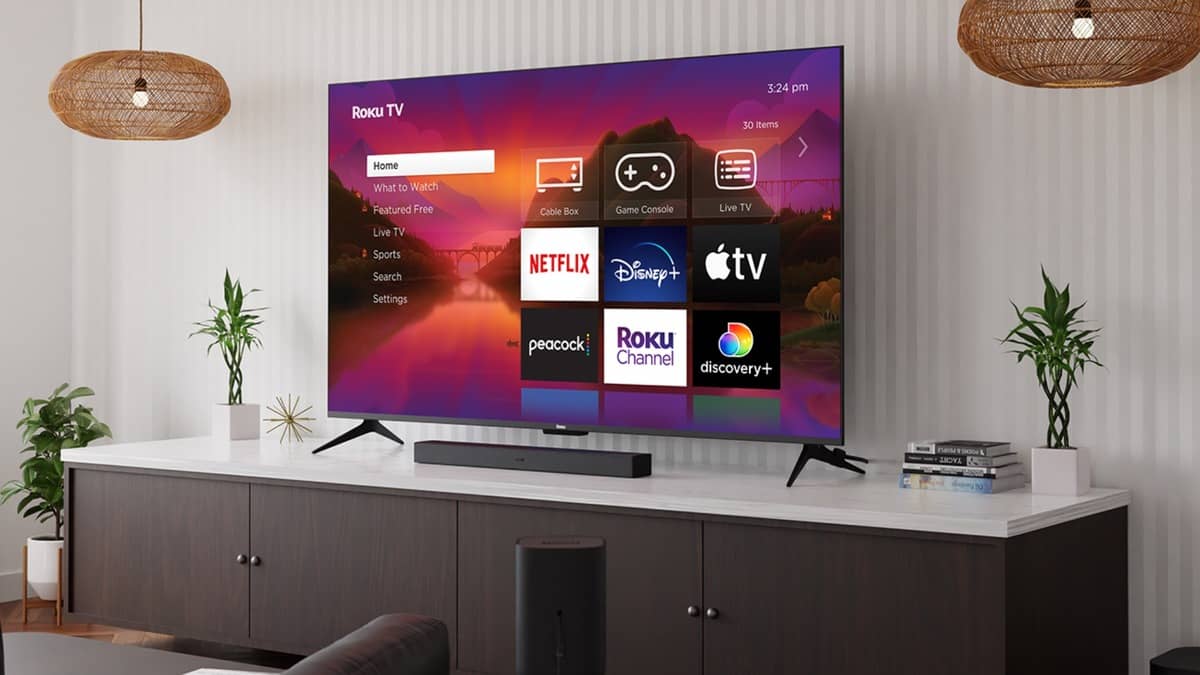
A smart TV is a television set that connects to the internet and allows users to access streaming services, apps, and other online content. Smart TVs come with built-in operating systems that provide access to popular streaming services like Netflix, Hulu, and Amazon Prime Video.
Key Features of Smart TVs:
- Internet Connectivity: Connects to Wi-Fi for streaming content.
- Pre-installed Apps: Comes with built-in applications for popular streaming services.
- Limited App Store: The availability of apps varies by manufacturer and operating system.
- Basic Voice Control: Some smart TVs offer limited voice control through external devices.
What is Google TV?
Google TV is a smart TV interface developed by Google that runs on top of the Android TV operating system. Launched in 2020, it focuses on content discovery and personalization. Google TV aggregates content from various streaming services, making it easier for users to find what they want to watch.
Key Features of Google TV:
- Content Aggregation: Combines content from multiple streaming apps into one interface.
- Personalized Recommendations: Uses algorithms to suggest shows and movies based on viewing habits.
- Voice Control with Google Assistant: Provides robust voice search capabilities directly within the interface.
- User Profiles: Supports multiple user profiles for tailored recommendations.
User Experience
The user experience differs significantly between smart TVs and Google TVs. Smart TVs often require users to switch between apps to find content. In contrast, Google TV presents a unified interface where users can discover shows and movies without navigating multiple applications. This streamlined approach enhances the viewing experience by reducing search time.
In summary, while both smart TVs and Google TVs offer internet connectivity and access to streaming services, they differ in functionality and user experience.
Smart TVs provide basic features with limited app availability based on their operating systems. On the other hand, Google TV offers a more advanced platform with personalized content recommendations, extensive app access, and integrated voice control.