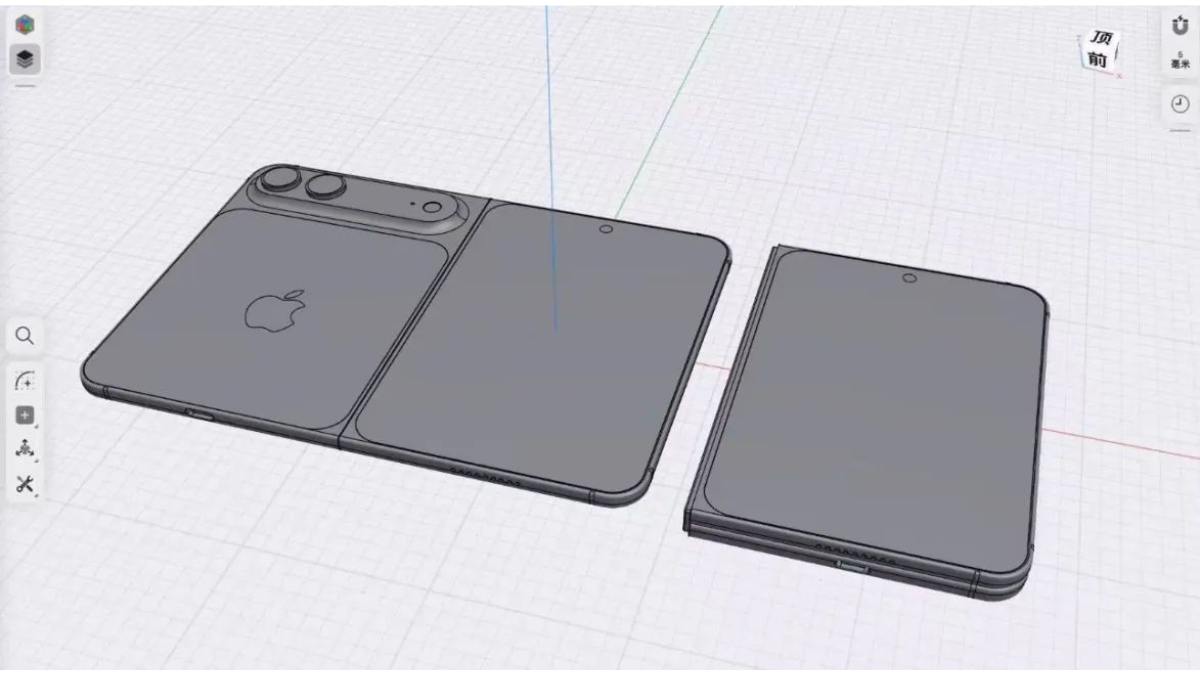




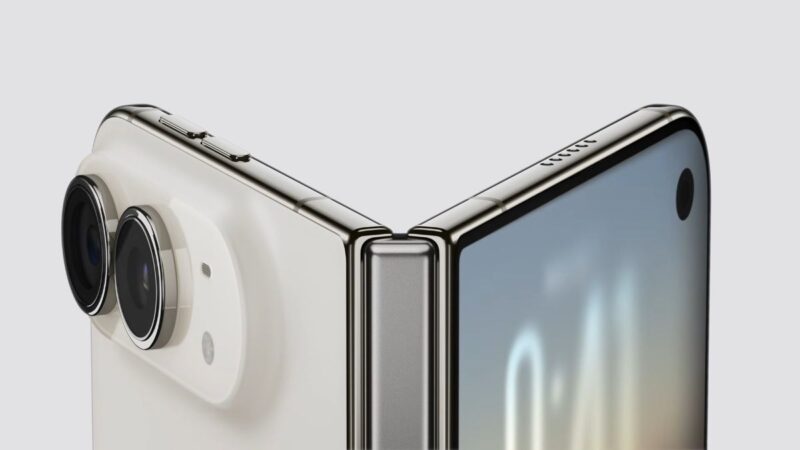
Apple has officially entered the foldable race with the Apple iPhone Duo, and it immediately resets the conversation.
Not because it is radically different on paper. But because it is Apple — and suddenly, every other foldable now has to justify itself against a device that prioritizes polish over specs.
So the question in 2026 is no longer “are foldables good yet?”
It’s “which one actually makes sense now?”
We compared the top book-style foldables you can buy today.
The contenders (2026 flagship foldables)
- Apple iPhone Duo — the new “default premium” foldable
- Samsung Galaxy Z Fold 8 — the balanced productivity king
- Samsung Galaxy Z Fold 8 Ultra — the spec-heavy flagship monster
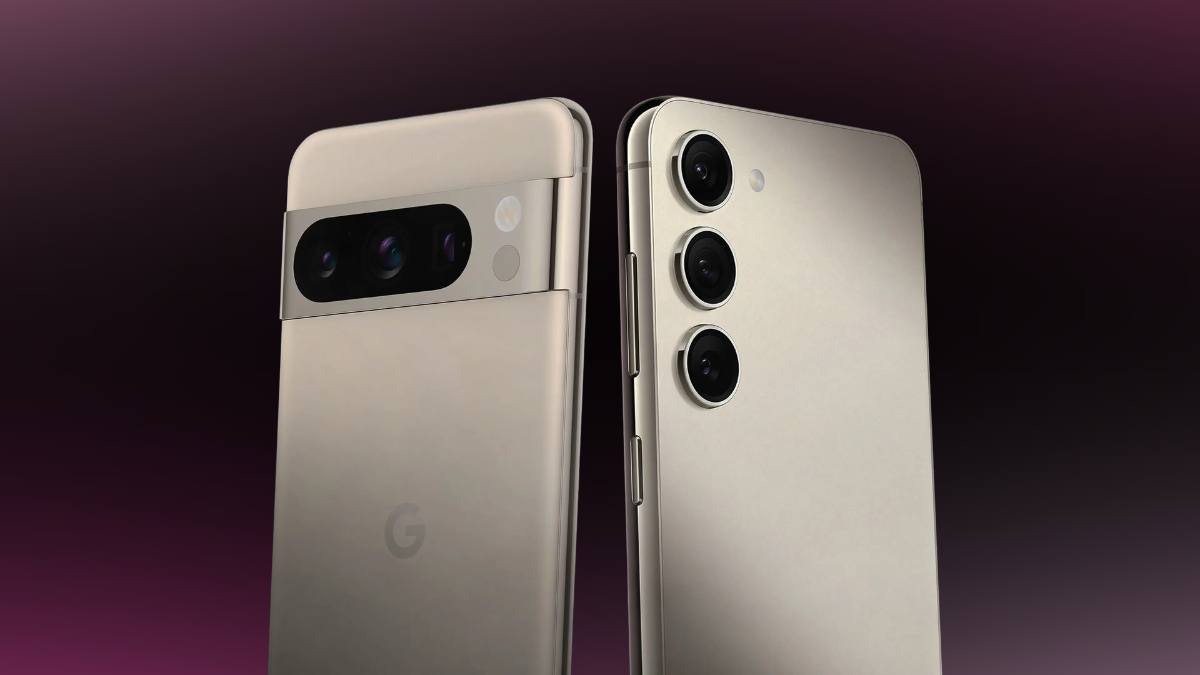
- Google Pixel 11 Pro Fold — the software-first big-screen foldable
- Honor Magic V6 — the battery endurance wildcard
The biggest shift: Apple didn’t win specs — it changed expectations
The iPhone Duo is not trying to beat Samsung or Google on hardware extremes.
Instead, it leans into:
- Seamless inner/outer display continuity
- Strong durability (titanium + IP68 in a foldable)
- iOS 27 multitasking built specifically for foldables
- A “this just works” approach to folding software
But it also makes clear compromises:
- No telephoto camera
- No Face ID
- Less aggressive battery specs than rivals
Apple is not chasing the “best foldable.”
It is chasing the “least annoying foldable.”
Head-to-head: what actually matters
1. Design & feel in hand
- Lightest: Galaxy Z Fold 8 (~201g)
- Thinnest: Z Fold 8 Ultra (~4.1 mm unfolded)
- Most durable: iPhone Duo + Pixel 11 Pro Fold (IP68 both)
- Most “tablet-like”: Pixel 11 Pro Fold (bigger 8-inch inner display)
Apple sits in the middle physically — not the thinnest, not the lightest, but the most “finished” feeling.
2. Displays (where foldables live or die)
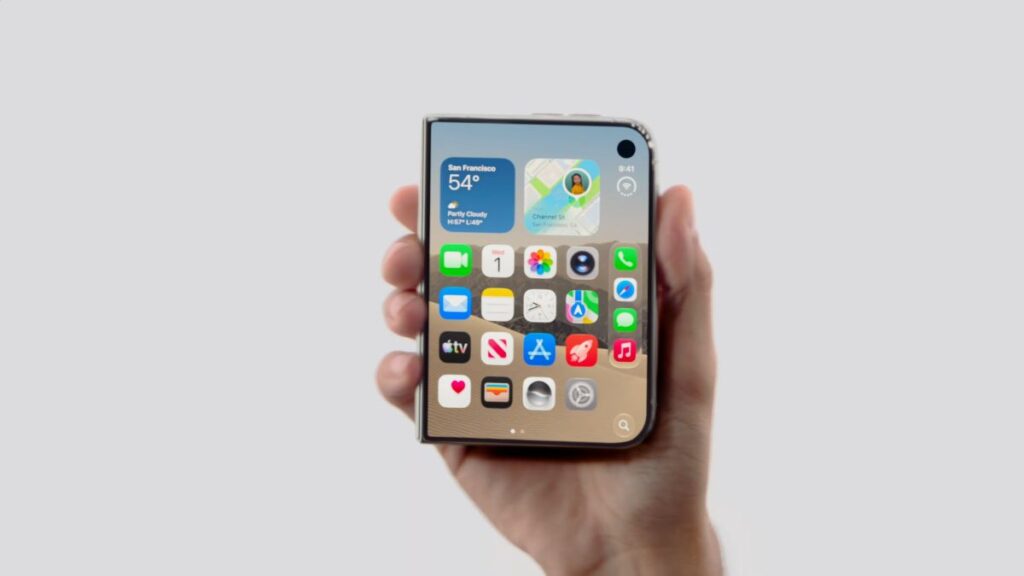
- iPhone Duo: 7.6″ inner, 5.4″ outer, up to 3000 nits
- Z Fold 8: 7.6″, optimized 4:3 multitasking ratio
- Z Fold 8 Ultra: 8.0″, biggest Samsung foldable screen yet
- Pixel 11 Pro Fold: 8.0″, brightest + most open canvas
Winner depends on use case:
- Media + apps → Pixel
- Productivity multitasking → Samsung
- Consistency + polish → Apple
3. Performance & software philosophy
- iPhone Duo: A20 Pro + iOS 27 (tight ecosystem control, longest software support feel)
- Z Fold 8 / Ultra: Snapdragon 8 Elite Gen 5 (raw Android power + multitasking depth)
- Pixel 11 Pro Fold: Tensor G6 (AI-first, simpler UX)
Translation:
- Apple = smooth + controlled
- Samsung = power user playground
- Google = intelligent but restrained
4. Cameras (Apple’s most controversial trade-off)
- iPhone Duo: Dual 48MP (no zoom lens)
- Z Fold 8: balanced dual system
- Z Fold 8 Ultra: 200MP + telephoto advantage
- Pixel 11 Pro Fold: strongest computational zoom + consistency
Clear takeaway:
Apple intentionally does not compete in zoom photography here.
5. Battery & endurance
- Best raw capacity: Z Fold 8 Ultra (~5000 mAh)
- Best efficiency feel: iPhone Duo (dual-cell optimization)
- Longest real-world stamina: Honor Magic V6 (battery-focused outlier)
The “which one should you buy?” breakdown
Choose the iPhone Duo if:
- You are in the Apple ecosystem
- You want the most refined foldable experience, not the most powerful
- You care about durability and software polish over specs
Choose Galaxy Z Fold 8 if:
- You want the best all-round foldable balance
- You multitask heavily
- You want lighter hardware and proven Android maturity
Choose Z Fold 8 Ultra if:
- You want maximum specs (camera, performance, thinness)
- You don’t care about price or simplicity
Choose Pixel 11 Pro Fold if:
- You want the biggest “tablet-like” foldable screen
- You prefer clean Android + Google AI features
The real story: foldables are no longer experimental
What changed in 2026 is not just Apple’s entry — it’s convergence.
Across all major devices:
- IP-rated foldables are now normal
- Creases are reduced to “you stop noticing it” level
- 120Hz is universal
- Multitasking is no longer a gimmick
So the real differences now are not technical.
They are emotional:
- Do you want control or simplicity?
- Power or polish?
- Flexibility or predictability?
Final takeaway
Apple didn’t “win” the foldable race with the iPhone Duo.
It did something more interesting.
It made every other foldable feel slightly more complicated than it needs to be.
And in a category built on innovation, the most powerful idea might now be restraint.