




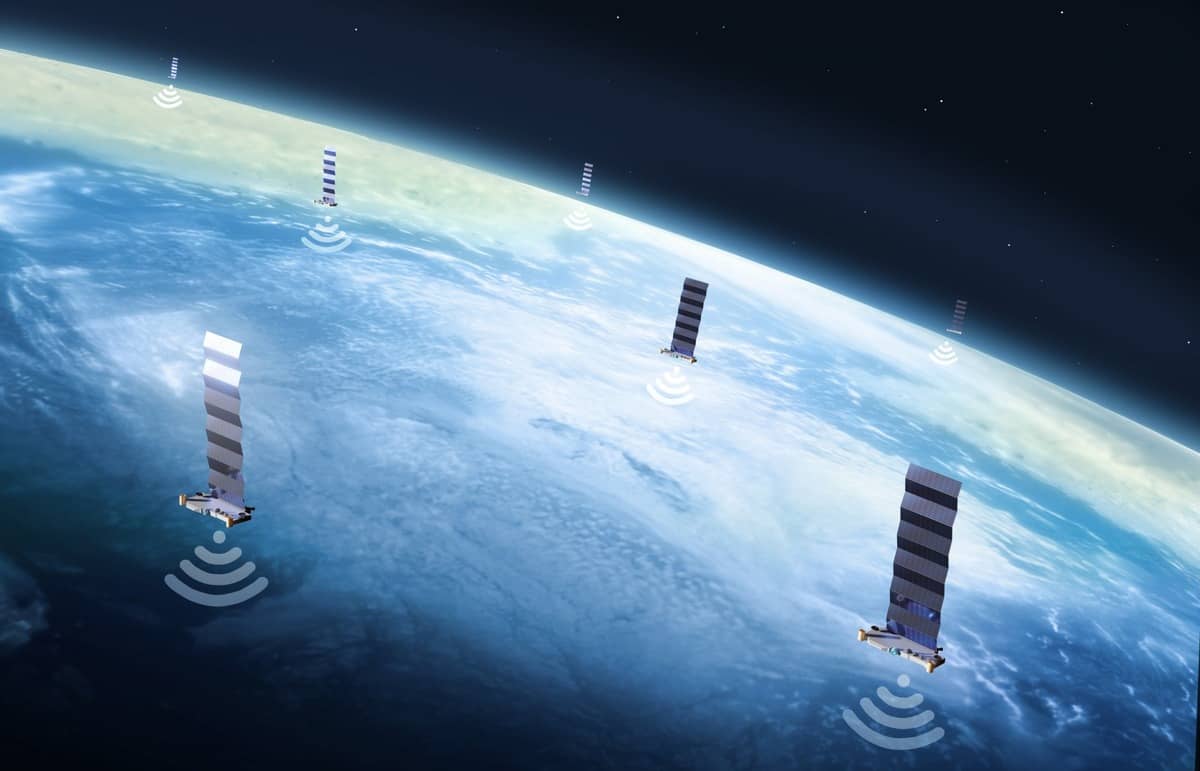
A recent NASA study has revealed that powerful solar storms are causing SpaceX’s Starlink satellites to fall back to Earth much faster than expected.
The Sun, currently in the peak of its 11-year activity cycle known as the solar maximum, is releasing intense solar flares and geomagnetic storms. These storms heat Earth’s upper atmosphere, making it expand.
As a result, Starlink satellites in low Earth orbit are facing increased atmospheric drag, which causes them to lose altitude more quickly.
NASA scientist Denny Oliveira explained that during strong solar storms, some satellites are re-entering Earth’s atmosphere in just five days, compared to the usual 15 days. Between 2020 and 2024, more than 523 Starlink satellites have already re-entered the atmosphere, marking a record-breaking pace.
This situation creates both challenges and benefits. The faster re-entry helps clean up space by removing inactive satellites, which reduces collision risks. But it also makes it harder for SpaceX to maintain a stable satellite network and raises concerns about debris surviving re-entry. In one case, a satellite fragment landed on a Canadian farm in 2024.
There are environmental worries as well. As satellites burn up, they release aluminum oxide into the atmosphere. Scientists say this could affect atmospheric chemistry and possibly the climate. The growing number of satellites also adds to the risk of collisions and may interfere with astronomy.
SpaceX has over 7,000 Starlink satellites in orbit and plans to launch tens of thousands more. As solar activity continues, space weather is becoming a serious factor in satellite design and operations. Experts say companies will need to consider the Sun’s behavior when planning future satellite missions.
The Sun’s increasing power is turning into a serious obstacle for the future of space-based internet—and for the future of safe, sustainable space operations.