




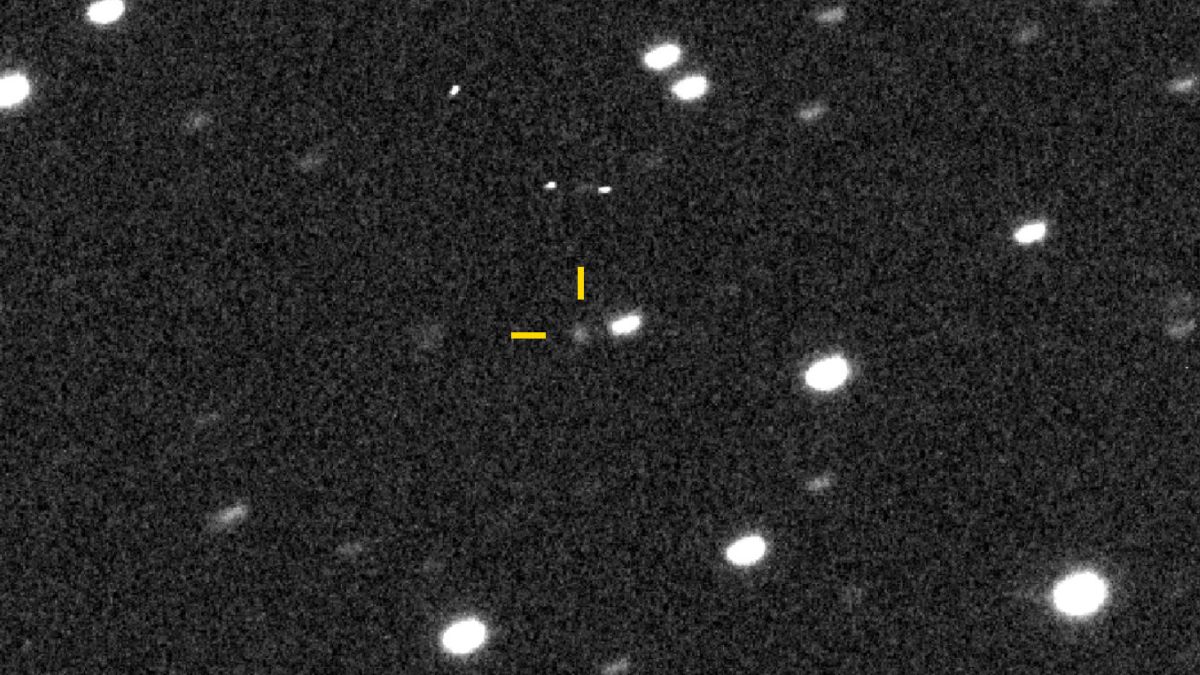
NASA is facing growing calls from scientists and the public to release full data on Comet 3I/ATLAS (C/2019 Y4), the third confirmed interstellar object to enter our solar system. The comet, discovered in 2019, showed unusual behavior, including unexpected acceleration and fragmentation. These traits have sparked debates about its origin and composition, similar to discussions surrounding the first interstellar object, ʻOumuamua.
Critics, including Harvard astrophysicist Avi Loeb, say NASA has withheld detailed data from telescopes such as Hubble, making independent verification difficult. Loeb and others suggest the comet’s non-gravitational acceleration—changes in its path not explained by gravity—might result from natural outgassing or, more controversially, artificial causes. Most scientists, however, favor natural explanations like hidden ice sublimation.
“Transparency in interstellar object data is crucial for scientific progress,” said one researcher. “Withholding raw observations hinders global collaboration and fuels unnecessary speculation.”
NASA has shared preliminary findings confirming the comet’s interstellar path and breakup in 2020. However, full spectroscopic and photometric datasets remain limited or partially redacted due to ongoing analysis and resource limits. Agency officials say all significant data has been posted to standard astronomical archives, but critics claim that key high-resolution images and time-series observations are still missing.
The current pressure echoes the controversy over ʻOumuamua from 2017–2020, when scientists pushed for full data release, leading to wider debates about possible extraterrestrial probes. Online petitions and social media campaigns have amplified recent calls for more transparency.
A NASA spokesperson said: “We are committed to open science and continue to make data available as analyses are completed. Interstellar objects are rare and valuable for understanding exosolar systems.”
No specific timeline has been given for additional data releases. Internal reviews are reportedly ongoing amid budget discussions for future interstellar monitoring programs.
The situation highlights the challenges of studying rare cosmic visitors, especially as public interest in potential extraterrestrial technology grows. Experts continue to stress that natural phenomena remain the most likely explanation for these unusual objects.