


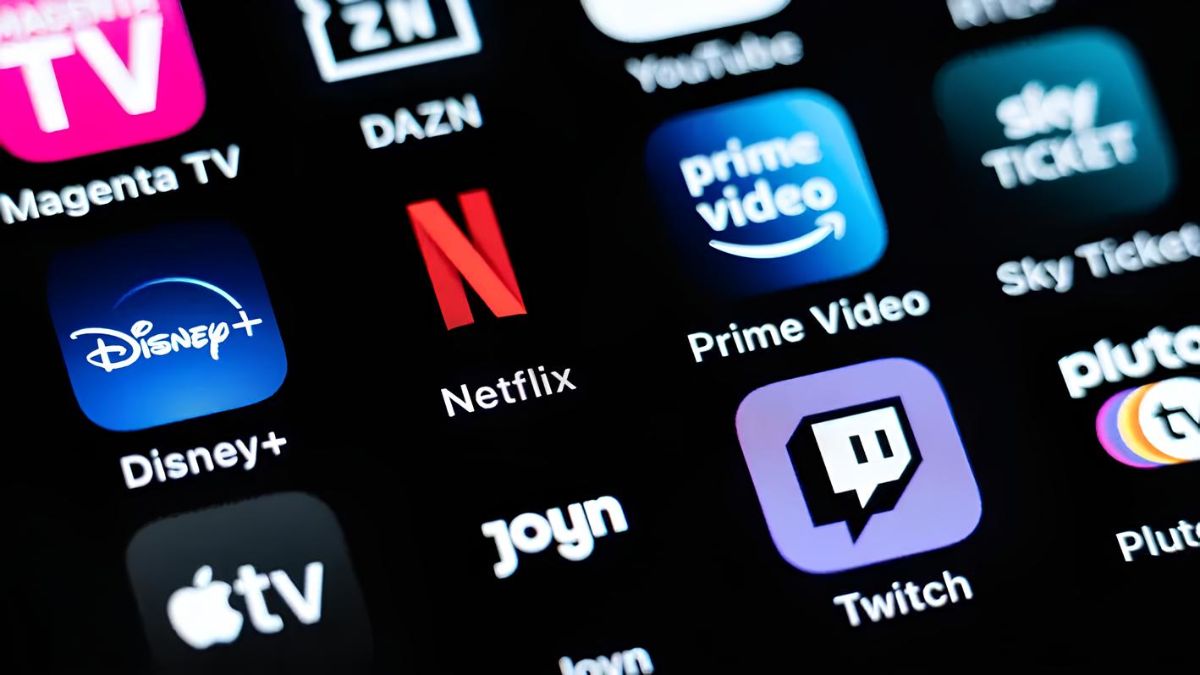
When you open a streaming app and see thousands of movies and TV shows, it may seem like everything is always available. In reality, what you see is constantly changing.
Streaming platforms like Netflix, Amazon Prime Video, and Disney+ do not permanently own most of the content they offer. Instead, they license it for a limited time under specific conditions.
Understanding how this licensing works helps explain why content appears, disappears, or is only available in certain regions.
What Is Content Licensing?
Content licensing is an agreement between a streaming platform and a content owner.
The content owner could be:
- A film studio
- A television network
- An independent distributor
- A production company
The streaming platform pays for the right to stream specific content, usually for a fixed period.
This means:
- The platform does not own the content
- The agreement eventually expires
- The content can move to another platform
How Licensing Deals Work
Licensing agreements are based on several key factors.
1. Time Period
Most licenses are temporary.
A platform might secure a movie for:
- 6 months
- 1 year
- Several years
When the contract ends, the platform must either renew it or remove the content.
2. Geographic Rights
Licenses are often restricted by region.
For example:
- A show may be available in the United States but not in Bangladesh
- Another platform may hold rights in a different country
This is why streaming libraries differ across regions.
3. Exclusivity
Some deals are exclusive, while others are not.
- Exclusive license → Only one platform can stream the content
- Non-exclusive license → Multiple platforms can offer it
Exclusive deals are usually more expensive but help platforms attract subscribers.
4. Type of Content Rights
Streaming services negotiate different types of rights:
- SVOD (Subscription Video on Demand) → Included in subscription
- TVOD (Transactional Video on Demand) → Rent or buy individually
- AVOD (Ad-supported Video on Demand) → Free with ads
A single movie may appear in different formats on different platforms depending on the agreement.
Why Movies and Shows Get Removed
Licensing explains why content does not stay forever.
A movie or show may be removed because:
- The licensing agreement expired
- Another platform secured exclusive rights
- The platform decided not to renew due to cost
- The content owner launched their own streaming service
For example, when studios create their own platforms, they often pull content from competitors to host it themselves.
What Are “Originals”?
Streaming platforms also invest in original content.
Examples include:
- Netflix Originals
- Amazon Originals
- Disney+ Originals
These are usually:
- Fully produced by the platform, or
- Exclusively licensed long-term
This gives platforms more control, as originals are less likely to disappear.
How Licensing Affects You as a Viewer
Licensing directly impacts your streaming experience.
1. Changing Libraries
Content rotates regularly. A movie available today may be gone next month.
2. Regional Differences
You may see different content compared to users in other countries due to geographic licensing.
3. Platform Fragmentation
Because different platforms hold different rights:
- Some shows are only on one service
- You may need multiple subscriptions to access everything
How Platforms Decide What to License
Streaming services analyze data before acquiring content.
They consider:
- Viewer demand
- Genre popularity
- Regional preferences
- Cost of licensing
For example:
- A popular TV series may justify a high licensing fee
- Niche content may only be licensed in specific regions
Common Misunderstandings
“Streaming platforms own everything they show”
Most content is licensed, not owned.
“Removed content is gone forever”
Often, it simply moves to another platform.
“All countries get the same content”
Licensing is region-specific, so availability varies.
The Role of Competition
Streaming services compete for licensing rights.
This leads to:
- Exclusive deals
- Rising content costs
- More original productions
As competition increases, platforms rely less on shared libraries and more on exclusive content.
The Bottom Line
Streaming platforms do not operate like permanent libraries. They are built on temporary licensing agreements that control what content is available, where, and for how long.
Understanding this system explains:
- Why movies and shows disappear
- Why content differs by country
- Why platforms invest heavily in originals
For viewers, it means one thing: streaming libraries will always change.