


Yes, you can upload AI-generated or AI-assisted music to Spotify if it follows Spotify’s rules, your distributor’s rules, and copyright law.
Spotify does not ban music simply because AI was used. Spotify says it supports artists using AI creatively, but it actively targets misuse such as unauthorized voice cloning, impersonation, spam uploads, deceptive metadata, and artificial streaming.
Quick Answer
| Question | Answer |
|---|---|
| Can AI music be uploaded to Spotify? | Yes, if it follows platform and distributor rules. |
| Can I upload directly to Spotify? | Usually no. You need a distributor. |
| Can I clone a famous artist’s voice? | No, unless you have permission. |
| Can AI music earn royalties? | Yes, if eligible and properly distributed. |
| Do I need to disclose AI use? | AI credits are currently optional and depend on distributor support. |
| Can fake streams help AI music earn more? | No. Artificial streaming can lead to penalties. |
Step 1: Use a Distributor
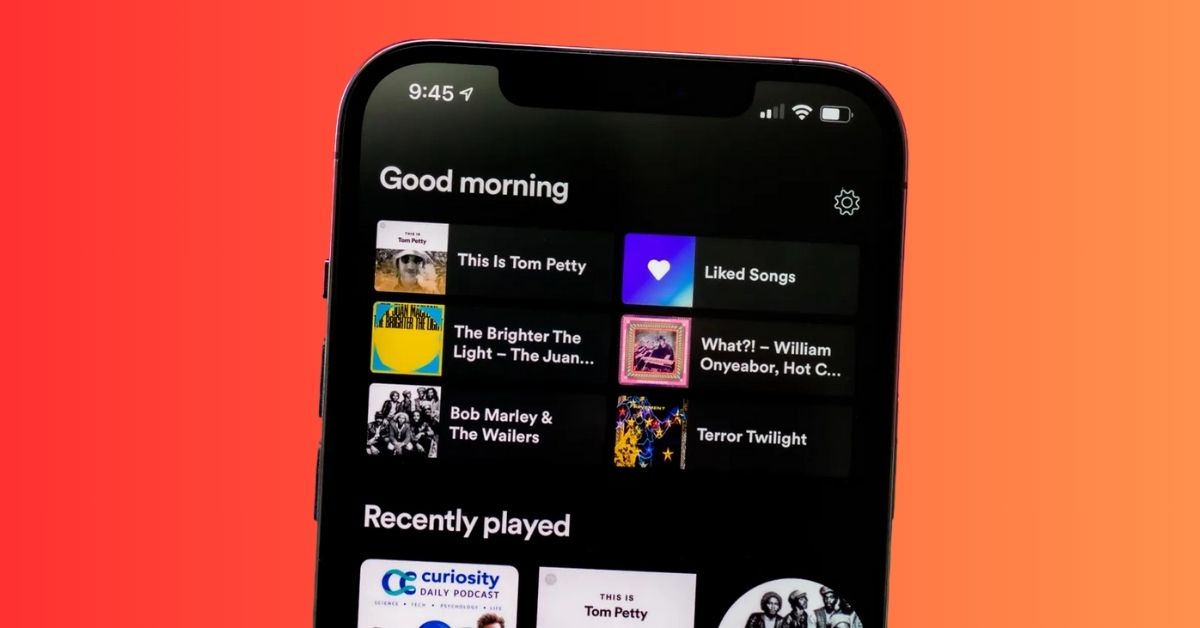
Independent artists usually do not upload directly to Spotify. Spotify says music gets uploaded through a distributor, and distributors handle delivery, licensing, and royalty payments.
Common distributor examples include:
- DistroKid
- TuneCore
- CD Baby
- LANDR
- Amuse
- RouteNote
Before uploading AI music, check your distributor’s AI content policy. Some distributors may require disclosure, reject spam-like releases, or remove content that violates rights.
Step 2: Make Sure You Have the Rights
Only upload AI music if you have the legal right to use it.
Check:
- The AI music tool’s license
- Whether your plan allows commercial use
- Whether the lyrics are original
- Whether any samples are cleared
- Whether any voice model was authorized
- Whether the artwork is licensed
- Whether the distributor accepts AI-generated music
Do not upload music using copyrighted lyrics, uncleared samples, or a cloned voice you do not have permission to use.
Step 3: Avoid Artist Impersonation
Spotify’s rule is clear: it will remove music that impersonates another artist’s voice without permission, whether the voice was cloned using AI or created another way.
This applies even if:
- You do not name the artist in the title
- You call it an “AI version”
- You avoid mentioning the artist in metadata
- The voice is still clearly recognizable as that artist
Safer Prompt
Create an original soulful male vocal with a warm tone and emotional delivery.Risky Prompt
Make this sound exactly like [famous artist].Step 4: Use Honest Metadata
Your release metadata should accurately describe the song.
Avoid:
- Using another artist’s name
- Uploading to the wrong artist profile
- Misleading credits
- Fake collaborations
- Confusing artist names
- Titles designed to capture searches for famous songs
Spotify has said AI has made fraudulent uploads to another artist’s profile easier, and it is investing in stronger content mismatch and impersonation protections.
Step 5: Understand AI Credits
Spotify now has AI Credits in beta. These can show whether AI contributed to parts of a song, such as:
- Lyrics
- Vocals
- Instrumentals
- Production
Spotify says AI credits are optional, available only through some distributors during beta, and currently appear in song credits on mobile rather than as track-level labels. The absence of AI credits does not prove that AI was not used.
If your distributor offers AI disclosure, use it honestly.
Step 6: Know How Royalties Work
AI music can earn Spotify royalties if it is properly distributed and eligible.
However, Spotify does not pay every track automatically forever. Since April 2024, tracks must reach at least 1,000 streams in the previous 12 months to be included in Spotify’s recorded music royalty pool calculation. Spotify also requires a minimum number of unique listeners, but it does not publish that number to prevent manipulation.
Important:
- AI music is not excluded just because it uses AI.
- Royalties depend on eligibility and legitimate listening.
- Your distributor pays you according to its terms.
- Publishing royalties may require separate songwriter registration.
Step 7: Do Not Buy Fake Streams
Do not pay for fake streams, bots, guaranteed playlist placement, or artificial listener growth.
Spotify defines artificial streams as streams that do not reflect genuine listening intent, including manipulation through bots or scripts. Spotify says artificial streams do not earn royalties, do not count toward public stream numbers or charts, and do not help recommendation algorithms. Severe cases can lead to playlist removal, distributor penalties, account suspension, or track removal.
Safe promotion means reaching real listeners.
Upload Checklist for AI Music
Before uploading AI music to Spotify, check:
| Check | Why It Matters |
|---|---|
| AI tool license | Confirms commercial-use rights |
| Distributor policy | Some distributors have AI rules |
| Original lyrics | Avoids copyright problems |
| Authorized vocals | Prevents voice-clone violations |
| Accurate metadata | Avoids impersonation or mismatch issues |
| Clean artwork | Avoids copyright or trademark issues |
| AI disclosure option | Adds transparency where available |
| No fake promotion | Protects royalties and account status |
| Track quality | Reduces spam-like release risk |
Common Mistakes to Avoid
| Mistake | Why It Hurts |
|---|---|
| Assuming all AI music is allowed | It still must follow rules |
| Uploading cloned celebrity vocals | Spotify may remove it |
| Using copyrighted lyrics | Can trigger copyright claims |
| Mislabeling artist credits | Can cause takedowns or profile issues |
| Mass-uploading low-quality tracks | May be treated as spam |
| Buying fake streams | Royalties may be withheld |
| Ignoring distributor terms | Your release may be rejected or removed |
FAQ
Does Spotify allow AI-generated music?
Yes. Spotify does not ban music just because AI was used, but it does prohibit misuse such as unauthorized voice impersonation, deceptive content, spam, and artificial streaming.
Can I upload AI music directly to Spotify?
Usually no. Spotify says artists should work with a distributor to get music on Spotify.
Can AI music earn Spotify royalties?
Yes, if the track is properly distributed and eligible. Spotify requires tracks to reach at least 1,000 streams in the previous 12 months to be included in the recorded music royalty pool calculation.
Do I have to label my song as AI-generated?
Spotify’s AI Credits are currently optional and depend on whether your distributor supports them. They can show AI use in lyrics, vocals, instrumentals, or production.
Can I use an AI voice that sounds like a famous artist?
Not without permission. Spotify says it will remove music that impersonates another artist’s voice without authorization.
Final Takeaway
You can upload AI music to Spotify, but it must be legal, properly licensed, accurately credited, and promoted honestly.
Use original lyrics, avoid unauthorized voice cloning, follow your distributor’s AI rules, disclose AI use when available, and never buy fake streams. AI music can be part of a legitimate release strategy, but the responsibility for rights, metadata, and promotion still belongs to the creator.