


Close Menu
    Facebook X (Twitter) Instagram
    Facebook X (Twitter) Instagram Pinterest
    NoMusica.com
    • AI
    • Tech
      • Electronics & Gadgets
      • Apps & Updates
      • Smartphones
    • Films & Shows
    • Music
    • Gaming
    • Streaming
    • Music Production
    NoMusica.com
    Home Tidal Waves Goodbye to MQA and Sony’s 360 Reality Audio
    Tech & Science

    Tidal Waves Goodbye to MQA and Sony’s 360 Reality Audio

    Updated:August 18, 20242 Mins Read
    Share Facebook Twitter Pinterest Telegram WhatsApp Copy Link

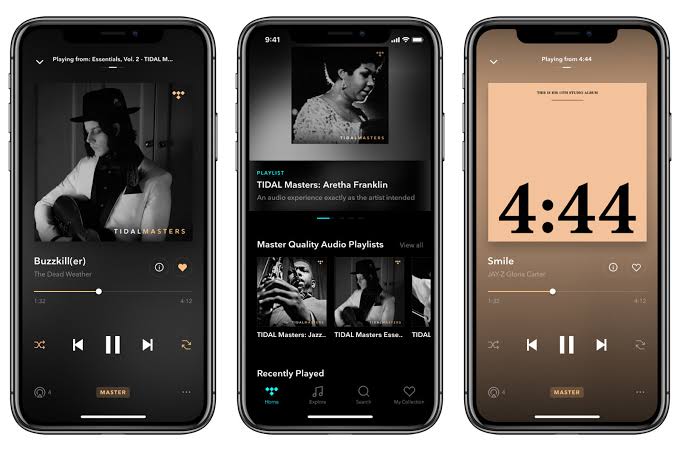
    Tidal has announced it will be removing all remaining tracks encoded with the controversial MQA (Master Quality Authenticated) format from its catalog on July 24th, 2024. Any MQA tracks in users’ libraries or playlists will be automatically replaced with the highest quality lossless FLAC (Free Lossless Audio Codec) version available to Tidal.

    This move comes nearly a year after Tidal declared the open-source FLAC as its “preferred” format for high-resolution audio, effectively demoting MQA from its previous position. Tidal has been gradually phasing out the proprietary MQA format over the past year.

    While Tidal says it has at least CD-quality (16-bit/44.1kHz) FLAC versions for “nearly all” of its current MQA tracks, some tracks may temporarily be replaced with lower-quality FLAC files until higher resolution versions become available.

    In addition to dropping MQA, Tidal will also discontinue support for Sony’s 360 Reality Audio format for spatial audio on the same day. Going forward, Dolby Atmos will be the only spatial audio format supported by the streaming service.

    The removal of MQA and 360 Reality Audio marks the end of an era for Tidal, which had previously embraced these proprietary formats alongside open standards like FLAC and Dolby Atmos. While MQA has been praised for its ability to deliver high-resolution audio in smaller file sizes, it has also faced criticism for being a lossy (rather than lossless) codec and requiring royalty payments.

    With this move, Tidal solidifies its commitment to open-source, lossless audio codecs like FLAC, which offer bit-perfect playback without the need for proprietary encoding or decoding technologies.


    Tidal
    Share. Facebook Twitter Pinterest Telegram WhatsApp Copy Link
    Sazid Kabir
    • Website
    • X (Twitter)
    • Pinterest
    • Instagram
    • LinkedIn

    Founder & Chief Editor, NoMusica.com. Sazid Kabir is a tech writer and music producer covering music, tech, and music production with both analytical and practical experience.

    Related Posts

    10 Free AI Courses With Certificates for High-Income Skills in 2026

    7 Best Knowledge Base Tools for Learning in 2026 (Ranked)

    Best Open-Source Softwares in 2026: Safe, Free Tools for Creators, Developers, and Everyday Use

    5 Best Free Audio Editing Software in 2026: For Podcasts & Music

    Spotify vs. Apple Music vs. Tidal: Which Pays Artists More in 2026?

    15 AI Tools Musicians Can Use to Create and Promote Music

    Add A Comment

    Comments are closed.

    Latest Posts

    Travis Scott Drops Cactus Jack Nike Phantom 6 For 2026 World Cup

    June 7, 2026

    Netflix Corruption: Michael Jackson Film is False & Slander, Here’s the Documented Facts

    June 7, 2026

    Cassie Ventura Fled U.S. with Diddy’s $30M,  Her Innocence Now in Question

    June 5, 2026

    50 Cent Says Daphne Joy’s OnlyFans Up 85% After Diddy Tape, Hints Model Leaked Her Own Tape

    June 5, 2026

    NEW HIPHOP THIS FRIDAY (JUNE 5, 2026)

    June 5, 2026
    Facebook X (Twitter) Instagram Pinterest
    © 2026 A WowPress Initiative

    Type above and press Enter to search. Press Esc to cancel.