



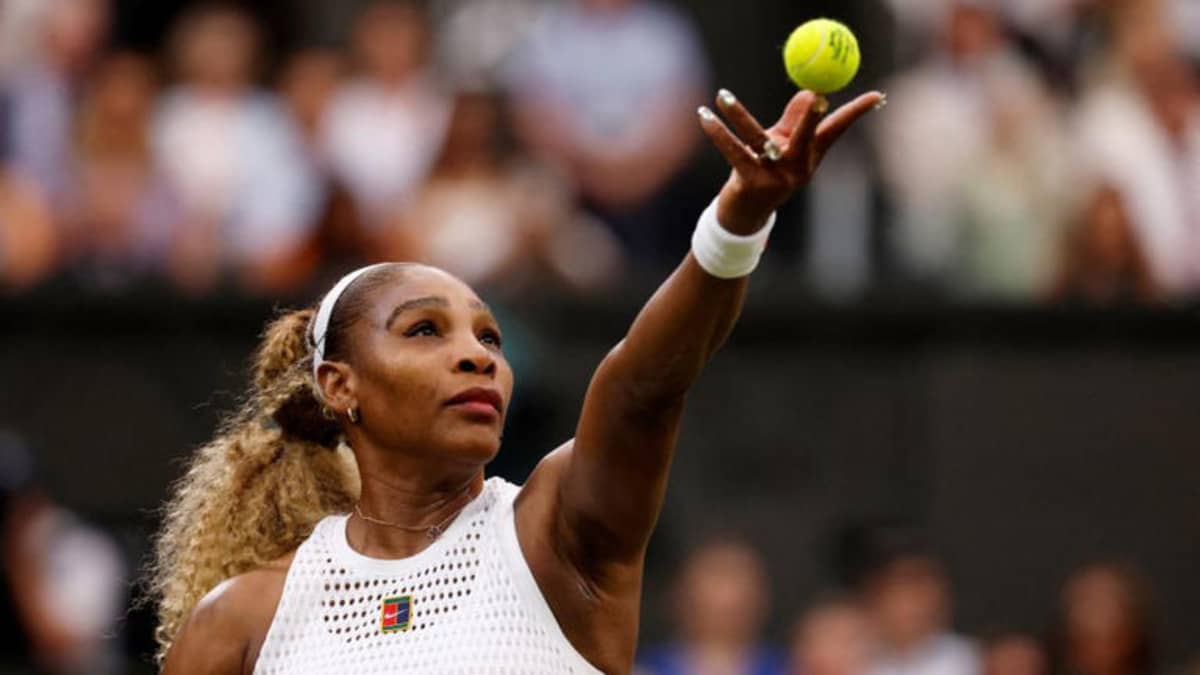
Serena Williams is back on the tennis court — but her comeback is about more than just competition.
The 23-time Grand Slam champion returned to competitive action in June 2026 at Queen’s Club, marking her first match in nearly four years. At 44, Serena showed the power, movement, and confidence that made her one of the greatest players in tennis history.
However, behind her return was a major focus on health and recovery. Serena revealed that GLP-1 peptide treatments, including medications such as tirzepatide, played a role in helping her improve her physical condition after years of intense competition, pregnancy, and lifestyle changes.
Serena’s Health Transformation After Tennis
After stepping away from tennis following the 2022 US Open, Serena focused on raising her family, building businesses, and taking care of her health.
But the years of professional tennis had taken a physical toll. Like many athletes after retirement, she dealt with changes in weight, joint discomfort, and the challenges of maintaining the same level of fitness outside a competitive schedule.
Serena said traditional workouts and a healthy diet were still part of her routine, but she needed additional support to reach her health goals.
Using GLP-1 treatments, she lost around 34 pounds over a year. She also reported improvements in cholesterol levels, blood sugar control, and overall energy.
“I feel lighter, not just in my body, but in my mind,” Serena said.
GLP-1 Peptides Became Part of Her Wellness Routine
Serena explained that the treatment was not a replacement for discipline or training.
Instead, she described it as a tool that helped support the habits she was already following — including exercise and healthier eating choices.
According to Serena, the biggest difference was feeling more comfortable during training and having more freedom in movement. The reduction in weight also helped ease pressure on her joints, allowing her to prepare for competition more effectively.
“I wish I had this tool earlier in my career,” she said.
Her Return Sparked Debate in Sports
While many fans celebrated Serena’s comeback, her use of GLP-1 medication also created discussion around the role of modern medicine in professional sports.
Some questioned whether these treatments could influence athletic performance. Anti-doping organizations, including the World Anti-Doping Agency, continue to monitor substances like GLP-1 medications, although they are currently not banned.
Serena has pushed back against the idea that the treatment gave her an unfair advantage, saying her goal was improving her health and quality of life rather than finding a shortcut.
A Possible New Direction for Sports Medicine
Serena’s experience highlights a wider change happening in sports medicine.
For decades, athletes have relied on strict diets, intense training programs, and various performance-related treatments to maintain their careers. Some of those approaches can create additional health challenges over time.
GLP-1 medications and similar medical advances are creating a new conversation around athlete wellness — focusing not only on performance, but also on long-term health.
The goal is to help athletes maintain healthier body composition, reduce physical stress, and recover more effectively without depending on methods that may carry serious secondary effects.
The Future of Athlete Health
If properly studied and regulated, these innovations could change how athletes approach longevity.
Future generations may have access to better tools that allow them to compete at a high level while protecting their health for life after sports.
Serena Williams’ return represents more than another chapter in her legendary career. It reflects a growing shift in how science, medicine, and athletics are coming together.
The future of sports may not only be about how far athletes can push their bodies — but how well they can take care of them while doing it.