

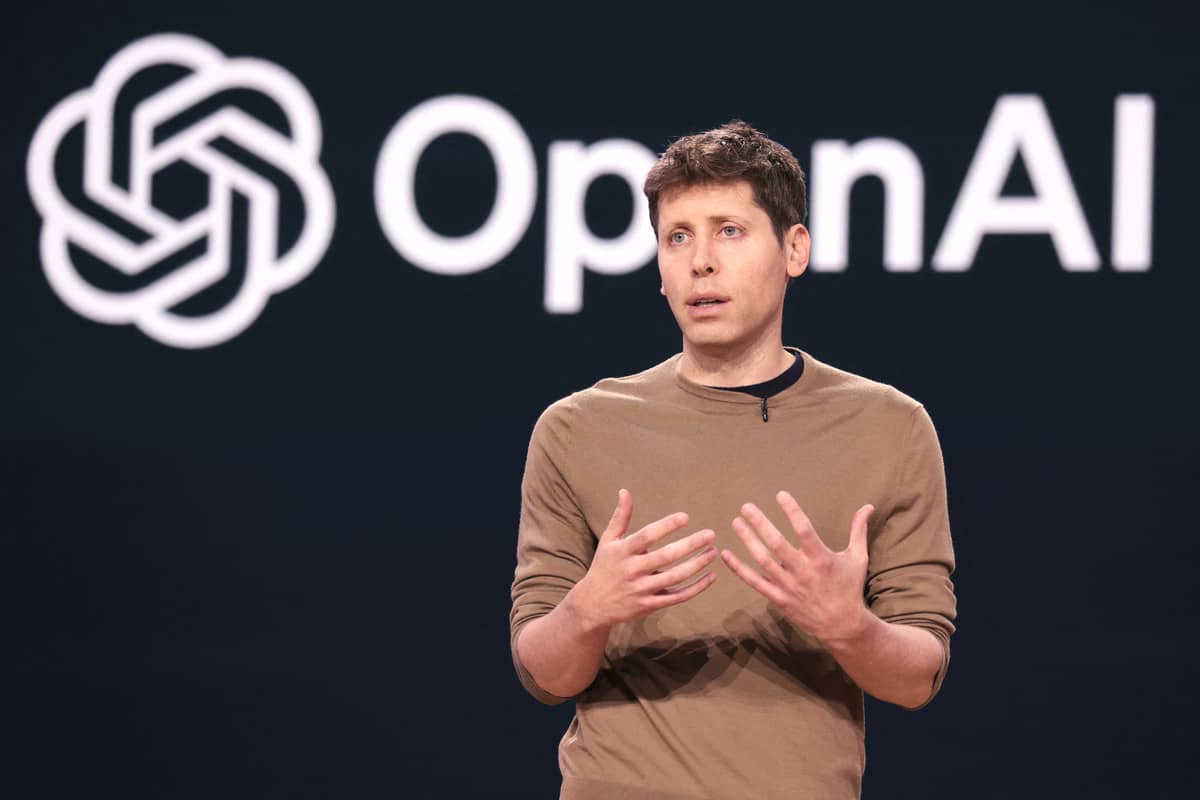
OpenAI CEO Sam Altman recently shared insights into how different age demographics use ChatGPT, revealing that age plays a significant role in how people interact with AI. Speaking at Sequoia Capital’s AI Ascent event, Altman discussed the contrasting ways in which different generations approach the tool.
According to Altman, older individuals tend to use ChatGPT as a Google replacement, relying on the AI to search for information. In contrast, people in their 20s and 30s are more likely to treat ChatGPT as a life advisor, using it to help navigate personal decisions.
Altman even stated that college students often use ChatGPT as an “operating system” to organize their academic and personal lives, leveraging the tool for everything from managing tasks to making major life choices.
Altman went on to explain that younger users interact with ChatGPT in more complex ways, frequently using multi-step prompts and connecting the tool to various files and resources. This allows them to access personalized insights and advice, creating a highly integrated experience.
One of the more striking observations Altman made was that many users—especially younger individuals—now ask ChatGPT for guidance on major life decisions. With its ability to retain context from past conversations, the AI can offer advice based on the user’s preferences, history, and past interactions. This reliance on ChatGPT as a trusted advisor in life decisions is becoming a notable trend.
While some may find it unsettling that people are turning to an AI for personal guidance, there are benefits to this. For smaller decisions, ChatGPT can serve as a helpful starting point for research or motivation.
For example, users might rely on it to choose the next fitness program or offer advice on hobbies, since the AI remembers past interactions and can offer tailored suggestions.
However, Altman’s comments raise important questions about the growing reliance on AI for major life choices. While the convenience of AI is undeniable, it’s also crucial to consider the implications of allowing an AI to play such a central role in personal decision-making.
Is AI becoming too integrated into our daily lives, especially for younger generations? It’s a trend that warrants further reflection as AI continues to evolve and shape how we navigate the world.







 Follow on Google News





Leave a comment