
The global video streaming industry has grown into one of the largest digital markets, with an estimated value ranging between $674 billion and $941 billion in 2026.
However, unlike music streaming, there is no single universal metric for market share. Instead, the landscape is best understood through a combination of subscriber share, platform reach, and total users.
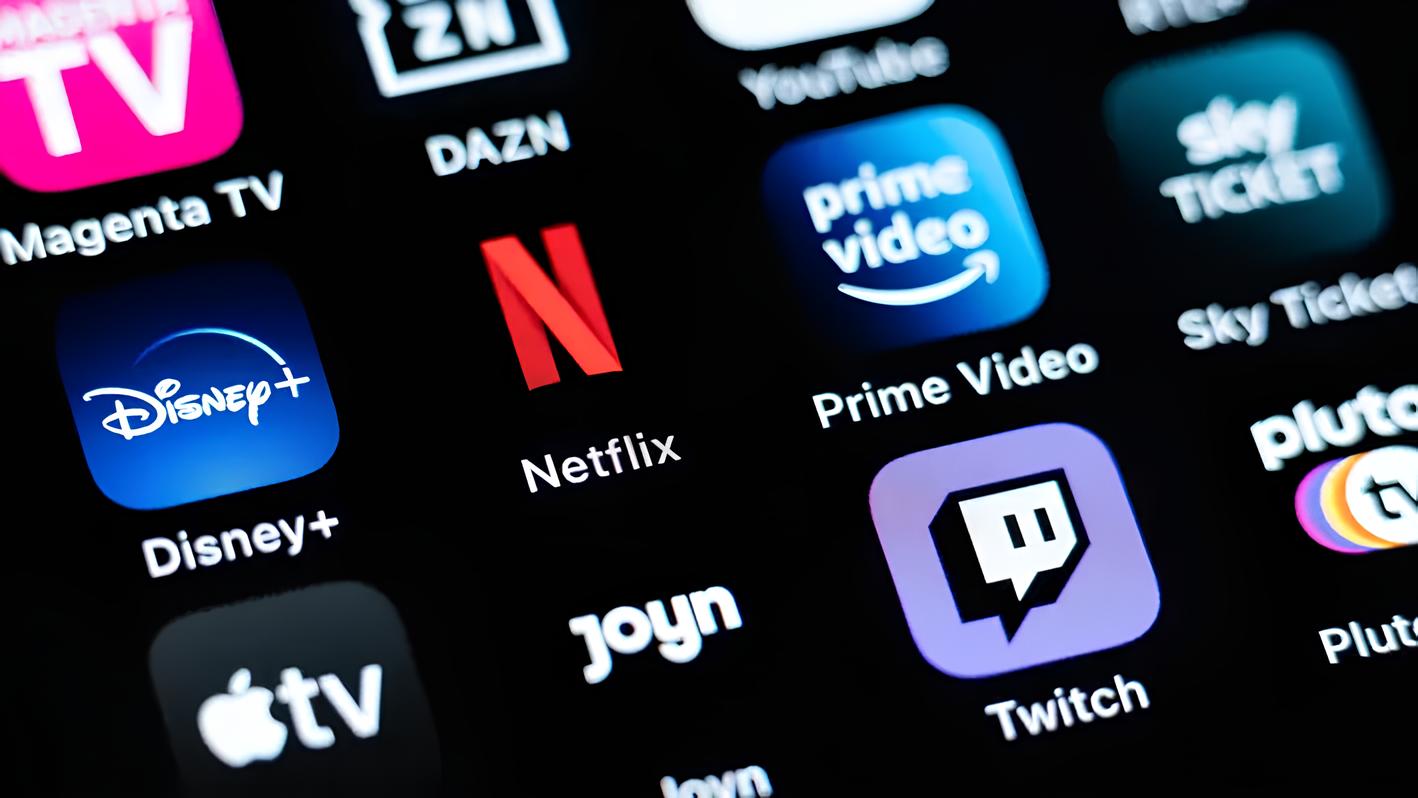
Despite this complexity, a clear group of dominant platforms has emerged, led by Netflix, YouTube, and Amazon Prime Video.
Market Share Leaders
Netflix remains the leading subscription video-on-demand (SVOD) platform globally. Depending on the metric used, it holds roughly 16% to 34% of the market and has surpassed 300 million subscribers worldwide, making it the most subscribed streaming service.
YouTube operates on a different scale. With over 2.4 billion users, it is the most widely used video platform globally. While its paid market share is smaller, its dominance in total viewership makes it the largest streaming platform overall.
Amazon Prime Video is another major player, holding an estimated 8% to 13% market share and reaching around 200 million users, largely through its bundled Prime membership model.
The Second Tier
A group of major competitors follows closely behind:
- Disney+ — 4% to 14% market share, over 130 million subscribers
- HBO Max / Max — around 8% market share, over 130 million users
- Hulu — 6% to 11% market share, about 60+ million users
- Paramount+ — around 5% market share, nearly 80 million subscribers
- Apple TV+ — estimated 8–9% share, with a growing user base
These platforms form the core of the global subscription streaming ecosystem, particularly in North America and Europe.
China and Regional Giants
The global market is not entirely dominated by Western platforms. China and regional markets have their own leaders:
- Tencent Video — over 100 million subscribers and hundreds of millions of users
- iQIYI — around 100 million subscribers
- Youku — large user base across China
In India and emerging markets, Disney+ Hotstar stands out with tens of millions of subscribers and a massive overall user base.
Market Concentration
Industry estimates suggest that the top five streaming platforms control over 70% of the global market, highlighting a high level of concentration. Netflix, Amazon Prime Video, and Disney+ consistently rank among the most influential services in terms of paid subscriptions.
Key Trends Shaping Market Share
Several major trends are influencing how market share evolves:
- Ad-supported tiers are expanding rapidly, with platforms like Netflix and Disney+ offering cheaper plans
- Bundling strategies (especially from Amazon and Apple) are driving user growth
- Asia-Pacific markets are the fastest growing, fueled by China and India
- Cost sensitivity is increasing, with many users subscribing to multiple services but seeking lower prices
What Market Share Really Means
In video streaming, market share depends heavily on how it is measured. Subscription-based platforms like Netflix dominate revenue and paid share, while platforms like YouTube dominate total audience and engagement.
This creates a dual structure:
- Netflix leads in paid subscriptions
- YouTube leads in global reach
- Amazon and Disney+ compete through ecosystem and content strategy
The global video streaming market in 2026 is both massive and fragmented. While Netflix remains the leader in subscriptions, YouTube dominates overall usage, and a strong group of competitors continues to compete for market share.
As the industry grows, competition will increasingly depend on pricing, content, and global expansion—ensuring that the streaming wars are far from over.