
The International Atomic Energy Agency says it is desperately trying to contact Iran’s nuclear regulators—and getting complete silence.
IAEA chief Rafael Grossi told an emergency board meeting Monday that efforts to reach Iranian authorities through the agency’s Incident and Emergency Centre have drawn “no response so far.”
The communication blackout comes as US and Israeli strikes pound Iran and Tehran fires back with hundreds of missiles. The UN watchdog is flying blind, unable to verify if nuclear sites have been damaged or if radioactive material is secure.
“We hope this indispensable channel of communication can be re-established as soon as possible,” Grossi said. The agency admitted it has “no indication” that facilities like the Bushehr power plant or Natanz enrichment site were hit—but without Iranian cooperation, it cannot be sure.
The silence is deeply worrying. Iran has blocked IAEA inspectors from key sites since June 2025 strikes, breaking the “continuity of knowledge” over its uranium stockpiles. The country holds 440kg of uranium enriched to 60%—just a technical step from weapons grade.
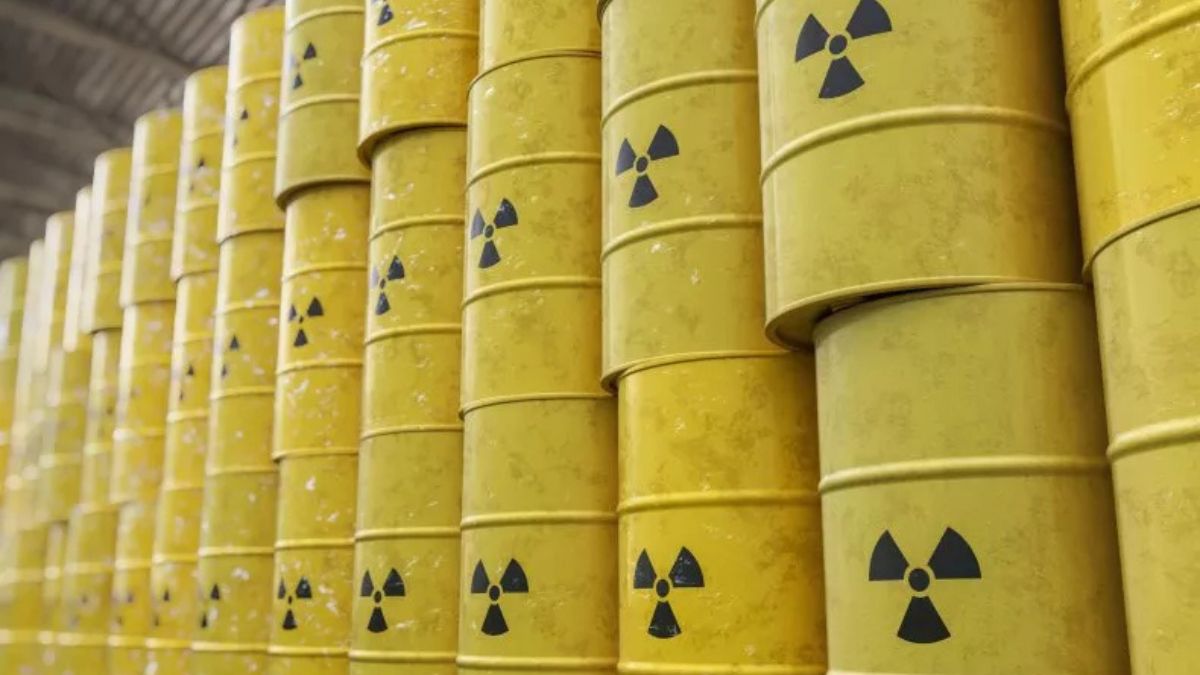
Grossi warned the situation is “very concerning.” A radiological release could force evacuations “as large or larger than major cities,” he said.
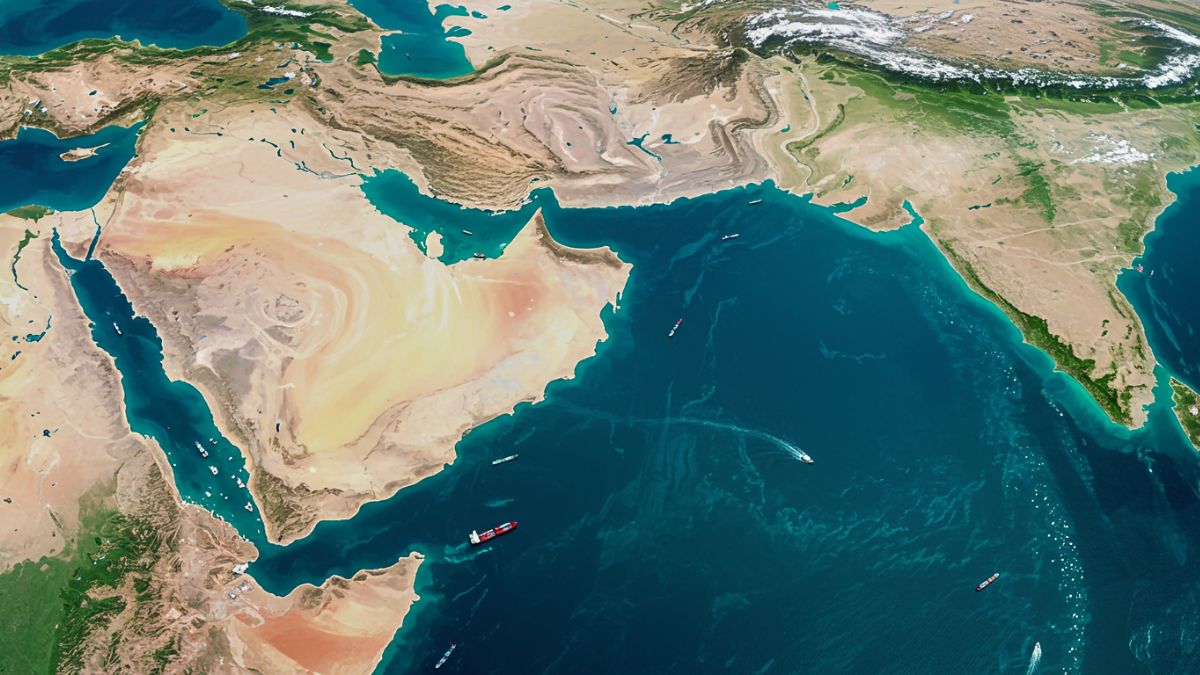
The IAEA’s emergency network has detected no radiation spikes in neighbouring countries so far. But with Gulf states like the UAE running four nuclear reactors and Iranian missiles flying everywhere, the risk is real.
Iran has repeatedly slammed the IAEA as “impotent” for failing to condemn Israeli and American attacks on its nuclear facilities. Now, with its leadership decapitated and its military under fire, Tehran appears to have stopped talking entirely.
The agency urged “utmost restraint” from all sides. But in a war where nuclear facilities are legitimate targets and the regulators won’t pick up the phone, restraint looks like a distant hope.