
Apple’s iPhone 18 Pro is shaping up to be the company’s most ambitious smartphone in years, according to new leaks. Rumors point to under-display Face ID, a 2nm A20 Pro chip, and an in-house C2 modem with 5G satellite support. Yet some fans say these yearly updates are starting to feel less exciting.
The display is expected to be a major change. Apple may move TrueDepth sensors beneath the screen, shrinking the Dynamic Island to a small punch-hole. Some leaks even suggest the selfie camera could shift to the top-left corner, creating more screen space and breaking Apple’s long-held symmetry rules.
Under the hood, the A20 Pro chip built on TSMC’s 2nm process is rumored to be 15% faster and 30% more power-efficient. RAM may be integrated directly onto the processor for stronger AI performance. The new C2 modem would replace Qualcomm and allow 5G satellite connectivity, meaning users could browse the web in emergencies without cell towers.
The camera may also see a big change. Reports suggest a 48MP triple-lens system with a variable aperture, giving users more control over depth-of-field and low-light photography, similar to professional DSLRs. Color options may include Burgundy, Coffee Brown, and Frosted Teal.
Despite the hardware improvements, social media is buzzing with frustration. Many users call the annual upgrades “marginal,” questioning whether faster chips and a smaller notch justify the cost. Some suggest Apple should adopt a 4–5 year release cycle to allow for more meaningful innovations.
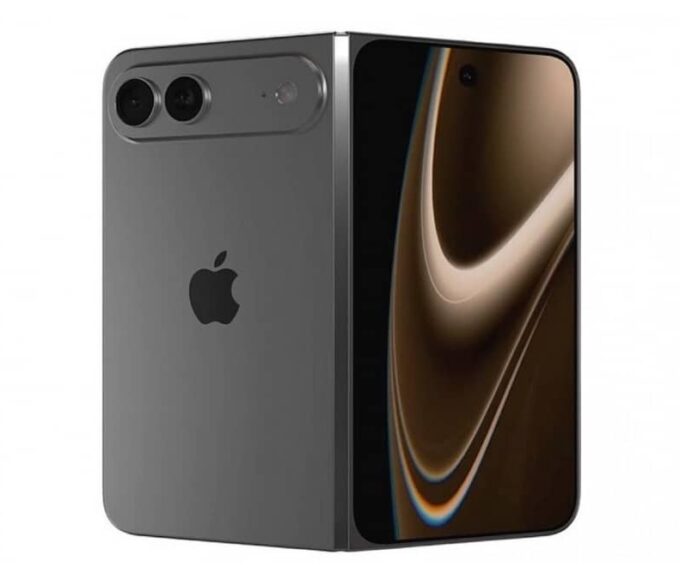
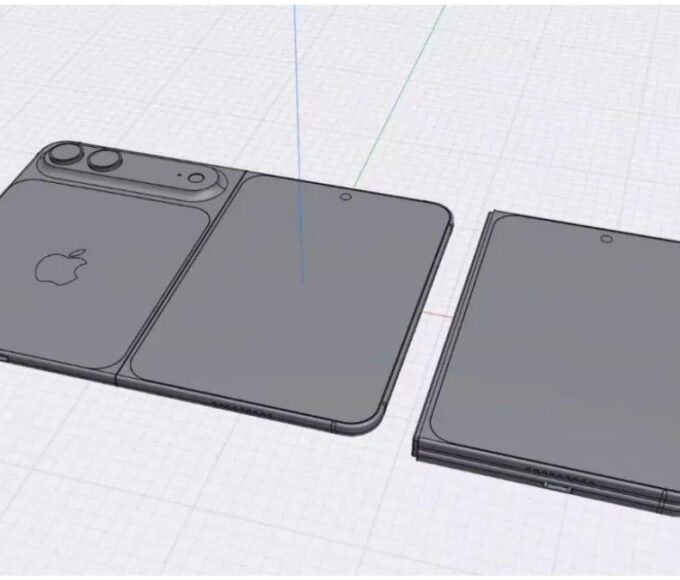
Apple may be listening. Sources say the company could stagger the 2026 launch, releasing the iPhone 18 Pro, 18 Pro Max, and a new iPhone Fold in September, while the base iPhone 18 and iPhone Air 2 may arrive in spring 2027. This strategy would extend the life of the iPhone 17 as the main entry-level option.
Industry analysts see the 18 Pro as a flagship for enthusiasts, while the base model delay may help Apple ease pricing pressure and reduce upgrade fatigue. With under-display Face ID, satellite internet, and professional-style cameras, the iPhone 18 Pro could still redefine what a smartphone can do—if users are ready to pay for it.