
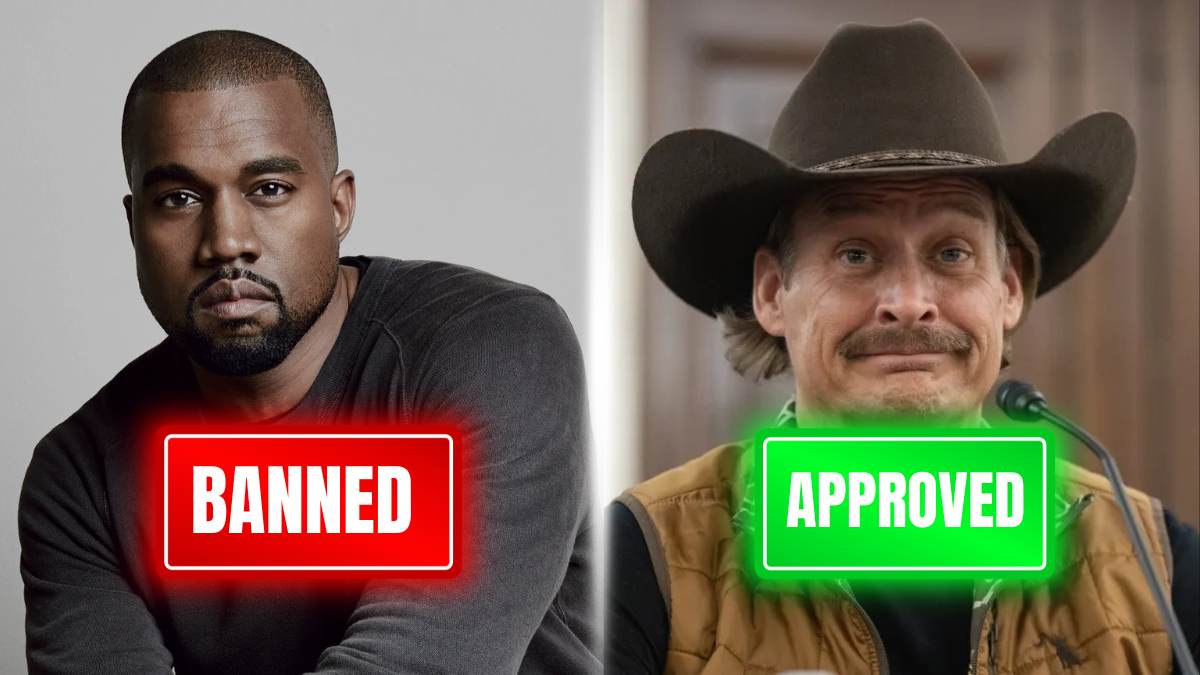
In 2026, Kid Rock is moving forward with his Freedom 250 Tour. The American rap-rock star plans shows across North America and Europe. Fans buy tickets and look forward to his live performances.
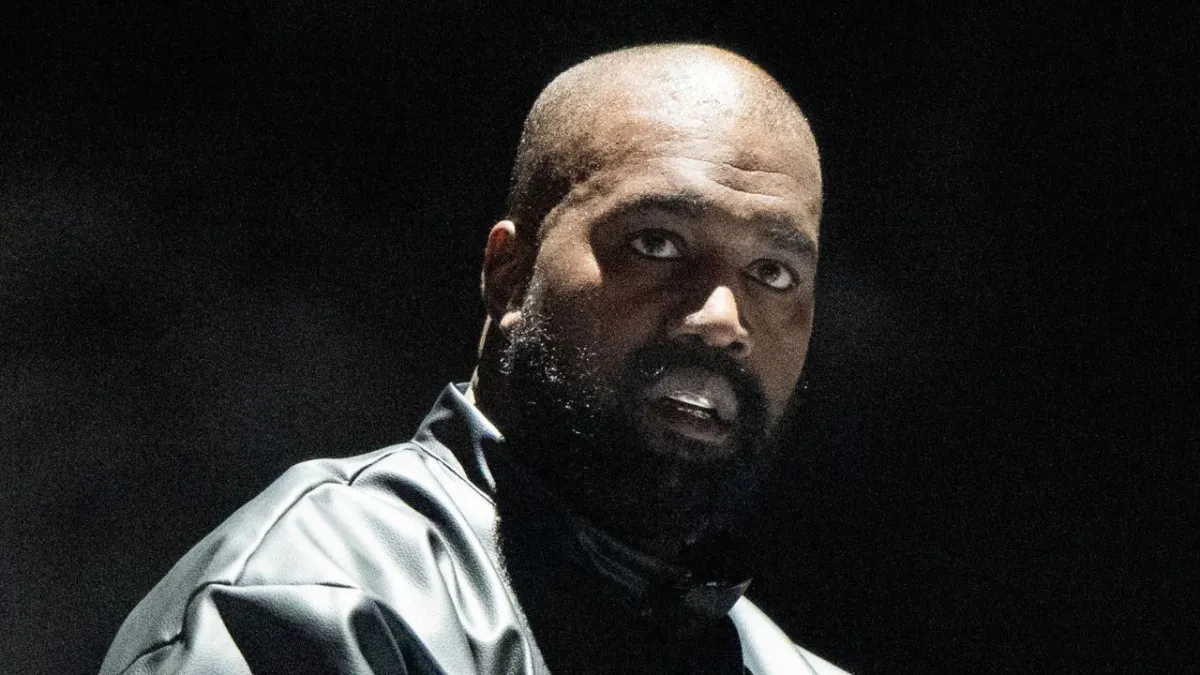
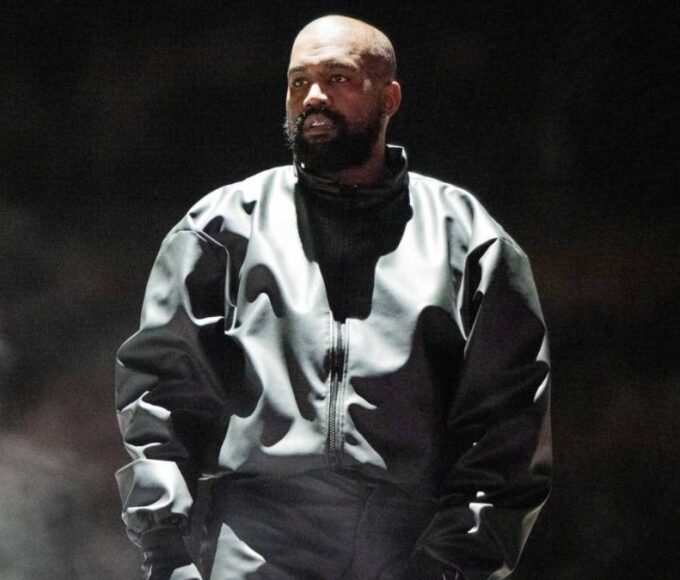
At the same time, Kanye West — now known as Ye — faces a full ban from the United Kingdom. He cannot enter the country. This blocks him from headlining Wireless Festival in London. Organizers cancel the entire event after sponsors pull out.
The situation sparks strong debate online. Many people ask: Why does the UK allow one controversial artist to perform but completely shut out the other?
Kid Rock’s Controversial Statements
Kid Rock has a long history of outspoken comments. He has used racial slurs in interviews. He has defended the Confederate flag. On Joe Rogan’s podcast in 2024, he argued that Israel should kill 30,000 to 40,000 civilians in Gaza at a time until Hamas returns the hostages. Joe Rogan called the idea a war crime, but Kid Rock stood by his view.
These remarks are harsh and extreme. However, Kid Rock continues to sell tickets and perform. His core fans remain loyal. They view his words as free speech or typical rock star behavior. He has never lost major corporate partnerships the way other stars have. His brand — built on beer, guns, and anti-woke anthems — still connects with his audience.
Kanye West’s Ban
Kanye West’s controversies go further in a different direction. He has repeatedly made antisemitic statements. He praised Hitler on camera. He spoke about “Jewish control” of media and business. He posted about “death con 3 on Jewish people.”
These comments follow classic antisemitic conspiracy theories. They touch a sensitive nerve in the UK, a country with strict hate speech laws and recent memories of the October 7 attacks. The UK Home Office states that Ye’s presence “would not be conducive to the public good.” As a result, they deny him entry. Sponsors and festivals avoid the expected protests and boycotts.
The Clear Double Standard
The difference stands out. Kid Rock’s strong pro-Israel comments and “racist rhetoric” fit within “edgy rock star” talk for many conservatives. His views align with parts of the “America First” crowd that sees Israel as an ally against radical groups.
Kanye’s antisemitism crosses a much harder line. It echoes dangerous historical hatred that has led to violence. Corporate brands, governments, and international Jewish organizations react strongly and quickly to it.
Skin color alone does not explain the gap. Kanye is Black and Kid Rock is white. The real issue is the type of controversy. Antisemitism often triggers instant rejection in Europe. Other offensive speech depends on the audience and political alignment.
The music industry has shown similar patterns before. It has allowed artists with serious criminal records to perform when money is involved. Yet antisemitism frequently ends careers and tours faster than almost anything else.
What Happens Next
Kid Rock will likely take the stage in 2026 with loud music and energetic crowds. Kanye West remains in the United States. He may continue making music in the studio, but UK stages stay closed to him.
This case makes one thing obvious: Different rules apply depending on whose sensitivities get offended. One type of extreme opinion still gets a platform. Another gets a locked door.
The debate will continue. What some call “standards,” others call clear hypocrisy.