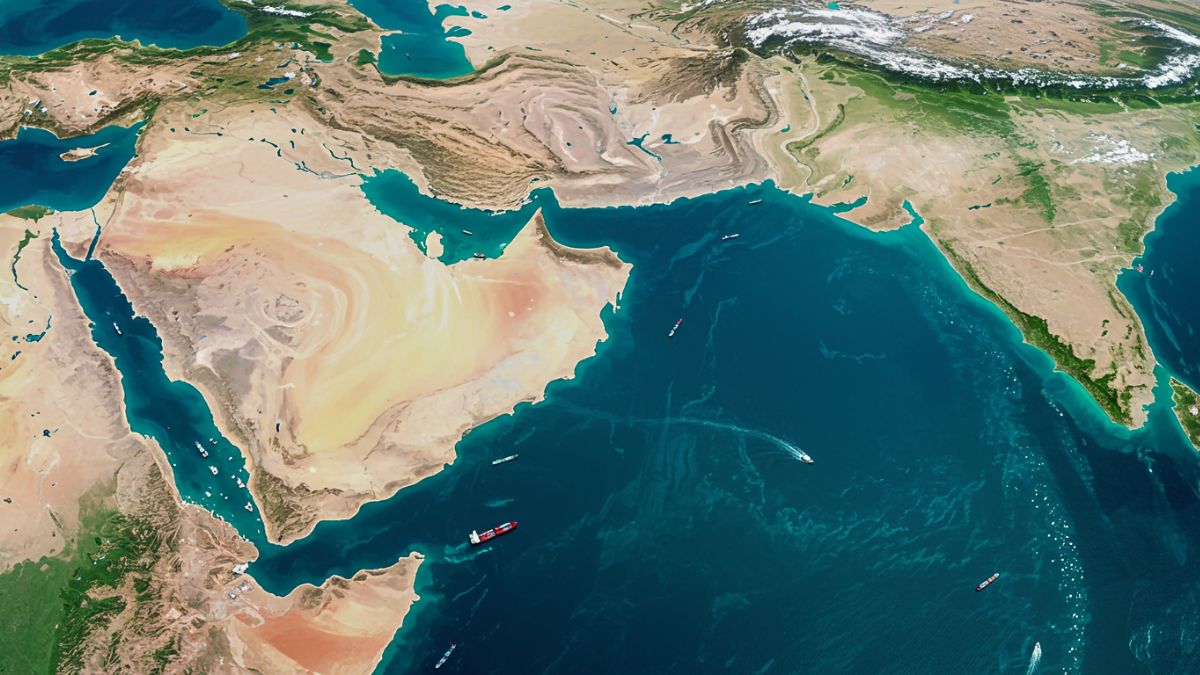

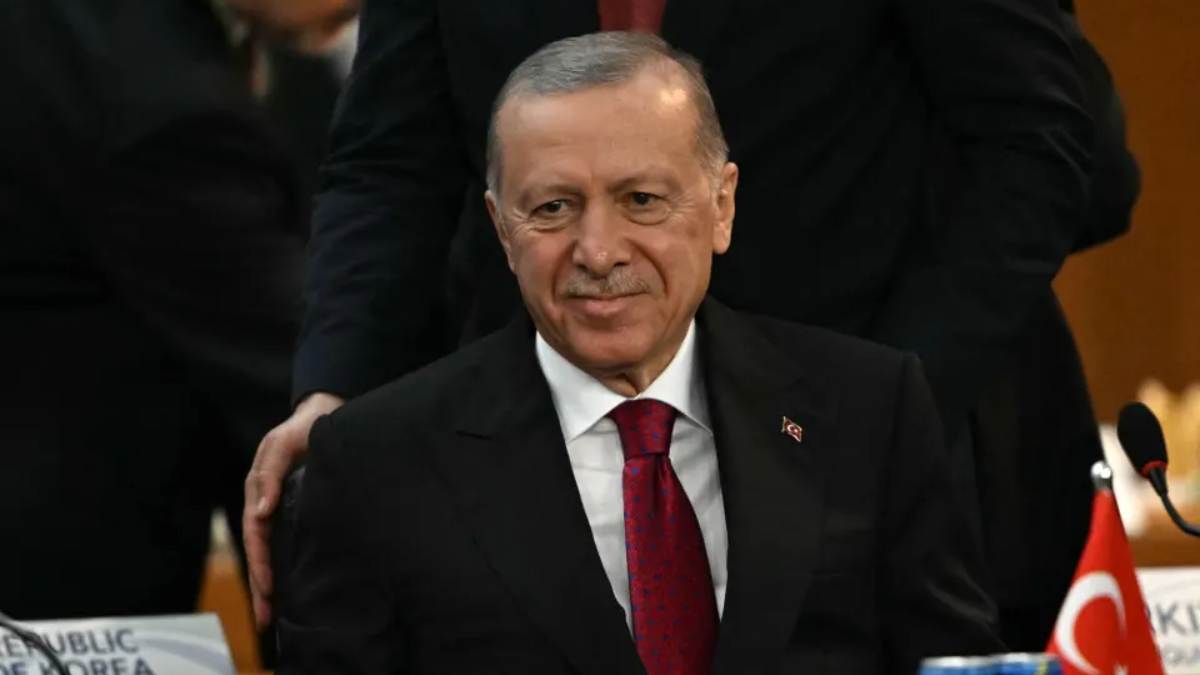
Turkey is seeking to join a mutual defence pact between Saudi Arabia and Pakistan, according to reports, in a move that reflects shifting security arrangements across the Middle East. Bloomberg reported on 9 January that Ankara has held talks about joining the pact, which was signed four months earlier.
The timing is notable, coming shortly after the return of Donald Trump to the White House. Analysts say the move reflects growing concern in Ankara and other regional capitals about uncertainty in US security commitments, rather than a sudden break with existing alliances.
The Saudi–Pakistan pact is not comparable to Nato-style collective defence agreements. While it includes mutual defence clauses, it lacks integrated command structures, shared planning systems and long-standing operational cooperation, which experts say limits its immediate military impact.
However, analysts argue the real significance lies in defence industry cooperation. Security agreements in the region are increasingly tied to arms financing, joint production and logistics access, turning defence ties into commercial and industrial partnerships as much as political ones.
Turkey’s interest is seen as part of a broader strategy to expand its diplomatic and military options. While remaining a Nato member, Ankara has in recent years developed parallel defence relationships, including weapons exports and industrial cooperation with Gulf states.
Saudi Arabia, meanwhile, is pursuing redundancy in its security partnerships to reduce reliance on any single external power. Pakistan is expected to benefit financially, using defence cooperation as a channel for arms sales, training programmes and industrial utilisation.
Experts say the potential expansion of the pact highlights a wider shift in Middle Eastern security, away from a single dominant guarantor toward overlapping and flexible arrangements. While unlikely to reshape the military balance on its own, the move could influence regional risk assessments and long-term defence cooperation.