
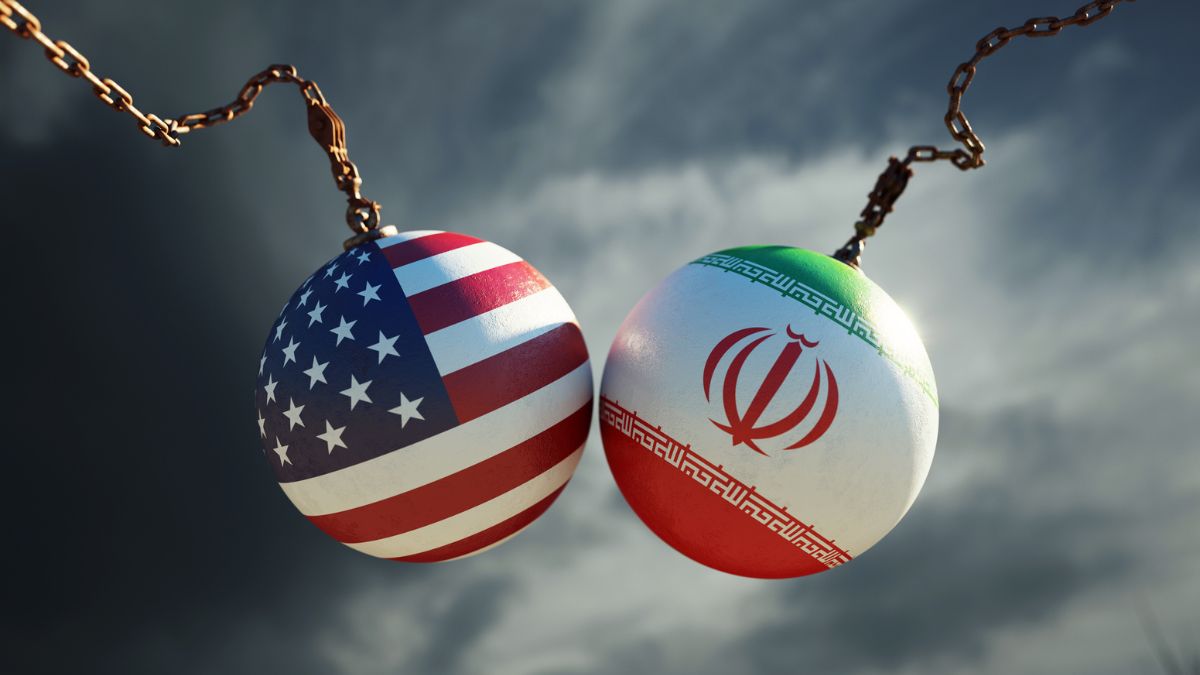
Saudi Arabia, the UAE, Kuwait, and Qatar are looking at ways to get out of contracts and pull back on future investments. The reason? Donald Trump’s war with Iran is hammering their economies.
The Financial Times broke the story. A Gulf official told them several countries started internal reviews to see if they can use “force majeure” clauses to exit existing deals. They’re also reassessing current and future investment commitments.
This isn’t a full withdrawal—yet. It’s contingency planning. But it’s a big deal. These countries control over $2 trillion in sovereign wealth funds. They pledged hundreds of billions to invest in the US after Trump visited last year.
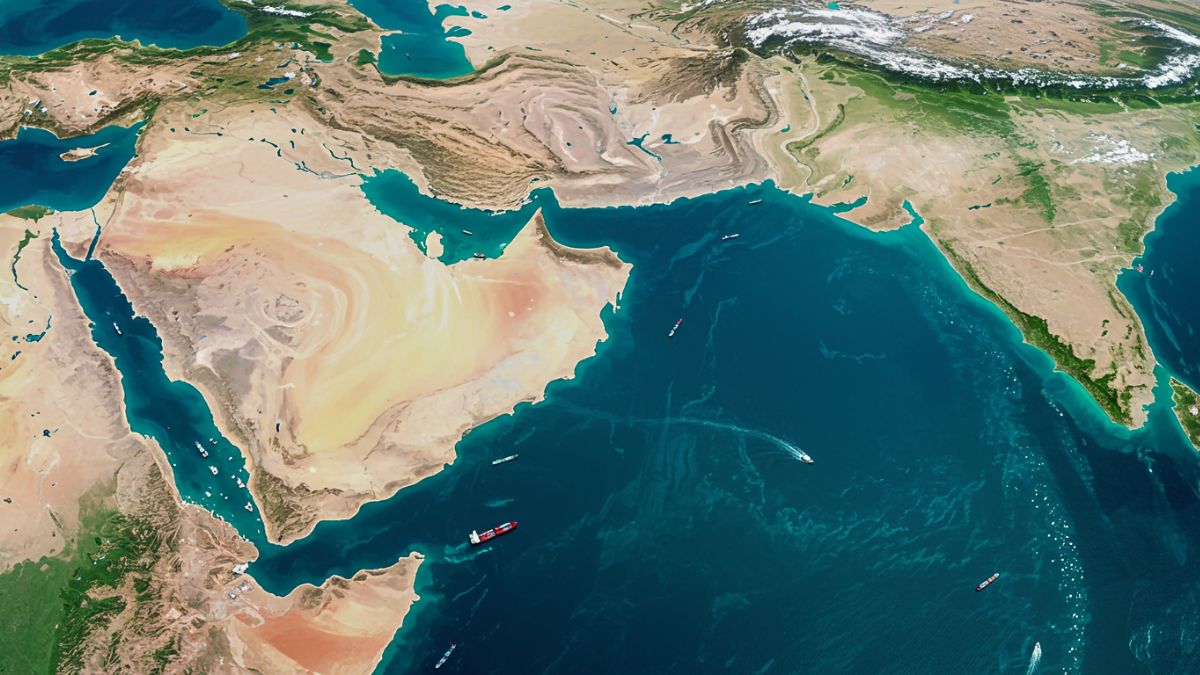
The war is hitting them hard. Iran has struck back at US allies with drone attacks on Saudi oil refineries, Qatari LNG facilities, and airports across the region. The Strait of Hormuz—where one-fifth of global oil flows—is practically closed. Qatar already declared force majeure on LNG shipments this week.
Their budgets are bleeding. Energy revenues are down because of disrupted shipping. Tourism and aviation have tanked. Defense spending is through the roof. One official said they’re reviewing “investment pledges to foreign governments, sports sponsorships, business contracts, and potential sales of existing holdings.”
The timing is brutal for Trump. He just got Saudi Arabia designated as a “Major Non-NATO Ally” and promised them F-35 jets. Now his Gulf partners are signaling they might take their money elsewhere if he keeps escalating.
Social media is going wild with claims that “trillions” are being pulled out and the “American empire is ending.” That’s hype. No official cancellations have happened. But the warning shot is real.
A prominent Emirati businessman, Khalaf al-Habtoor, called out Trump directly on X: “Who gave you the authority to drag our region into a war with Iran? Did you calculate the collateral damage before pulling the trigger?”
The Gulf states want stability. They tried to talk Trump out of this war. Now they’re stuck dealing with Iranian retaliation while their economies suffer. If they actually pull investments, it could pressure Trump to seek peace—or at least make him pay attention.
For now, it’s a review. But in Middle East politics, reviews have a way of becoming reality when the money stops flowing.







 Follow on Google News