
 By
By OpenAI Retires GPT-4o, Users Around the World Mourn Loss of AI Companions
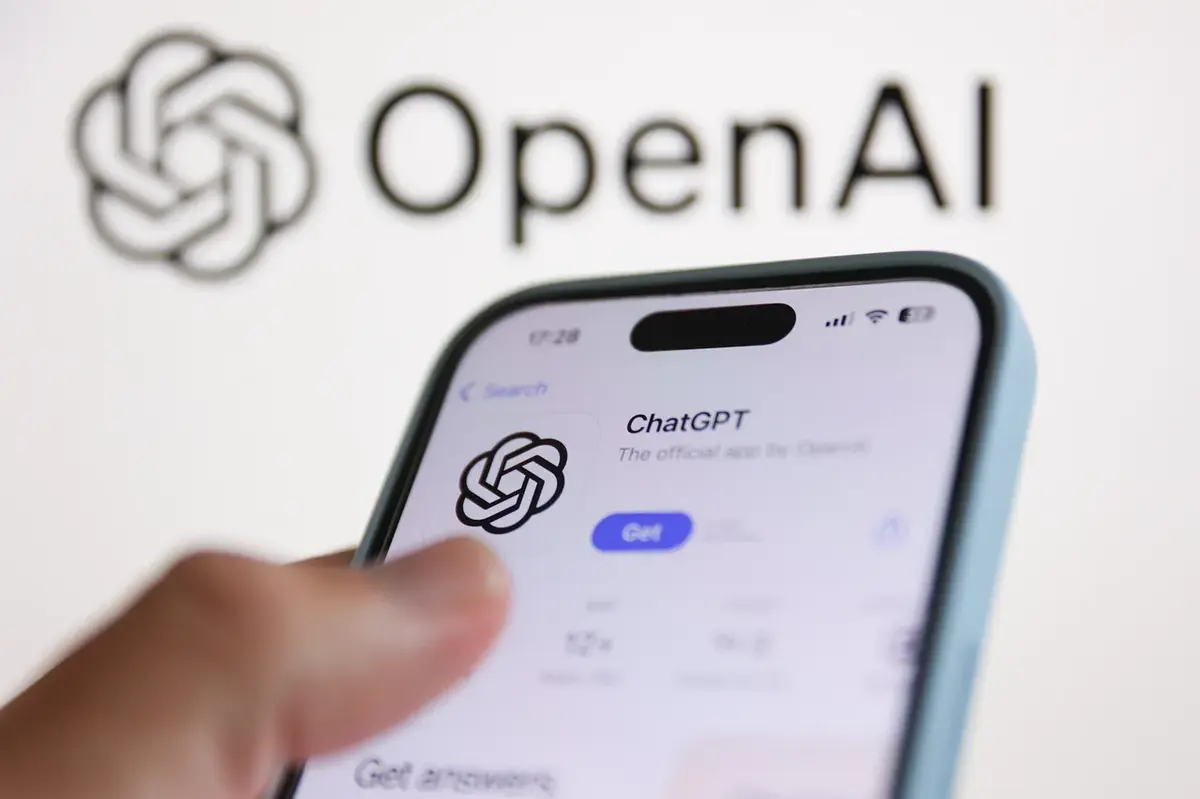
OpenAI has officially removed GPT-4o from its ChatGPT app, ending access to a model many users described as more emotional and human-like than its replacements. The shutdown took effect on February 13, just before Valentine’s Day, and has triggered backlash online.
The company had previously attempted to retire GPT-4o in August 2025 but restored it after strong protests from paid users. This time, the removal appears final. Developers will also lose access through the API.
Many users say GPT-4o was more than a writing tool. Some described it as a companion for emotional support, creativity, and even romantic connection. Online communities using the hashtag #keep4o have gathered tens of thousands of posts across platforms like X, Reddit, and Change.org.
In China, where ChatGPT is officially blocked, users accessed the service through VPNs. Some Chinese fans publicly criticized OpenAI and CEO Sam Altman, and threatened to cancel subscriptions. Online groups organized farewell messages before the model went offline.
Researcher Huiqian Lai of Syracuse University found that many posts during earlier shutdown attempts described GPT-4o as “more than a tool.” A petition to keep the model reportedly gathered over 20,000 signatures.
OpenAI stated in a January blog post that only 0.1% of users still chose GPT-4o daily. The company said it is focusing on newer models with improved safety features and guardrails. However, critics argue that newer versions feel “colder” and overly cautious.
Mental health experts have warned that strong emotional reliance on chatbots can create risks. OpenAI is currently facing lawsuits related to psychological harm claims linked to chatbot use. The company says it is working to improve safety and personality balance in future models.
For many loyal users, the removal feels personal. Some compared it to losing a friend. Others see it as proof that tech companies control digital relationships at any time.
As GPT-4o disappears, the controversy highlights a growing debate: What responsibility do AI companies have when users form emotional bonds with their products?