

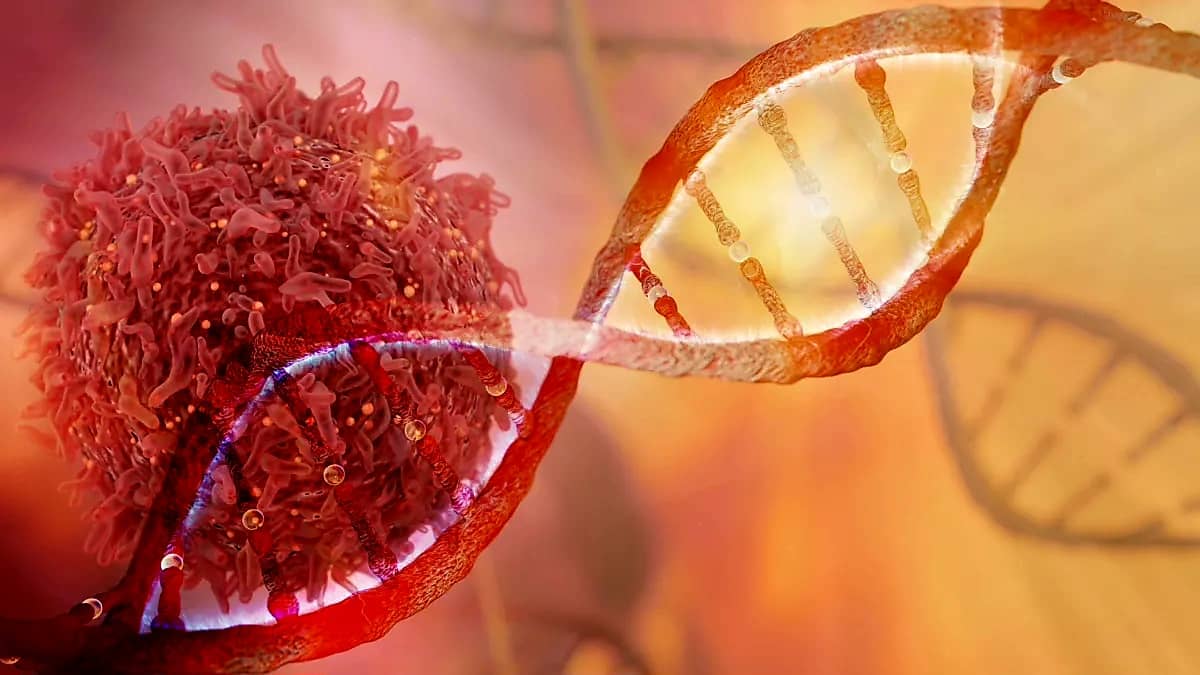
Scientists have identified a crucial gene, SDR42E1, that plays a key role in vitamin D absorption and metabolism—a breakthrough that could change how doctors treat cancer and autoimmune diseases in the future.
The SDR42E1 gene belongs to a family of enzymes known as the short-chain dehydrogenase/reductase superfamily. It helps the body absorb vitamin D from the intestines and convert it into calcitriol, the active form of vitamin D that supports bone health and regulates many cellular processes.
Researchers used advanced CRISPR/Cas9 gene-editing technology to study SDR42E1. When they disabled this gene in laboratory experiments, they found that vitamin D processing was significantly reduced, even when adequate sunlight or supplements were available. This may explain why some people suffer from vitamin D deficiency despite healthy lifestyles.
Molecular studies revealed that SDR42E1 directly binds to vitamin D and its chemical precursors, indicating that it also plays a role in vitamin D production in the skin. Its presence across many species—from humans to fruit flies—highlights its fundamental importance in biological systems.
Beyond vitamin D, SDR42E1 appears to control thousands of other genes related to sterol metabolism and cancer-related signaling pathways. Researchers identified over 4,600 genes that changed their behavior when SDR42E1 was inactivated, showing the gene’s wide-ranging influence on human health.
One of the most promising findings came from studies on colorectal cancer cells. When SDR42E1 was disabled in HCT116 colorectal cancer cells, cell viability dropped by 53%, suggesting the gene is critical for cancer cell survival. Further analysis confirmed changes in key proteins linked to cell growth and cancer progression.
Scientists believe that by targeting SDR42E1, they could develop precision therapies that selectively kill cancer cells without harming healthy tissue. This could lead to safer and more effective treatments for cancer and autoimmune diseases. However, researchers caution that clinical applications are still in the early stages and require more testing.
The discovery adds to the growing potential of CRISPR-based medicine, paving the way for treatments that directly modify the body’s genetic pathways to fight disease.







 Follow on Google News