

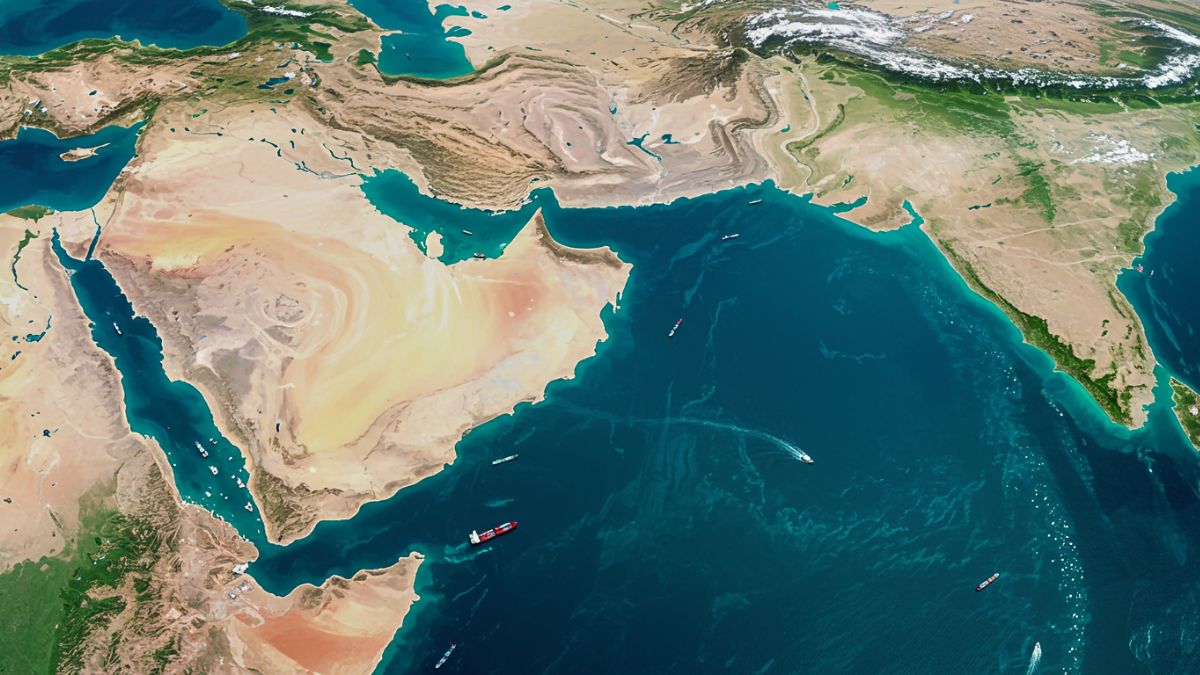
Iran has effectively shut the Strait of Hormuz to most global shipping while reportedly allowing Chinese and Russian vessels to pass, sparking claims of a geopolitical carve-up of the world’s most critical oil chokepoint.
The Revolutionary Guard has been blasting VHF radio warnings to merchant ships since Saturday, stating “no ship is allowed to pass the Strait of Hormuz.” The move came hours after US and Israeli strikes killed Supreme Leader Ali Khamenei.
But the blockade appears selective. While Western and Gulf-state tankers are being turned back or scared off, ships from Beijing and Moscow are allegedly getting through.
China buys over 80% of Iran’s oil exports. Russia doesn’t rely on Hormuz for its own energy shipments but stands to gain massively from the chaos. As Iranian crude gets cut off, Chinese refiners are expected to pivot straight to Russian supplies.
The impact is already brutal. Roughly 20% of global oil supply normally flows through the 21-mile-wide channel. Now over 150 tankers are anchored in open waters, too scared to move. Maersk and MSC have suspended all crossings. Insurance rates have spiked 50%.
Iran hasn’t formally closed the strait—it legally can’t, since Oman controls the southern coast. But the “effective closure” is working anyway. Shippers don’t care about legal theory when missiles are flying.
Saudi Arabia and the UAE are furious. Their oil exports are stuck, yet their American ally can’t guarantee safe passage. Riyadh has contingency pipelines, but they can only handle a fraction of normal volumes.
The US Navy has admitted it cannot protect commercial vessels in the Persian Gulf. Three tankers have already been hit since Saturday, including one off Oman on Sunday.
Analysts warn Brent crude could hit $100 per barrel if infrastructure gets targeted. For now, prices have surged past $79—up more than 9% in days.
China and Russia are the obvious winners. Beijing keeps its energy flowing while Washington’s allies suffer. Moscow watches oil prices climb, filling its war chest even as the Ukraine conflict drags on.
The selective blockade raises ugly questions about who Iran’s real partners are—and whether this “war” is already splitting into camps.







 Follow on Google News