
NASA is preparing to bring four astronauts back to Earth following the first medical evacuation in the International Space Station’s 25‑year history.
The decision was announced last week after one Crew‑11 astronaut developed a serious medical condition. NASA officials said the astronaut is in a stable condition, and the evacuation is being done out of caution, not due to an immediate emergency.
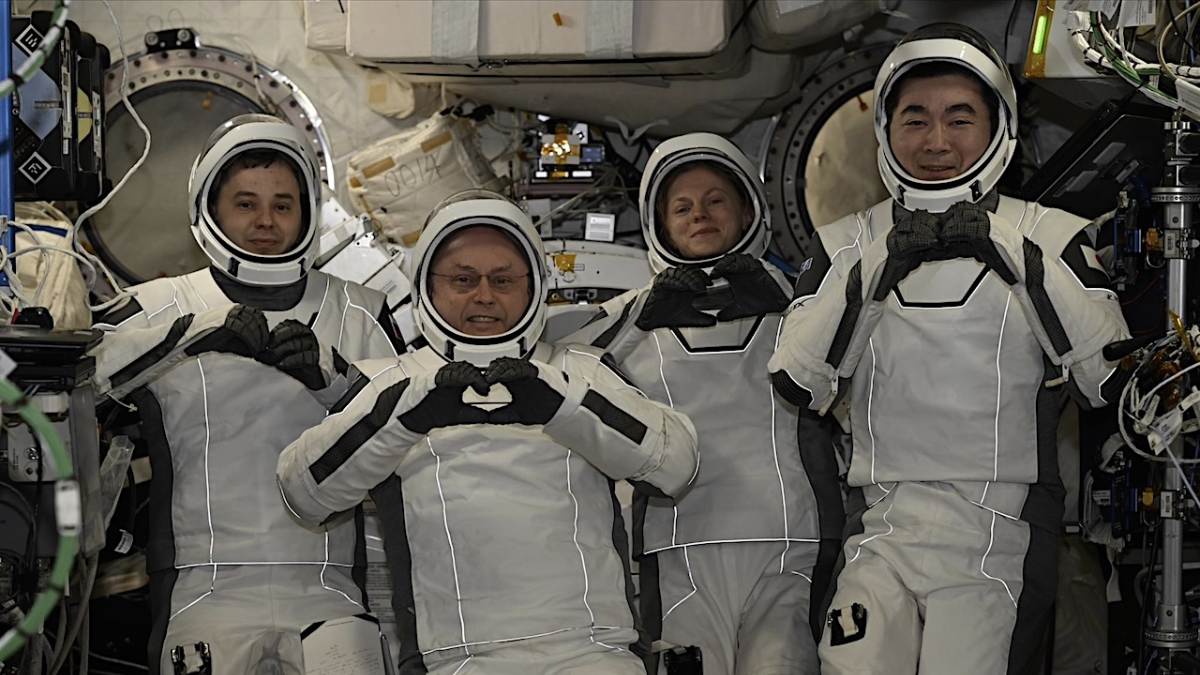
As a result, NASA canceled its first planned spacewalk of 2026 and began preparations to return Crew‑11 about a month earlier than scheduled. The crew includes Zena Cardman, Mike Fincke, Kimiya Yui, and Oleg Platonov.
NASA’s Chief Health and Medical Officer Dr. James Polk emphasized that the situation does not require emergency procedures. He said the goal is to ensure proper medical evaluation and care back on Earth.
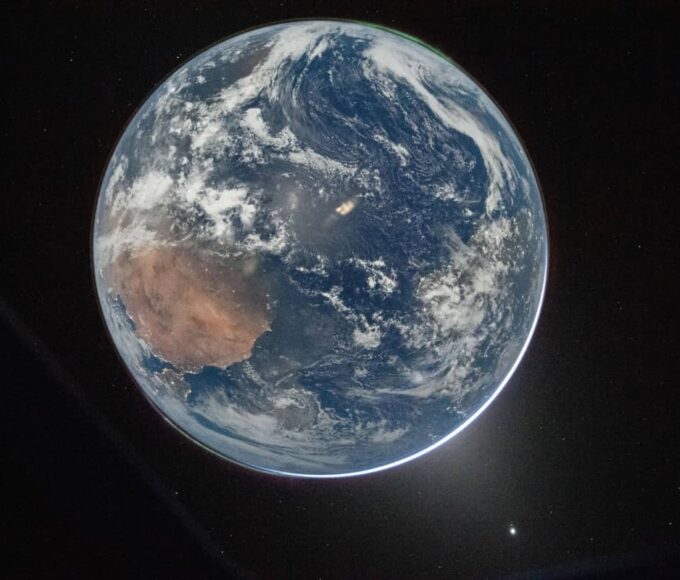
The astronauts will return aboard a SpaceX Dragon capsule, which is expected to land in the early hours of Thursday, January 15, at around 3:40 a.m. local time, according to NASA’s latest update.
The Dragon will splash down in the Pacific Ocean off the coast of Southern California. SpaceX moved all crewed splashdowns to the Pacific to reduce the risk of debris from the capsule’s expendable trunk falling over populated areas.
The return begins on Wednesday, January 14, when the capsule undocks from the ISS. The spacecraft will then perform a series of engine burns to slow down and drop out of orbit.
Upon entering Earth’s atmosphere, the capsule will be traveling at around 17,500 miles per hour. Atmospheric friction and multiple parachute deployments will slow Dragon before it splashes down.
A SpaceX recovery ship will retrieve the capsule and assist the astronauts after landing. NASA confirmed that no changes to the standard return procedure are needed for the affected crew member.
The mission marks a historic first for the ISS and highlights how SpaceX’s Dragon system allows NASA to respond quickly to medical concerns in orbit.