
A new study from Harvard University has confirmed that children who lived near Coldwater Creek, Missouri, in the mid-20th century faced a much higher risk of developing cancer.
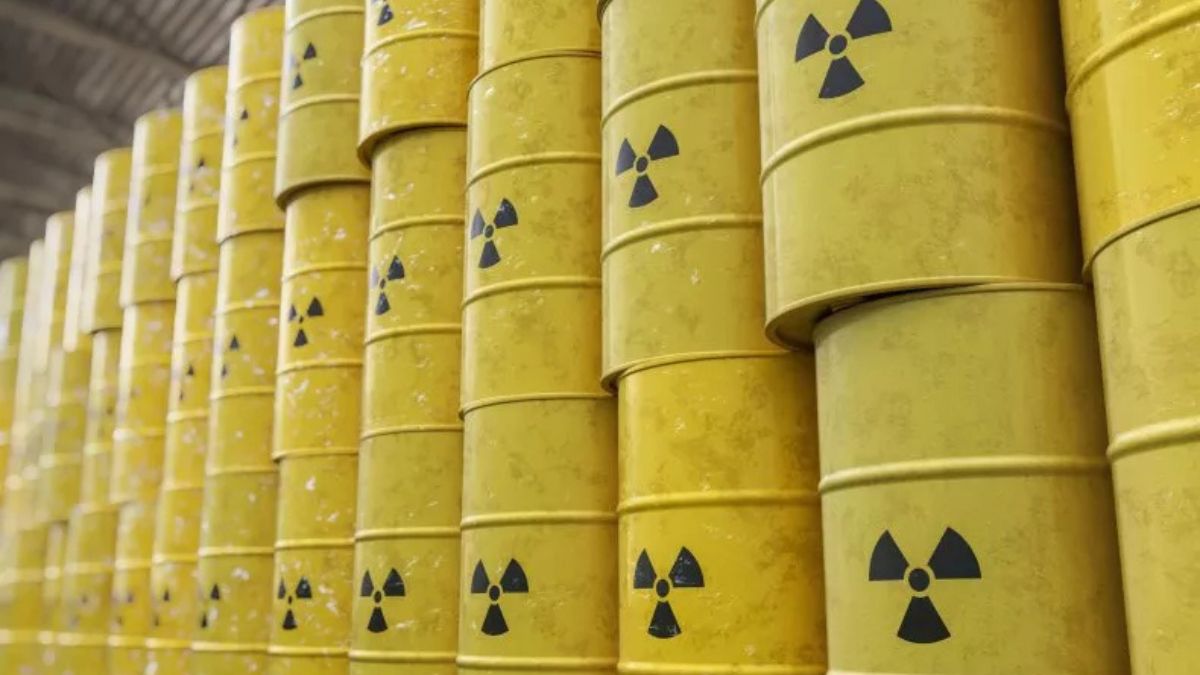
The research, published in JAMA Network Open, found that radioactive waste dumped near the creek during the development of the first atomic bomb led to long-term health problems for residents.
Researchers studied data from 4,209 people who were part of the St. Louis Baby Tooth–Later Life Health Study. This project started in 1958 to collect baby teeth and measure exposure to nuclear fallout. The participants also shared details about cancer diagnoses throughout their lives.
The results showed a clear pattern: people who grew up closer to Coldwater Creek were more likely to develop cancer. About 30% of those who lived less than 0.6 miles from the creek reported having cancer. In comparison, only 24% of people who lived more than 12 miles away had cancer.
The study also found that the risk of certain cancers was even higher for those who lived near the creek. These residents had a 52% higher chance of developing solid cancers, such as tumors in the organs. They also had an 85% higher risk of developing cancers sensitive to radiation, including leukemia, thyroid, breast, and basal cell cancers.
“This study suggests that childhood exposure to even low levels of radioactive waste can have serious long-term health effects,” said Marc Weisskopf, lead author of the study and professor of environmental epidemiology at Harvard T.H. Chan School of Public Health.
The new findings come at a time when Congress is expanding the Radiation Exposure Compensation Act (RECA). This law now allows people affected by radiation exposure, including Coldwater Creek residents, to receive financial help with medical expenses. The expansion was part of the Trump administration’s recent tax bill.
Earlier research mostly focused on high-dose radiation exposure, like the atomic bombings in Japan. However, this new study shows the dangers of long-term, lower-level exposure near nuclear waste sites.
“As countries debate expanding nuclear energy and weapons programs, we need to consider the hidden costs of radioactive waste,” Weisskopf added.
So far, the government has not officially responded to the study’s findings.







 Follow on Google News