

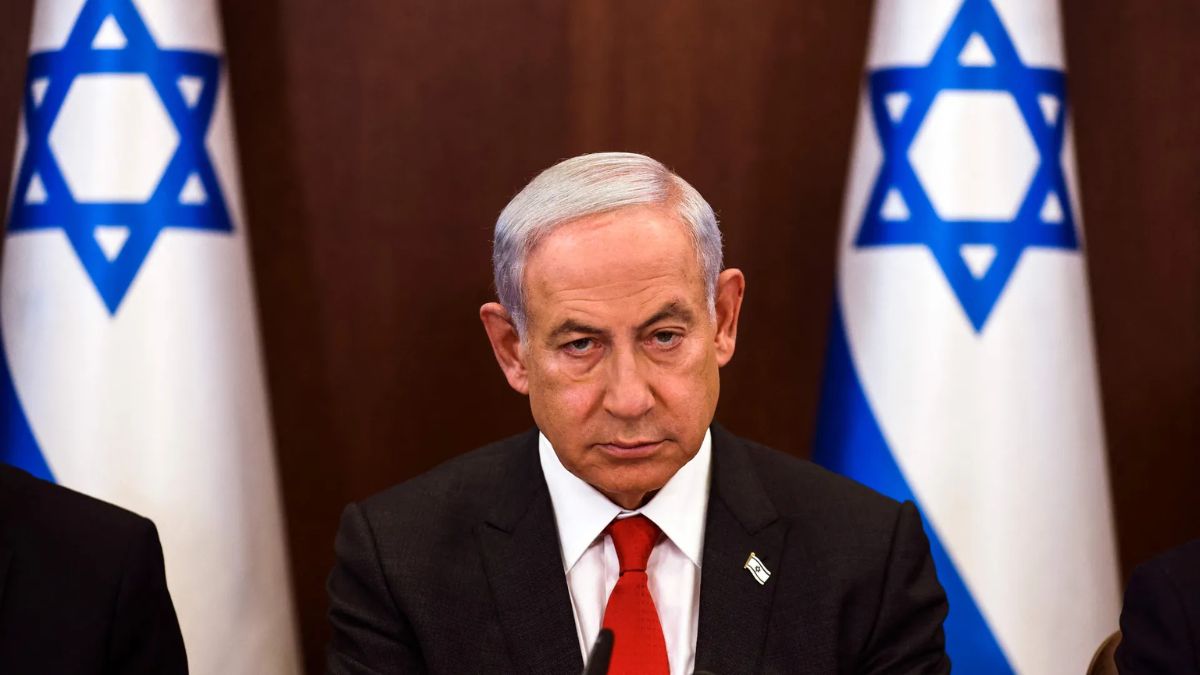
A recent report by Israel’s Channel 12 News, aired on January 3, 2026, suggests that roughly 50% of politically active accounts on Israeli social media are automated bots, rather than real users. Many of these accounts appear to amplify content from Prime Minister Benjamin Netanyahu and members of his right-wing coalition.
Rapid Amplification of Political Posts
Researchers, including Jonathan Hasidim from the Scooper group, studied engagement patterns on social media. They found that posts from Netanyahu and his allies often receive likes, shares, and reposts within seconds, sometimes originating from accounts based abroad.
For example, a five-minute Hebrew video posted by Netanyahu could see up to 70% of its initial shares coming from foreign accounts within the first minute, a pace that is unlikely for genuine human viewers. Experts say such activity can manipulate platform algorithms, boosting visibility and giving the impression of wider organic support.
In contrast, posts from opposition figures, such as Yair Lapid and Yair Golan, showed no evidence of coordinated bot activity.
Context and Past Allegations
Israel’s social media landscape has faced similar allegations in previous elections. Reports from 2019 described hundreds of coordinated fake Twitter accounts promoting Likud messaging, though these accounts were not directly linked to the government.
Channel 12, often critical of Netanyahu, has previously faced boycotts and accusations of bias from the ruling party over unrelated reporting.
As of January 9, 2026, Netanyahu’s office and Likud have not issued any denials or counter-reports regarding the latest findings. Coverage of the story has primarily appeared in Israeli outlets, including The Times of Israel, with limited international attention so far.
Implications
Experts note that bot activity in political discourse is not unique to Israel and mirrors trends seen globally, raising concerns about digital democracy, misinformation, and the manipulation of public opinion.