

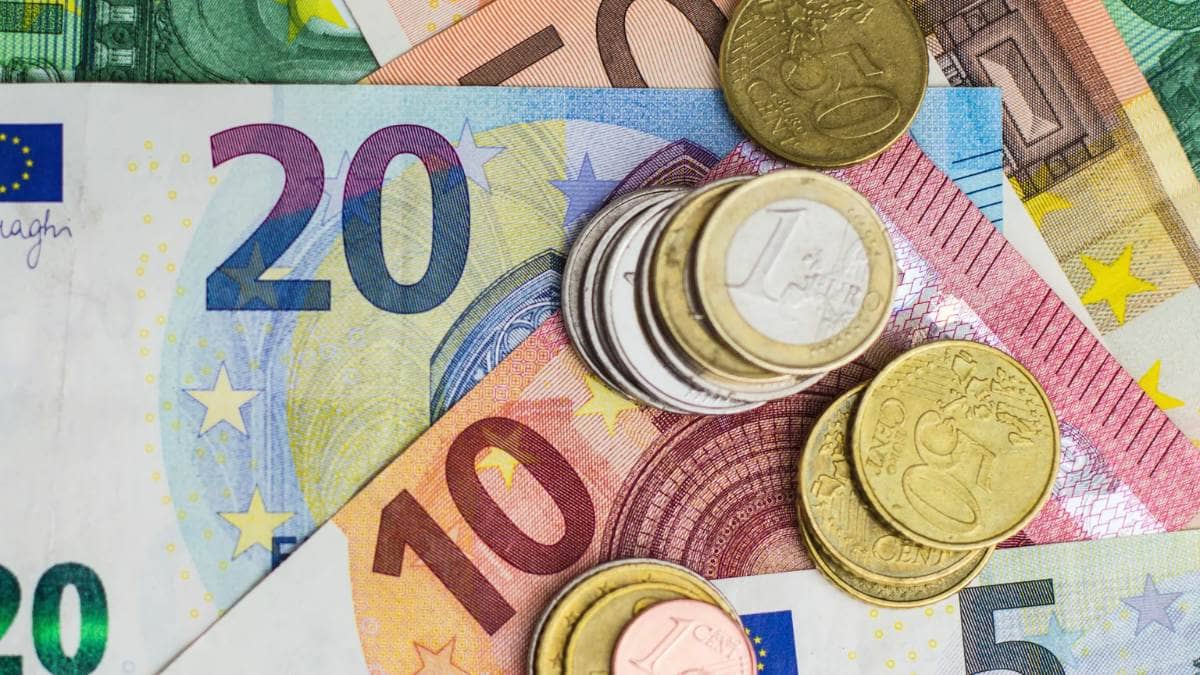
Bulgaria has officially started using the euro, becoming the 21st member of the euro currency union. The move marks the end of the Bulgarian lev as the country’s main currency.
Cash machines in the capital, Sofia, began dispensing euro banknotes this week. The lev will still be accepted for cash payments during January, but all change will be given only in euros.
Bulgaria joined the European Union in 2007 and has worked for years to adopt the euro. The government said euro membership will help boost trade, investment, and economic ties with other EU countries.
The country, with a population of about 6.7 million, was one of the EU’s poorest members when it joined the bloc. Adopting the euro is seen as another step toward deeper integration with Europe following Bulgaria’s shift from communism to democracy after 1989.
The change comes during a period of political instability. Bulgaria’s conservative-led government resigned earlier this month after large anti-corruption protests. The resignation has left the country without a full budget for next year, slowing reforms and access to EU funds.
Some Bulgarians remain skeptical about the switch. Nationalist and pro-Russian groups have raised concerns about higher prices and loss of national identity. To qualify for euro adoption, Bulgaria reduced inflation to 2.7% earlier this year to meet EU rules.
All EU members commit to adopting the euro, but the process can take many years. Croatia was the last country to join the eurozone in 2023.






 Follow on Google News