


Artificial intelligence is transforming the entertainment industry, but Hollywood and the music industry are responding differently.
While both sectors are embracing innovation, AI presents unique challenges, especially around the use of copyrighted material without permission.
Hollywood’s Embrace of AI
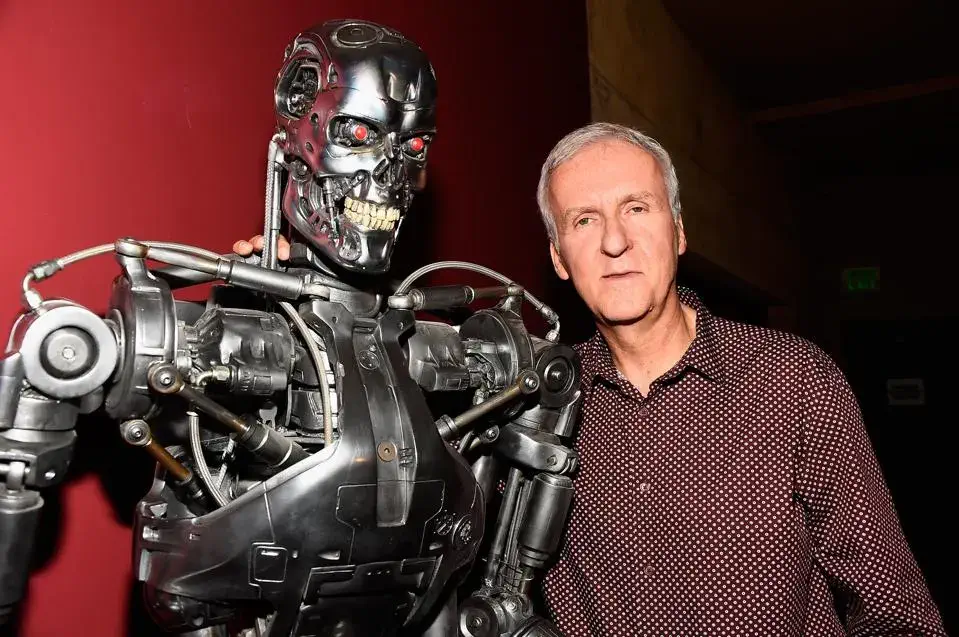
Hollywood has a history of adopting new technologies, and AI is no exception. Studios are using AI for tasks like storyboarding, editing, and casting. Filmmakers like James Cameron and Ridley Scott, who were initially skeptical, have become more open to AI’s potential, recognizing it as a tool to enhance storytelling.
However, the industry is also cautious. The 2023 writers’ strike led to the Writers Guild of America securing protections against AI-generated content, ensuring that AI cannot replace human writers or influence credits.
The Music Industry’s AI Challenges
The music industry’s relationship with AI is more contentious. AI tools that replicate voices and styles, especially without permission, have sparked legal battles. In 2024, major record labels filed lawsuits against AI startups like Suno and Udio for using copyrighted music to train their models, resulting in songs that mimic iconic artists like Michael Jackson.
The music industry’s fragmented structure, with rights shared between labels, artists, and producers, makes AI’s impact more problematic. Unlike Hollywood, where studios control much of their content, the music industry faces more complex copyright issues.
Why the Divide?
The divide between Hollywood and the music industry comes down to how each industry uses AI. Hollywood mainly employs AI behind the scenes for production tasks, while the music industry deals with personal intellectual property. For musicians, AI that mimics their voices and styles feels like a direct threat to their identity.
A Shared Future of Innovation and Responsibility
Both industries must navigate how AI can enhance creativity without undermining human work. Hollywood is working with unions to establish ethical guidelines, while the music industry may need to find ways to partner with AI firms through licensing agreements.
The future of AI in entertainment will depend on balancing technological advances with protecting creators’ rights.