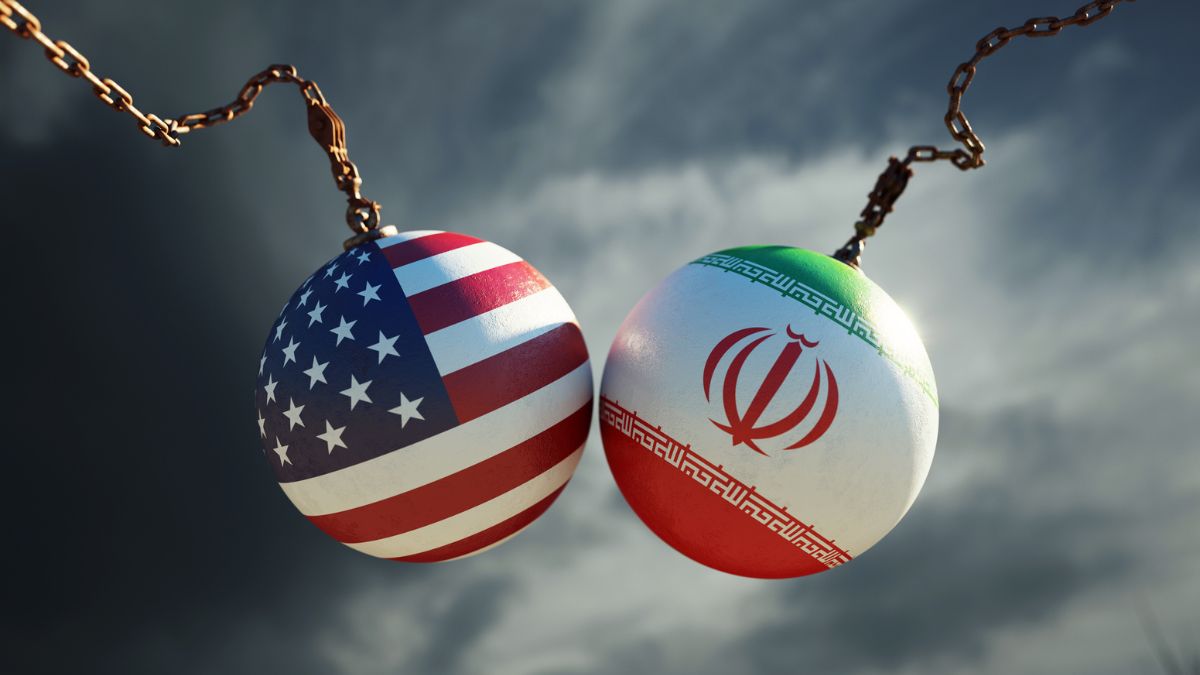

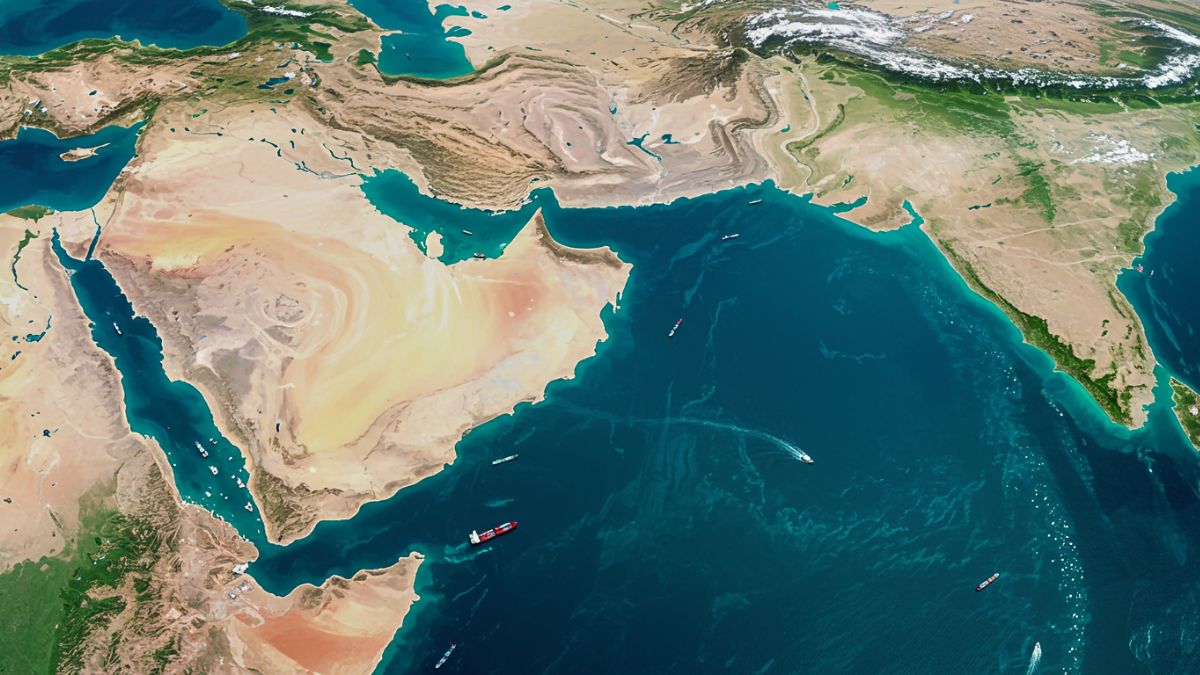
The Strait of Hormuz, one of the world’s most important oil routes, has become a major flashpoint as tensions rise between Iran and the United States.
Iranian officials say the strait is still open, but they warn that ships linked to Western countries could face military action if the conflict escalates.
Iran’s deputy foreign minister Saeed Khatibzadeh said on March 6 that Iran has no immediate plan to close the waterway. Speaking at the Raisina Dialogue in New Delhi, he said Iran only claims control of the strait during wartime and will not shut it down unless it faces further attacks.
At the same time, the Islamic Revolutionary Guard Corps issued a much stronger warning. The group said ships linked to the U.S., Israel, or European countries should not attempt to pass through the area and could be treated as military targets.
Iranian military officials also claimed they could deploy new types of sea mines using rockets and drones. Intelligence reports suggest these “smart mines” could be placed remotely, making it harder for enemies to stop the operation.
The United States has already taken action in response. On March 10, United States Central Command said it destroyed 16 Iranian vessels believed to be preparing to deploy mines near the strait.
Meanwhile, U.S. President Donald Trump warned Iran that any mines placed in the water must be removed immediately, saying the U.S. would respond with force if commercial shipping is threatened.
For now, the Strait of Hormuz remains technically open. But shipping traffic has slowed dramatically, with only a few tankers attempting to pass in recent days as fears of a wider conflict continue to grow.






 Follow on Google News