
Apple’s latest iPhone software update, iOS 26, is still causing mixed reactions months after its September release. According to Statcounter, only 15.4% of iPhone users have upgraded, a sharp contrast to 63% adoption for iOS 18 at the same point last year.
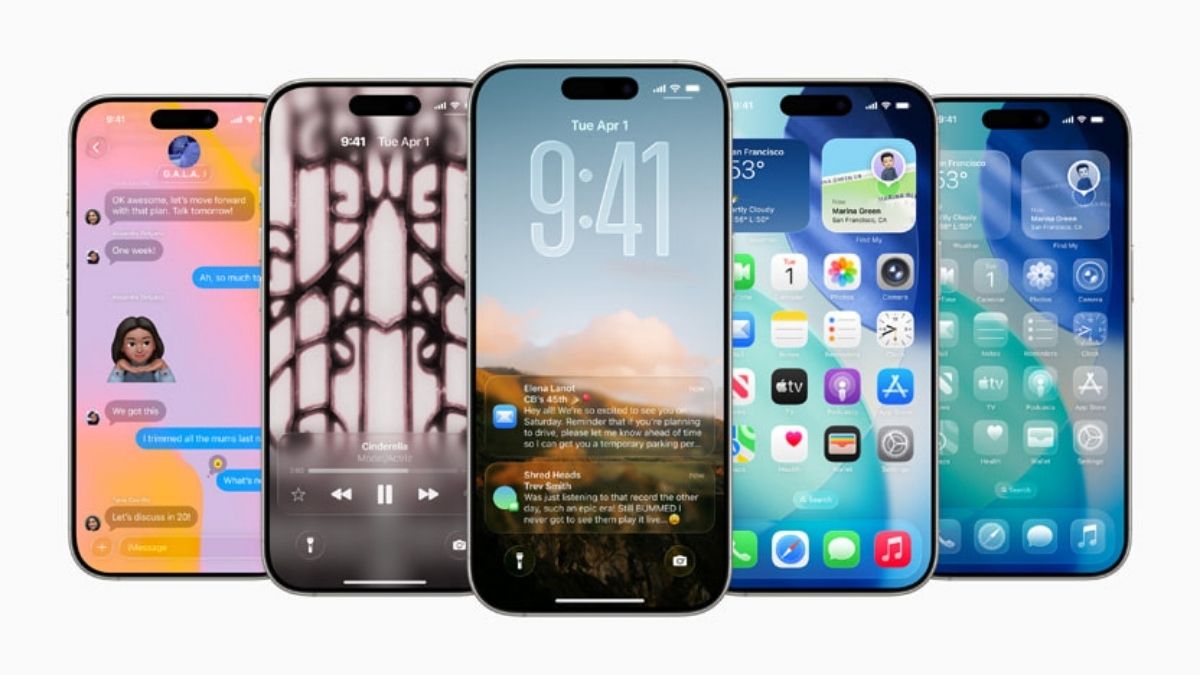
One of the most divisive features is the Liquid Glass design, which introduces semi-transparent and blurred interface elements. While intended to modernize the look, some users report that it makes screens harder to read. Icon tinting, another customization feature, has also drawn criticism for making apps difficult to identify at a glance.
Beyond aesthetics, menu changes have frustrated users. For example, adjusting the aspect ratio in the Camera app now requires cycling through options rather than selecting from a list, and context menus in apps like Safari require extra taps to access common commands like “Copy.”
Keyboard and AI features have added to user complaints. Random autocorrect suggestions and sentence changes make typing cumbersome, while early iOS 26 updates have caused battery drain on older devices. Adaptive power mode improvements are limited to iPhone 15 Pro models and newer, leaving older users waiting for fixes.
Apple’s upcoming Apple Intelligence upgrade for Siri, powered by Google’s Gemini, is expected later in iOS 26.4, which may encourage users to finally upgrade. Until then, many iPhone owners are taking a cautious “wait-and-see” approach.
Despite the challenges, Apple continues to refine iOS 26 with incremental updates, aiming to address both performance and usability concerns.