

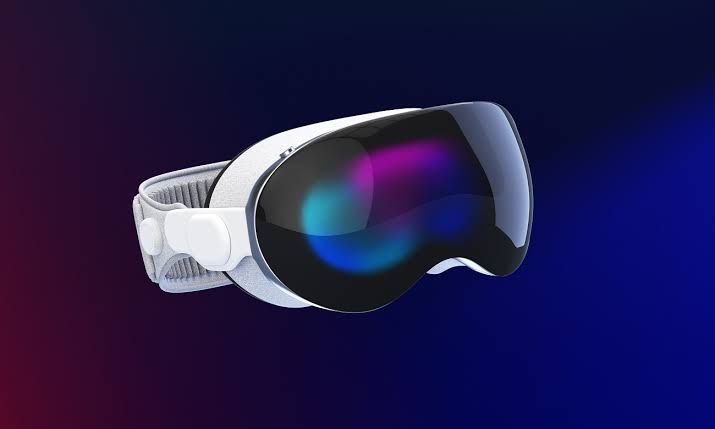
Apple’s Vision Pro, launched with great anticipation, has struggled to make VR headsets mainstream in 2024.
Despite its innovative design and marketing, the $3,499 price tag and limited use cases have kept it from becoming a household staple.
Targeted at early adopters and VR enthusiasts, it failed to offer the universal appeal of Apple’s iPhones or MacBooks.
The Vision Pro’s content library remains sparse, with few immersive experiences or compelling games to justify its cost.
Even its unique features, like widescreen Mac display settings, cater to niche audiences rather than the average consumer.
Nearly a year after its release, Apple has reportedly scaled back production and is focusing on a cheaper version, possibly signaling a shift in strategy.
The Competition: Meta’s Quest Lineup
Meta has emerged as a strong competitor with its Quest series, offering affordable options like the $299 Quest 3S and the $499 Quest 3.
These headsets deliver robust VR gaming experiences but have yet to transcend their role as gaming devices. Meta’s attempts to pitch VR as a tool for work, like with the discontinued Quest Pro, have also fallen flat.
While VR excels as a solo technology, its isolating nature and space requirements make it challenging to integrate into everyday life. For many, it remains a novelty rather than a necessity.
The Future of Wearables: AR Glasses
Augmented reality glasses, like Meta’s Ray-Ban Meta, are gaining traction as a more practical alternative to VR headsets.
These glasses combine functionality with style, allowing users to take photos, listen to music, and interact with the world without the bulkiness of a VR headset.
Apple may be exploring this avenue as well, reportedly conducting internal studies on AR glasses.
With their potential to blend seamlessly into daily life, AR glasses could become the next big thing in wearable tech.
However, their development may take years, leaving Apple to grapple with the lukewarm reception of the Vision Pro in the meantime.
While VR headsets like Apple’s Vision Pro and Meta’s Quest series have yet to redefine computing, the rise of AR glasses suggests a promising future for wearables.
For now, the challenge remains: how can tech companies make these devices indispensable rather than optional?






Leave a comment