
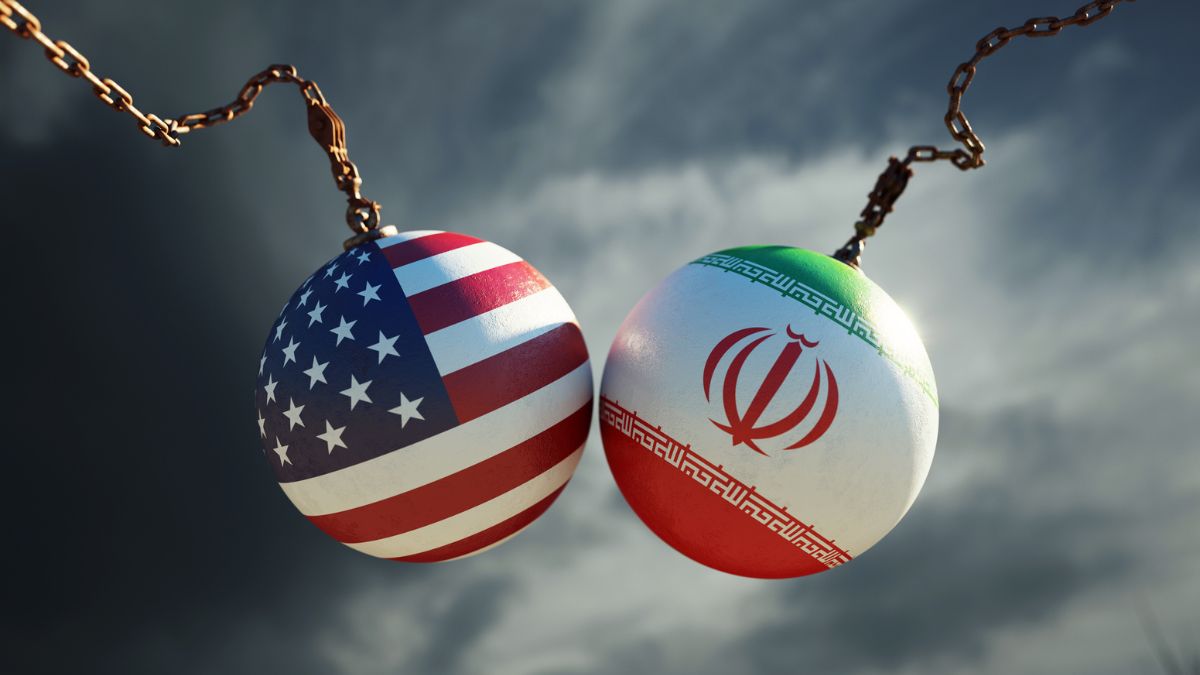
Donald Trump has ordered military strikes on Iran. Oil markets are now bracing for absolute chaos. The attack happened over the weekend while global trading floors were closed.
Iran pumps about 3.3 million barrels of oil every day. That is roughly 3% of the entire world’s supply. The country ranks as the fourth-biggest producer in OPEC.
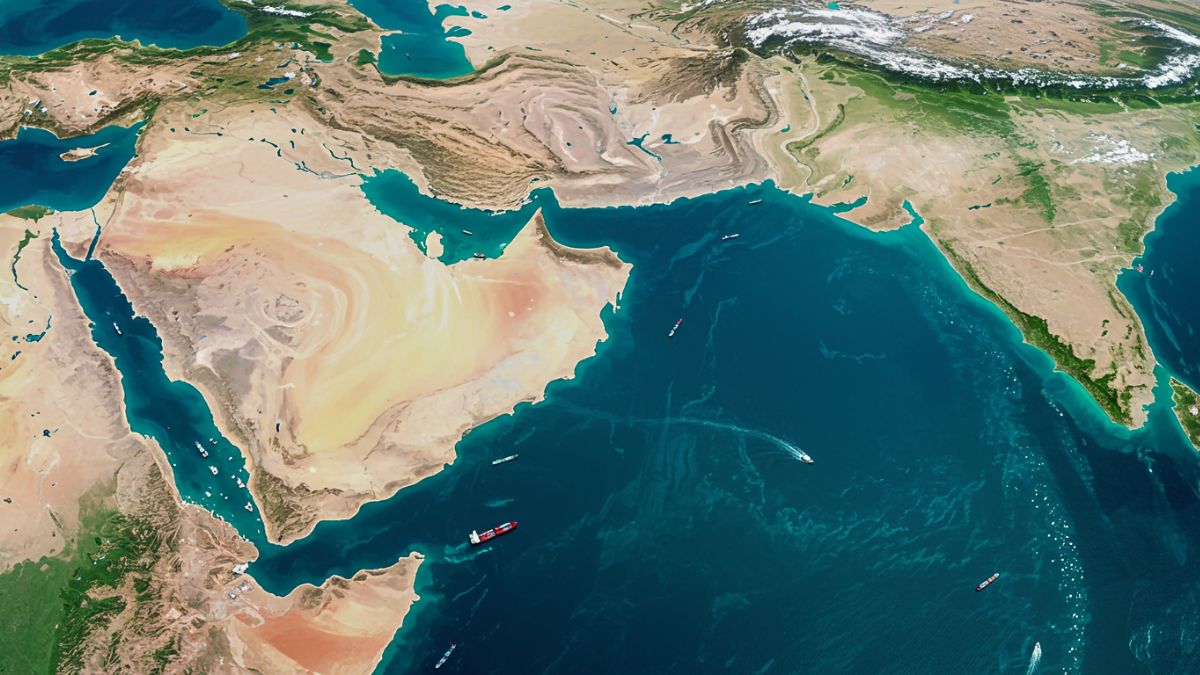
But the real danger sits in a narrow stretch of water. The Strait of Hormuz handles about one-fifth of global crude shipments. Iran controls one side of this vital chokepoint, and the waterway remains open but tense.
Iran’s main oil terminal is located at Kharg Island. This facility loads over 2 million barrels daily and stores tens of millions more. Iranian media reported an explosion rocked the island on Saturday, though details remain unclear.
China buys nearly 90% of Iran’s oil exports. Private Chinese refiners snap up the crude at steep discount prices. Any major disruption will hit Beijing’s energy supply hard.
Iran has previously threatened to close the Strait of Hormuz completely. This move would trigger a global supply crisis and block Saudi Arabia and Iraq from moving their crude. Tehran could also strike neighbors’ facilities like it did in 2019.
Oil prices have already jumped 19% this year due to war fears. Weekend trading data shows US crude spiking 12% to $75.33. Official markets open Monday with traders on edge.
Energy experts are watching for Iranian retaliation. Tehran could target Saudi oil plants or harass tankers with sea mines. The next 48 hours will decide if oil prices explode further or stabilize.



 Follow on Google News