

Oil prices reached their highest levels since October as tensions between the U.S. and Iran escalated. West Texas Intermediate (WTI) crude hit over $62 per barrel on Wednesday after a nearly 11% rally in five days.
Brent Crude, an international benchmark, climbed to $66.46, its highest point since late October 2025. Traders said the surge reflects concerns that U.S. military action could disrupt Middle East oil production.
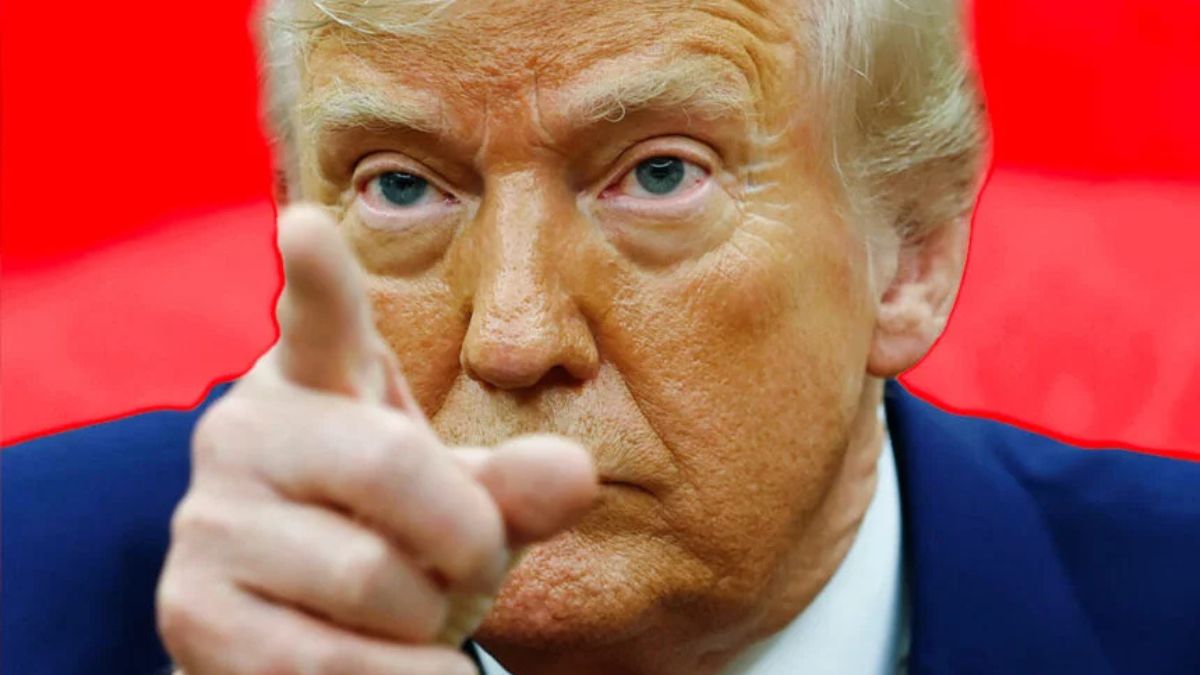
President Donald Trump intensified the situation by posting on Truth Social, urging Iranians to “KEEP PROTESTING” and “TAKE OVER YOUR INSTITUTIONS,” while canceling meetings with Iranian officials. He added, “HELP IS ON ITS WAY.”
Iran responded by warning neighboring countries hosting U.S. troops that it would retaliate if the U.S. strikes Iran, Reuters reported. The remarks have heightened fears of supply disruptions.
Iran currently produces 3.5 million barrels per day, making it the third-largest producer in the Middle East behind Saudi Arabia and the UAE. Its oil contributed to 26.5% of global energy supply in 2023, according to the International Energy Agency.
The country has seen widespread protests after the rial’s collapse in December, with demonstrators opposing the government and rising prices for essentials like cooking oil, dairy, and meat. The unrest has resulted in thousands of deaths over the past two weeks.
Trump has also threatened a 25% tariff on countries doing business with Iran and has considered other measures, including sanctions and online campaigns to support anti-regime movements.
Despite the spike in crude prices, GasBuddy projects that U.S. gas prices will fall below $3 per gallon by the end of 2026, following a brief rise in the spring.
The situation remains volatile, with global oil markets closely watching developments in U.S.-Iran relations.



 Follow on Google News