
On January 14, 2026, President Donald Trump said he was informed “on good authority” that the Iranian government had stopped killing protesters and had “no plans” for executions.
Trump made the comments at the White House, saying “we’ve been told that the killing in Iran is stopping—it’s stopped—it’s stopping. And there’s no plan for executions.”
When asked about US military action, Trump said, “We’re going to watch and see what the process is,” noting that his administration is monitoring whether Tehran follows through on its assurances.
These statements come after Trump previously warned on Truth Social that Iranian protesters would receive “help” and that the regime would pay a “very big price” if violence continued.
However, signals from Iran remain mixed. Judiciary chief Gholamhossein Mohseni-Ejei recently suggested that trials and executions for detained protesters should be fast-tracked. Iranian Foreign Minister Abbas Araghchi, on the other hand, denied plans for any immediate executions.
The family of 26-year-old Erfan Soltani, reportedly the first protester sentenced to death, said his execution has been postponed, though no official reason was given.
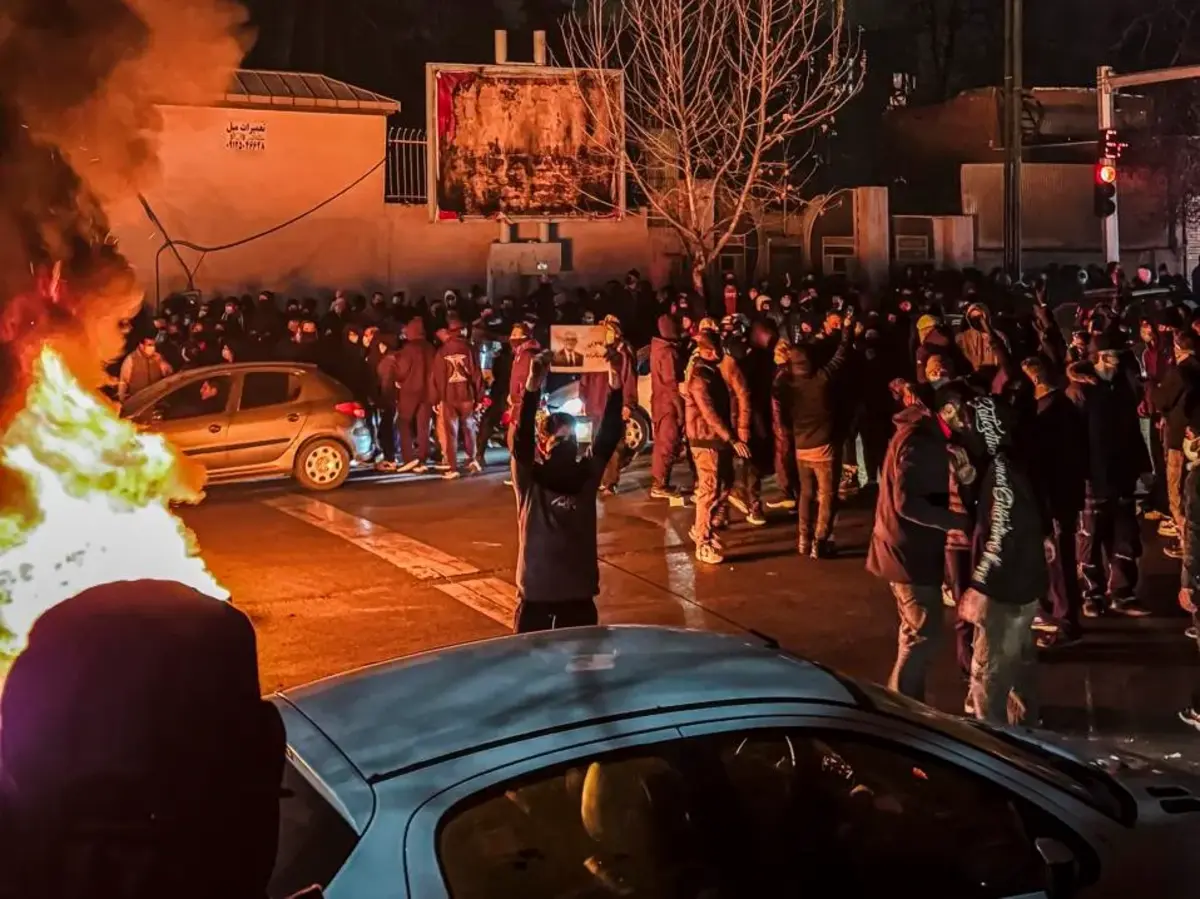
Independent human rights groups paint a grimmer picture. Estimates of deaths vary due to an internet blackout, ranging from 1,850 to 3,400 confirmed, with some reports suggesting up to 20,000. Allegations include the use of live ammunition and heavy machinery against protesters in cities such as Tehran, Rasht, and Karaj.
The situation remains tense. Iran has closed its airspace repeatedly, and some US and UK personnel have been advised to take precautions. The US has also requested an emergency UN Security Council meeting to address the crisis.