
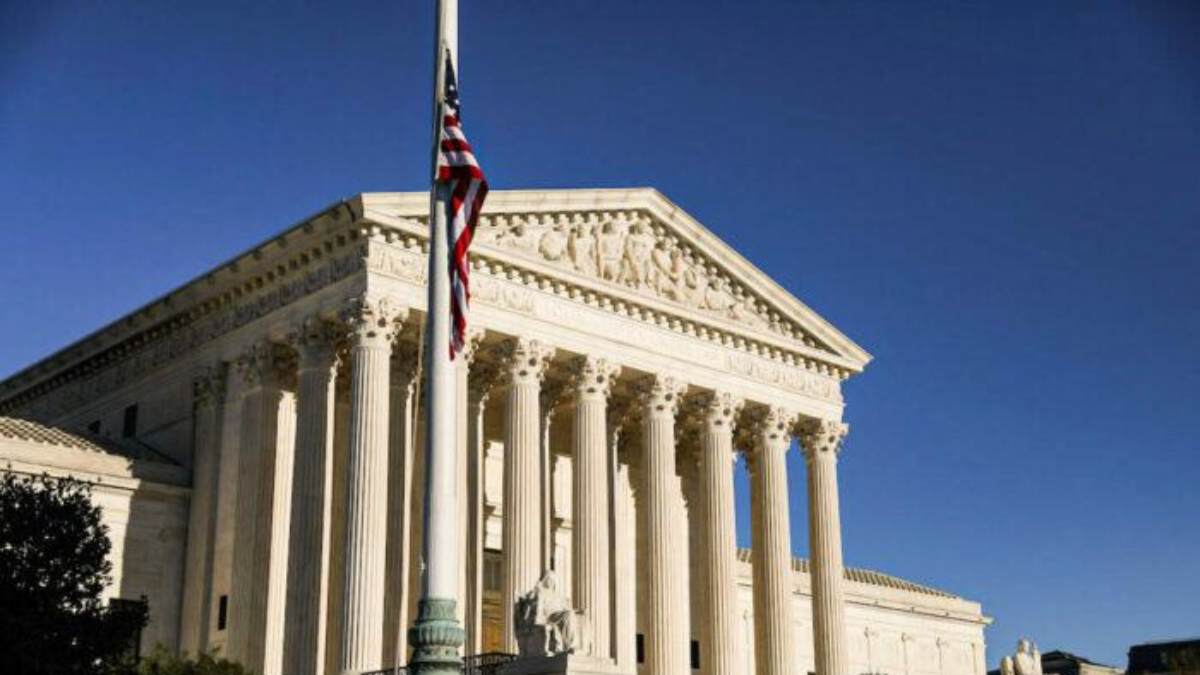
The Supreme Court has struck down President Donald Trump’s tariffs imposed under the 1977 International Emergency Economic Powers Act (IEEPA). In a 6-3 ruling, the Court said the law does not give the President authority to impose broad tariffs. Justices Kavanaugh, Thomas, and Alito dissented.
The case was brought by small businesses and several states, including Costco, who argued that IEEPA was meant for sanctions and emergency measures—not for collecting taxes through tariffs. The Court agreed, noting that the Constitution grants Congress sole power to levy tariffs.
Trump had used IEEPA to impose “reciprocal” tariffs on multiple countries, citing trade deficits and, later, fentanyl trafficking. The ruling calls these measures unlawful, though it does not yet clarify whether importers are entitled to refunds. Economists estimate more than $175 billion was collected under these tariffs.
The Court said IEEPA authorizes the President to “regulate” transactions, but that does not include taxing imports. It also noted that no previous president had used the statute to impose tariffs in nearly 50 years.
The ruling may trigger refund lawsuits in U.S. trade courts, while procedural and legal hurdles could make repayment complex. Justice Kavanaugh warned the decision could create a “mess” of practical consequences.
Trump called the ruling a “disgrace” and told governors he has a “backup plan,” though no details were provided. Analysts note the administration could pursue other tariff tools, including sectoral tariffs or temporary measures under the 1974 Trade Act.
Despite the setback, financial markets may see minor relief for equities, though uncertainty around trade and refunds could linger.