

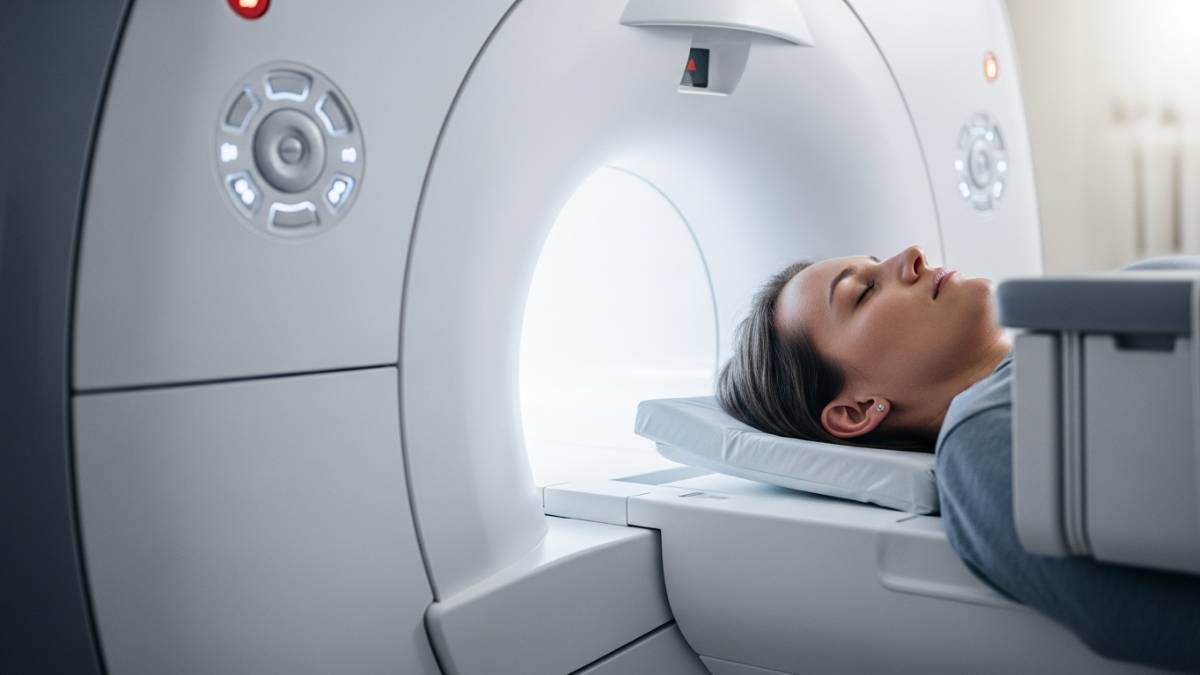
Researchers in the United States have used MRI scanners to study what happens in the brain during orgasm, as part of a scientific effort to better understand sexual pleasure. The work was led by Rutgers University professor Barry Komisaruk and sex therapist Nan Wise in the early 2010s.
In the study, women volunteered to undergo brain scans while stimulating themselves to orgasm inside an MRI machine. The scans allowed researchers to observe changes in brain activity in real time, while participants were required to remain as still as possible.
The results showed that multiple regions of the brain become highly active as orgasm approaches. Signals from nerves in the pelvic region were found to trigger a cascade of responses in the brain, involving areas linked to sensation, emotion, and reward.
The researchers also observed the release of chemicals such as dopamine and oxytocin, which are associated with pleasure and bonding. Physical responses, including increased blood pressure and changes in pupil size, were recorded during climax.
One key finding suggested that orgasm can significantly reduce the perception of pain, in some cases by up to 50%. The study also found heightened sensitivity to touch, reflecting increased activity in sensory regions of the brain.
Komisaruk and Wise say the research could have practical benefits. By understanding how the brain responds during orgasm, they hope to help people who have difficulty achieving sexual pleasure, a problem estimated to affect a large proportion of women.