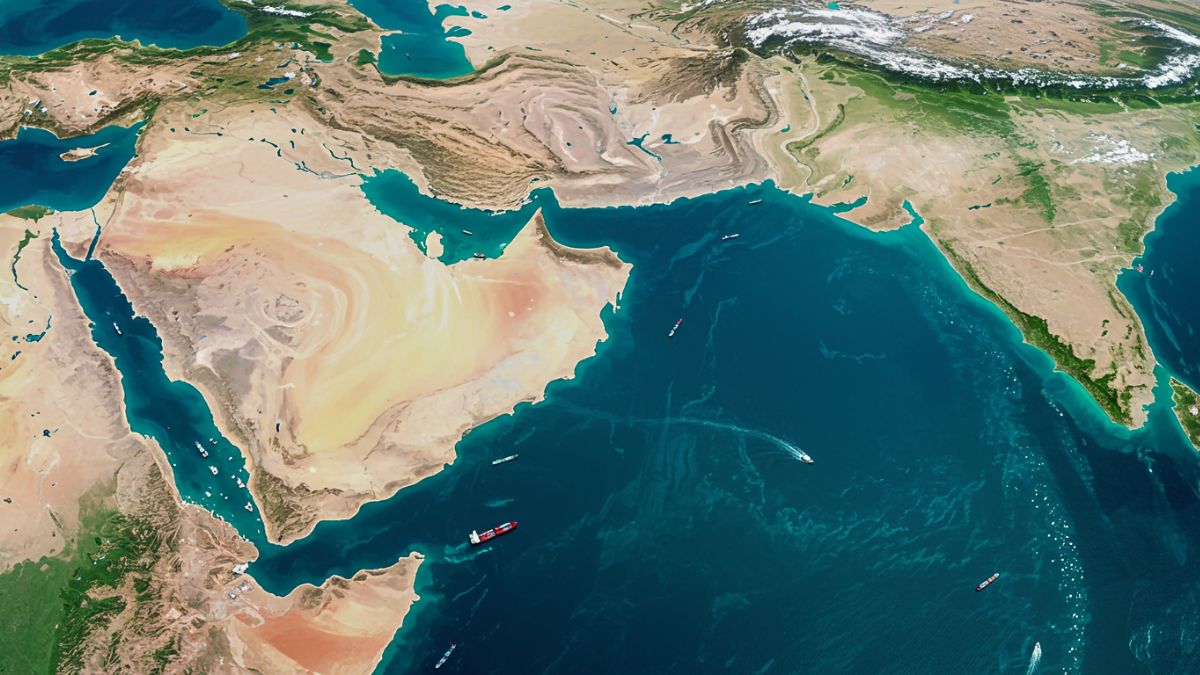

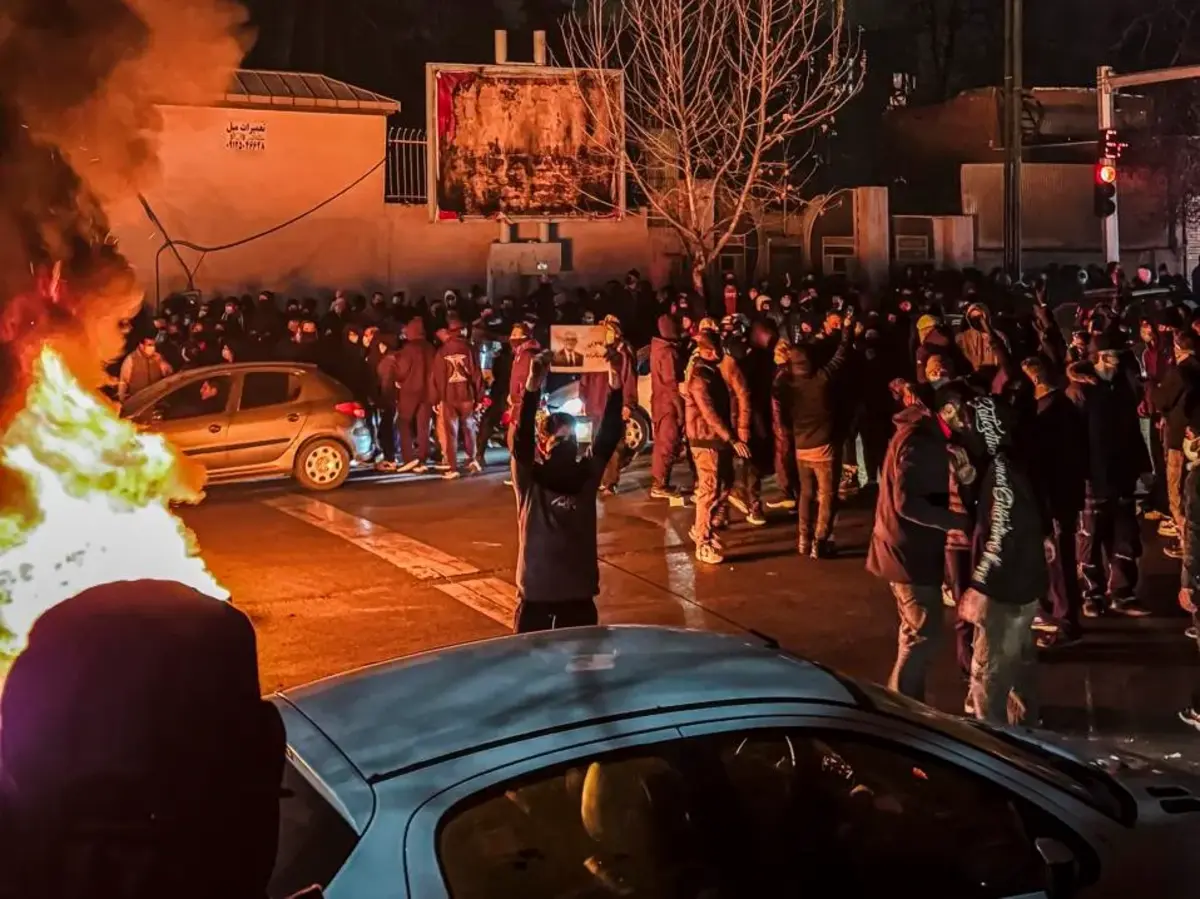
Iran is facing a severe humanitarian and geopolitical crisis as protests spread nationwide after the collapse of the rial. Violence has escalated, and the United States is signaling it may take direct action.
As of Monday morning, at least 538 people have been killed, according to the Human Rights Activists News Agency (HRANA). The dead include 490 protesters and 48 security personnel. More than 10,600 people have been arrested.
Iran has been under a near-total internet blackout for 72 hours, starting January 8. The shutdown has limited information from inside the country. Some reports say the real death toll could be much higher, possibly in the thousands.
President Donald Trump said the U.S. is considering “very strong options,” including military strikes, cyber operations, and tougher sanctions. He is scheduled to meet with senior Cabinet and military leaders on Tuesday, January 13, to decide next steps.
Trump also said he is discussing the use of Starlink satellite internet with Elon Musk. The goal is to bypass Iran’s blackout and restore communication for protesters.
Iranian leaders have issued sharp warnings. Parliament Speaker Mohammad Baagher Qalibaf said any U.S. strike would trigger immediate attacks on American bases and Israel. The government has also called for nationwide pro-government rallies.
Iran’s Attorney General warned protesters could be charged as Moharebeh, or “enemies of God,” a crime that carries the death penalty. Human rights groups fear large-scale executions.
Global concern is growing. The United Nations urged Iran to show restraint, while Israel has placed its military on high alert, warning that U.S. involvement could spark a wider regional conflict.