
Iran has granted safe passage to Bangladeshi tankers carrying oil and LNG through the Strait of Hormuz.
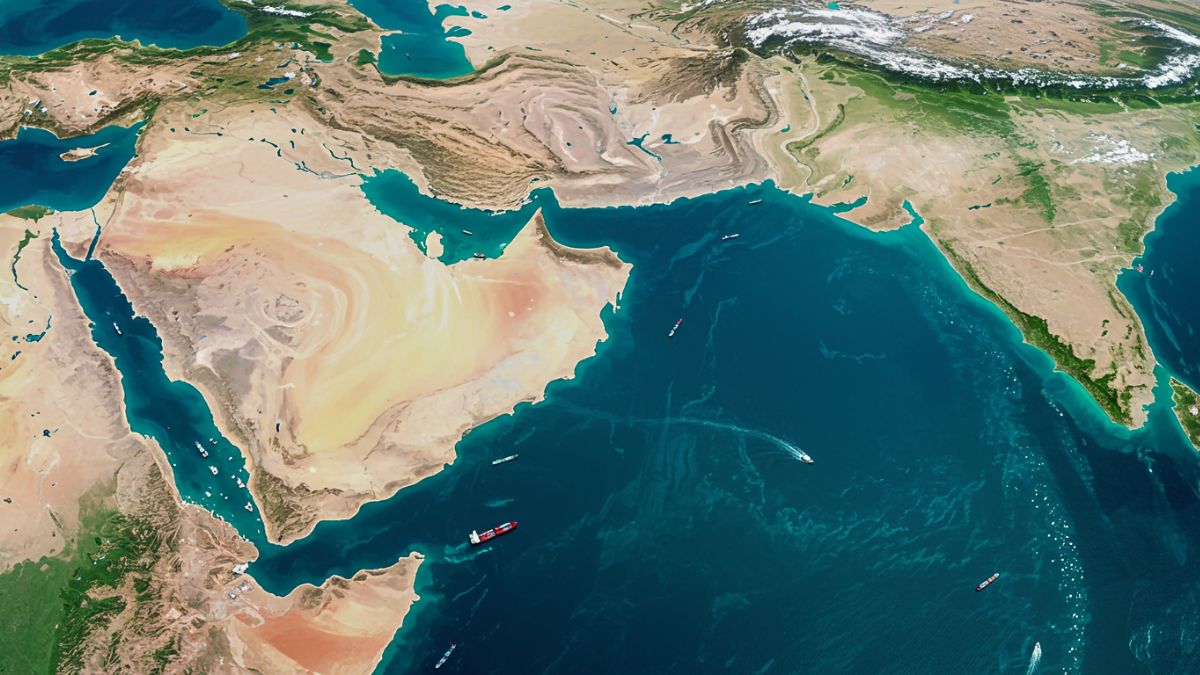
The move comes as the strategic waterway, which handles nearly 30% of global maritime oil trade, faces heightened volatility following regional military tensions in late February and early March 2026.
Under the agreement, Bangladeshi vessels must notify Iranian authorities before entering the strait. While Iran has restricted U.S. and Israeli-linked ships, Bangladeshi-flagged vessels are considered neutral and protected. A dedicated communication channel has also been set up to coordinate their movement.
The assurance is a relief for Bangladesh’s energy sector. Daily diesel consumption is around 12,000 tons, but supply had fallen to 9,000 tons due to shipping uncertainties. Officials say the deal will help maintain the 16-day emergency fuel buffer and prevent shipments from being stranded.
Some tankers have already arrived or are en route. A Singaporean vessel carrying 27,000 tons of diesel reached Chattogram Port on Monday, while four more ships carrying 120,000 tons are expected by week’s end. The government is also planning to secure an additional 300,000 tons from other suppliers.
The Strait of Hormuz became tense after Iranian infrastructure strikes on February 28, causing traffic delays and higher insurance costs. Bangladesh’s neutral stance has allowed it to bypass restrictions that affect Western-aligned shipping.
China and India have offered support to Bangladesh for emergency fuel supplies if conditions in the Gulf worsen.
The agreement marks a significant step in safeguarding Bangladesh’s energy security during a period of heightened regional risk.






 Follow on Google News