
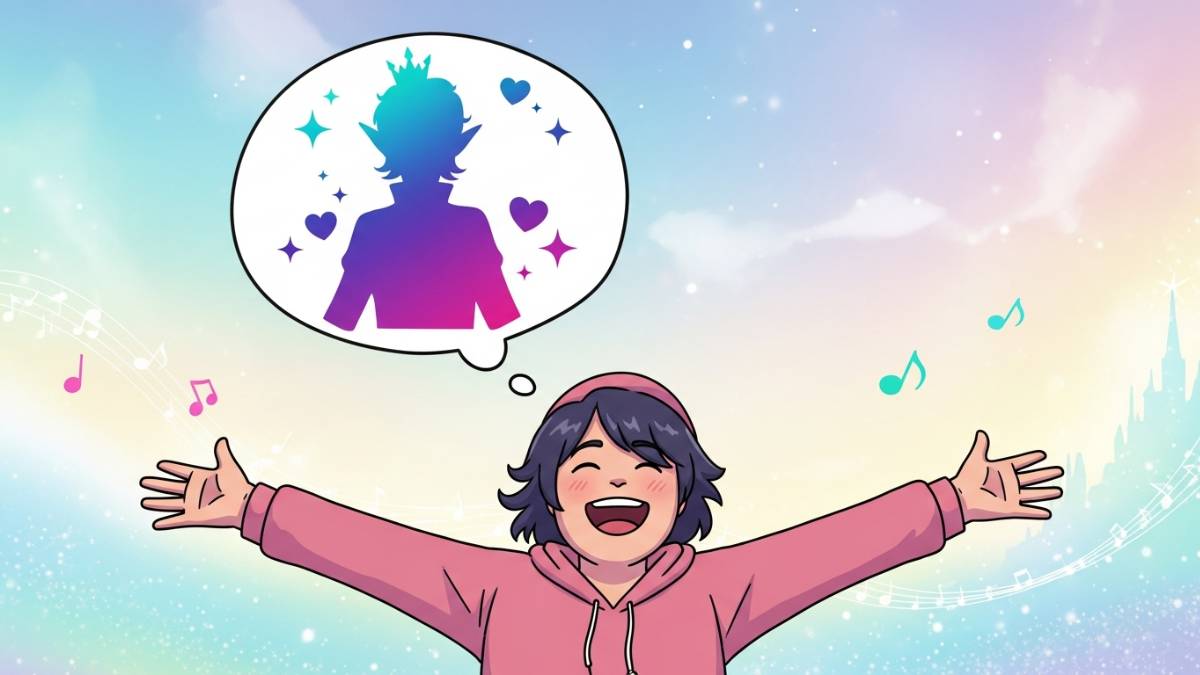
A growing number of people are falling in love with fictional characters, a trend known as fictosexuality. While many of us may fantasize about characters like Mr. Darcy, Heathcliff, or even animated figures like Lola Bunny, some fictosexuals form deep emotional or romantic attachments that feel very real.
Therapist and gender expert Rebecca Minor told Cosmopolitan that:
“Fictosexuality is a sexual orientation where someone feels drawn—emotionally, romantically, or sexually—to fictional characters, sometimes more than they do to real people.”
Real-Life Examples
One well-known case is Akihiko Kondo, who married a holographic pop star, Hatsune Miku, in 2018. Using a subscription device, he spent $15,000 to legally wed a virtual AI.
Kondo explained that marrying Miku gave him security and companionship he could not find with a human partner:
- She would always be there for him
- She would never betray him
- He would never see her get sick or die
Why Fictosexuality Appeals
Researcher Agnès Giard from the University of Paris Nanterre says fictional characters are appealing because they cannot reject the person.
- Relationships are predictable: The character’s backstory is fixed.
- They allow people to explore identity, gender, and social norms.
- Ending a relationship is simple: just close the book or stop playing the game.
Challenges of Virtual Love
Even the most carefully planned virtual relationships can fail. For example, Kondo lost access to Miku when the company running the hologram collapsed in 2025, leaving him alone despite years of devoted companionship.
In Short
Fictosexuality is a genuine orientation, where people feel meaningful, real emotions toward fictional characters. Modern technology has made these relationships more visible, but they also come with unique challenges, as digital connections can disappear unexpectedly.
While it may seem unusual to outsiders, for many fictosexuals, their attachments are just as real as any human relationship.