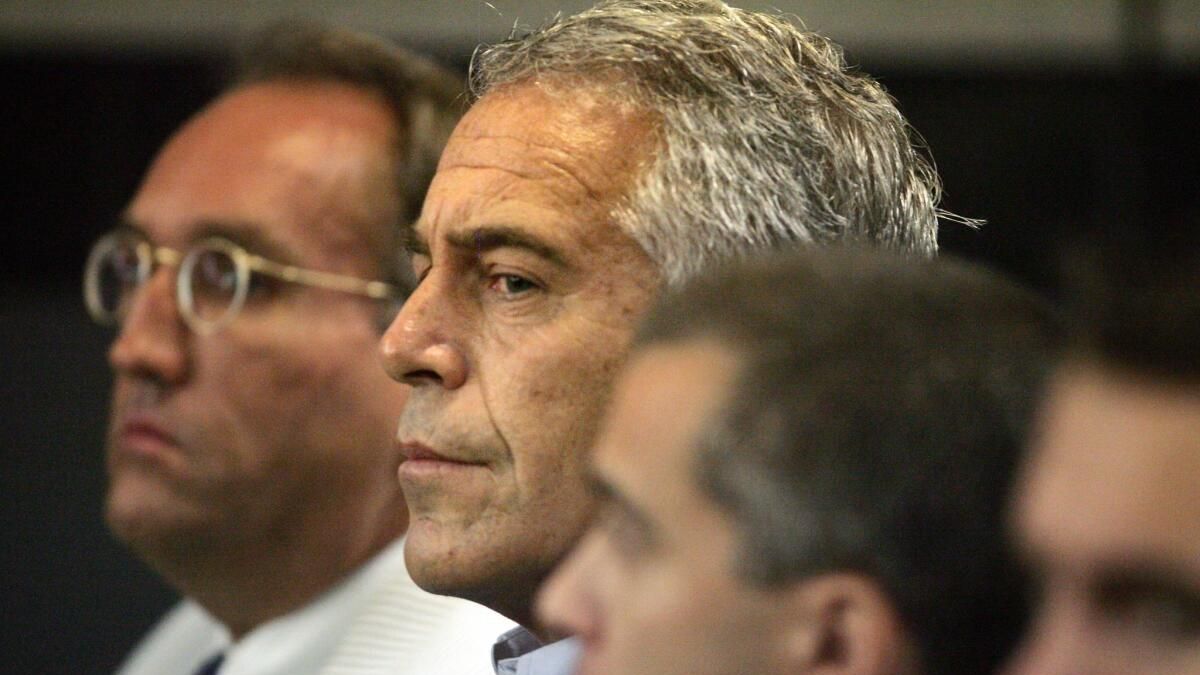

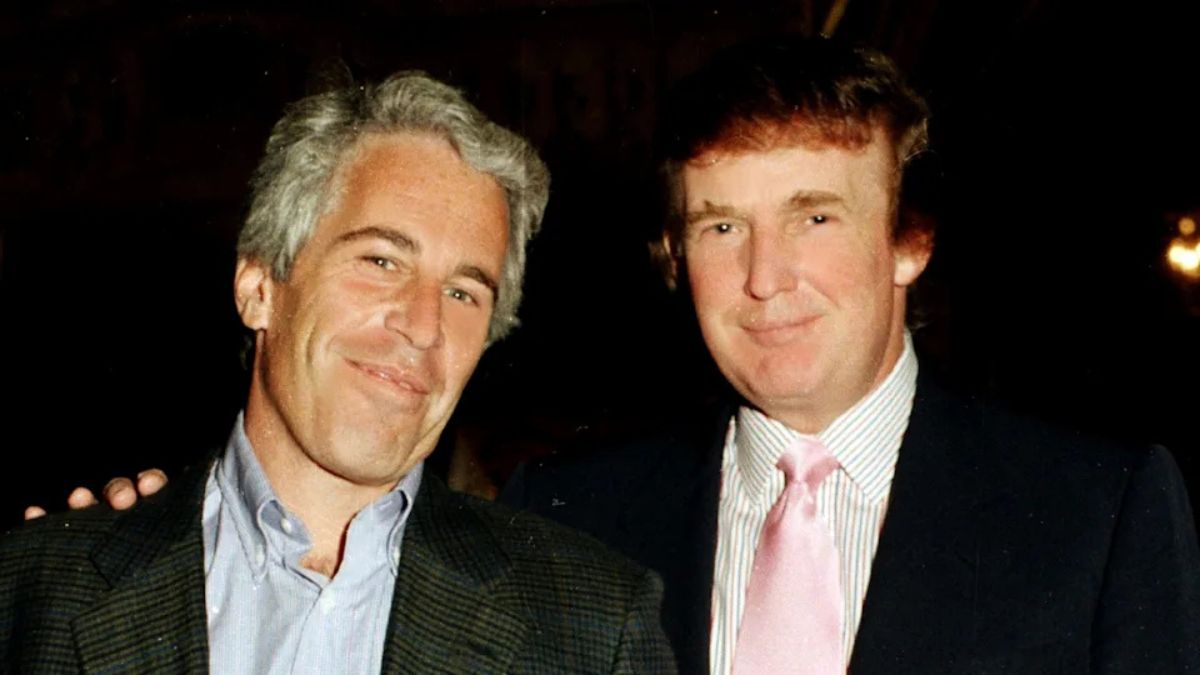
The U.S. Department of Justice (DOJ) briefly removed a catalog entry from its public “Epstein Library” online repository that referenced unreleased FBI files involving allegations against President Donald Trump. The entry, spotted missing on February 19, 2026, was restored later the same day without any official explanation.
The record summarized multiple FBI interviews from 2019 with a woman who accused Trump of sexual assault when she was 13 to 15 years old. The interviews were part of the materials provided to Ghislaine Maxwell’s 2021 federal trial defense. Some interviews, including one from October 16, 2019, lack detailed notes in the public record.
Independent journalist Roger Sollenberger reported the disappearance on his Substack. He noted the accuser’s attorney had instructed the FBI to discuss only Epstein-related matters, citing fear of retaliation. The interviews were considered credible enough to feature in an internal FBI presentation but have not led to any public DOJ action regarding Trump.
The removal sparked scrutiny amid the Epstein Files Transparency Act, passed in November 2025, which requires the DOJ to release Epstein-related materials to the public. So far, over 3.5 million pages, videos, and images have been made available. Some releases previously included unverified claims about Trump, which the DOJ has called false.
Attorney General Pam Bondi has stressed that the files contain no evidence implicating Trump in Epstein’s crimes, while defending redactions to protect victims or legal privileges. The temporary takedown follows similar instances earlier in February when documents were removed for review.
Critics argue the incident fuels concerns about selective editing or shielding powerful figures. Supporters of the DOJ point to the overall volume of publicly released materials and the absence of corroborated evidence against Trump.
Observers say the episode highlights the tension between transparency and privacy in politically sensitive cases. The underlying unreleased FBI files remain confidential, and the DOJ has not commented on the specific removal or restoration.