

YouTube creators can earn money from ads, YouTube Premium, channel memberships, Supers, Shopping, and sponsorships. But there is no fixed “YouTube pays X per view” rate.
The most accurate way to understand creator earnings is through RPM — Revenue Per Mille — which shows how much a creator earned per 1,000 views after YouTube’s revenue share. YouTube says RPM includes revenue sources such as ads, memberships, YouTube Premium, Super Chat, and Super Stickers.
Step 1: Understand YouTube Partner Program Eligibility
To earn ad revenue directly from YouTube, creators usually need to join the YouTube Partner Program.
YouTube says channels can become eligible with either:
- 1,000 subscribers + 4,000 valid public watch hours in the last 12 months, or
- 1,000 subscribers + 10 million valid public Shorts views in the last 90 days.
Meeting the numbers does not guarantee approval. YouTube reviews channels for policy compliance before accepting them into the program.
Step 2: Know the Main Ways Creators Earn
YouTube creators can earn from several sources:
| Revenue Source | How It Works |
|---|---|
| Watch Page Ads | Ads on long-form videos and livestream watch pages |
| Shorts Feed Ads | Revenue from ads shown between Shorts |
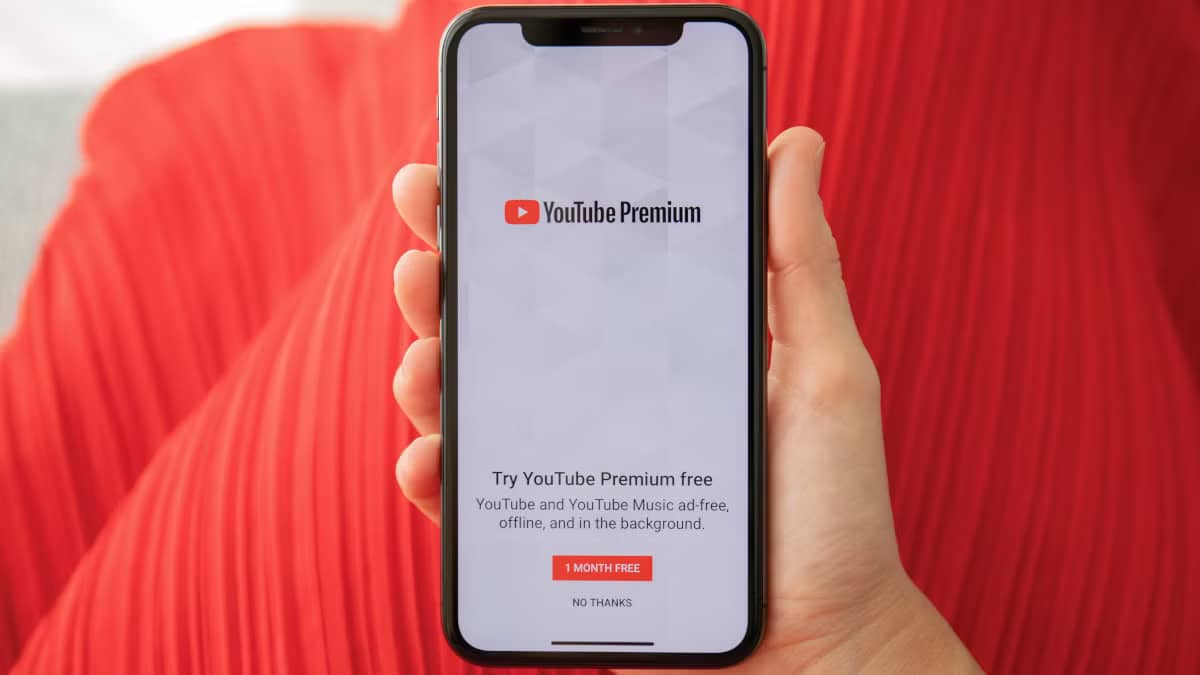
| YouTube Premium | Revenue from Premium viewers watching your content |
| Channel Memberships | Fans pay monthly for perks |
| Super Chat / Super Stickers / Super Thanks | Fans pay to support creators |
| Shopping / Affiliate Links | Creators earn from product sales or commissions |
| Sponsorships | Brands pay creators directly, outside YouTube |
YouTube states that creators can earn from ads and other monetization features such as memberships, Shopping, Supers, and Premium subscriptions.
Step 3: Understand YouTube’s Revenue Share
YouTube’s revenue share depends on the monetization feature.
| Feature | Creator Share |
|---|---|
| Watch Page Ads | 55% of net ad revenue |
| Shorts Feed Ads | 45% of allocated Shorts Creator Pool revenue |
| Memberships, Super Chat, Super Stickers, Super Thanks | 70% of net revenue |
YouTube says Watch Page Ads pay creators 55% of net revenue, Shorts Feed Ads pay 45% of the revenue allocated from the Creator Pool, and fan funding features pay 70% of net revenue.
Step 4: Do Not Use CPM to Estimate Your Take-Home Earnings
Many creators confuse CPM and RPM.
| Metric | Meaning |
|---|---|
| CPM | What advertisers pay per 1,000 ad impressions before YouTube’s revenue share |
| RPM | What the creator earns per 1,000 views after YouTube’s revenue share |
YouTube says CPM reflects advertiser cost, while RPM reflects the creator’s actual revenue after YouTube’s share.
Simple Formula
Estimated earnings = views ÷ 1,000 × RPMExample:
100,000 views ÷ 1,000 × $3 RPM = $300 estimated revenueStep 5: Estimate Earnings by RPM
These are example calculations, not guaranteed rates.
| Views | $0.50 RPM | $2 RPM | $5 RPM | $10 RPM |
|---|---|---|---|---|
| 10,000 views | $5 | $20 | $50 | $100 |
| 100,000 views | $50 | $200 | $500 | $1,000 |
| 1,000,000 views | $500 | $2,000 | $5,000 | $10,000 |
A creator’s real RPM depends on audience location, topic, ad demand, video length, seasonality, Premium watch time, fan funding, and how many views are monetized.
Step 6: Understand Why Earnings Vary So Much
Two creators with the same number of views may earn very different amounts.
Common reasons:
- Some views do not show ads
- Advertiser demand changes by country
- Finance, software, business, and education topics may attract higher-value ads
- Entertainment and general Shorts may earn less per view
- Longer videos can include more ad opportunities
- Premium viewers generate revenue differently
- Some videos are limited or not advertiser-friendly
YouTube notes that not all views have ads, and CPM can change based on season, viewer geography, ad formats, and available advertisers.
Step 7: Understand Shorts Monetization
Shorts monetization works differently from long-form videos.
YouTube pools revenue from ads shown between Shorts in the Shorts Feed. That revenue is used to fund the Creator Pool and cover music licensing costs. Monetizing creators are then paid based on their share of eligible engaged Shorts views. Creators keep 45% of their allocated Shorts revenue.
Simple Shorts Example
Your Shorts get a share of total eligible engaged Shorts views.
YouTube allocates revenue from the Shorts Creator Pool.
You keep 45% of your allocated amount.
Shorts can generate large view counts, but RPM is often lower than long-form video because the ad system and revenue pool work differently.
Step 8: Check Revenue in YouTube Studio
Creators can check earnings inside YouTube Studio:
- Open YouTube Studio
- Go to Analytics
- Select Revenue
- Review RPM, estimated revenue, top-earning content, and revenue sources
YouTube says the Revenue tab shows how much a channel has earned, which revenue sources are most profitable, and which videos, Shorts, or livestreams earned the most.
Common Mistakes to Avoid
| Mistake | Why It Hurts |
|---|---|
| Assuming every view earns money | Not all views show ads |
| Using CPM as take-home pay | CPM is advertiser cost, not creator earnings |
| Expecting a fixed rate per view | YouTube earnings vary widely |
| Buying fake views or engagement | Can lead to removal from monetization |
| Reposting reused content | May violate monetization policies |
| Ignoring YouTube Studio data | RPM and revenue sources show what actually works |
| Relying only on ads | Sponsorships, memberships, and products can diversify income |
YouTube’s monetization policies say creators should not artificially inflate engagement such as views, subscribers, likes, watch time, or ad impressions.
What Can Reduce or Remove Earnings?
A video or channel may earn less if it has:
- Copyright claims
- Limited ads
- Invalid traffic
- Reused or mass-produced content
- Non-advertiser-friendly topics
- Policy violations
- Poor audience retention
- Low advertiser demand
YouTube says monetizing content should be original and authentic, and channels with mass-produced, repetitive, or reused content may lose monetization.
FAQ
How much does YouTube pay per 1,000 views?
There is no fixed amount. Use RPM to estimate earnings:
views ÷ 1,000 × RPM = estimated earningsRPM varies by channel, niche, country, audience, format, and monetization sources.
Is YouTube CPM the same as creator earnings?
No. CPM is what advertisers pay. RPM is closer to what creators actually earn after YouTube’s revenue share.
Do Shorts pay less than long-form videos?
Often, yes. Shorts use a pooled revenue model and creators receive 45% of their allocated Creator Pool revenue. Long-form Watch Page Ads use a 55% net revenue share.
Can creators make money before 1,000 subscribers?
Some features may be available through expanded YPP in eligible regions, but full ad revenue sharing generally requires the higher YPP eligibility threshold. Always check the Earn tab in YouTube Studio for your channel’s current options.
Do creators keep all sponsorship money?
Usually, sponsorships are negotiated directly between the creator and brand. YouTube ad revenue share does not automatically apply to off-platform brand deals, but creators must still follow YouTube policies and disclosure rules.
Final Takeaway
YouTube monetization is not based on one fixed pay-per-view number. Creators earn through RPM, ad revenue share, Premium revenue, Shorts revenue, memberships, Supers, Shopping, and sponsorships.
For the most realistic estimate, ignore viral “per-view” claims and use this formula:
views ÷ 1,000 × your actual RPM = estimated YouTube revenueThe best long-term strategy is to create original content, follow YouTube policies, track RPM in YouTube Studio, and build multiple income streams instead of relying only on ads.