
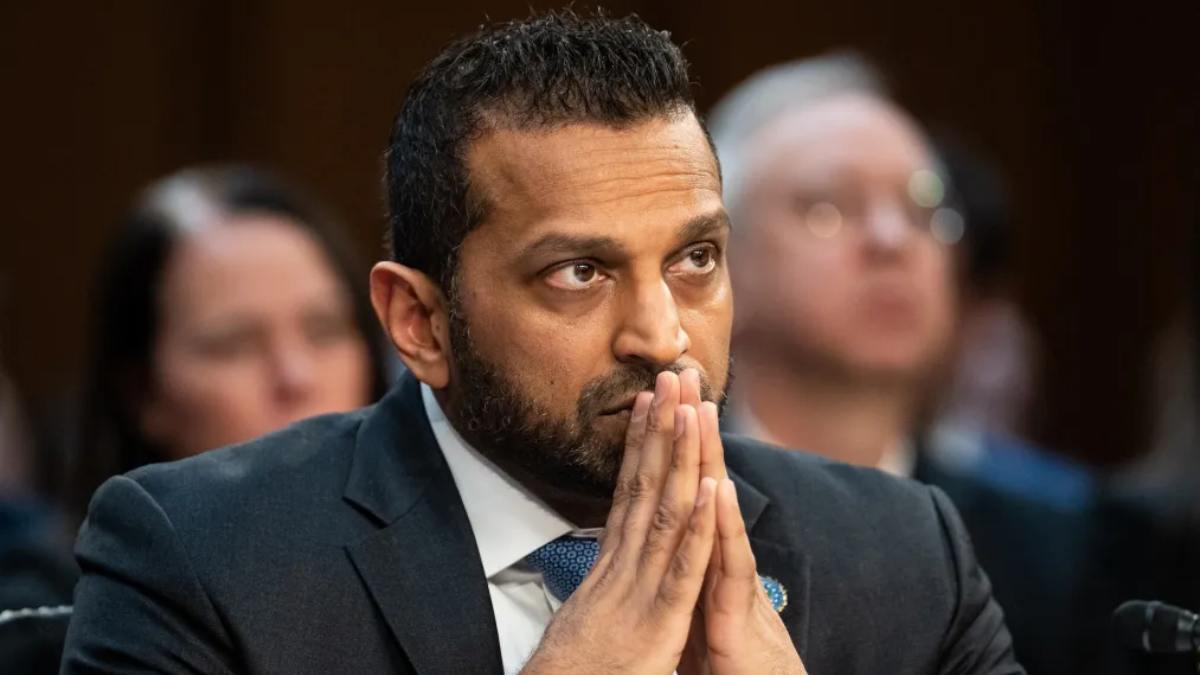
Hackers who breached an old personal email account belonging to FBI Director Kash Patel leaked a mix of photos, emails, and personal documents online.
U.S. officials confirmed the breach involved Patel’s personal account, not an FBI system. They also said the material was old, personal, and included no classified or government information.
1. Personal photos
The most widely shared part of the leak was a batch of personal photos.
Reports said the images showed Patel in casual situations, including:
- with cigars
- next to a vintage sports car
- beside a jet
- taking mirror selfies
- in restaurants and hotels
- with alcohol in some photos
Many of the pictures appeared to be years old.
2. Emails from an old Gmail account
The leak also included more than 300 emails from Patel’s personal Gmail account.
Most of the messages were reportedly sent between 2010 and 2019, though a few may have been from later years.
The emails were said to cover normal personal and career-related matters, including:
- travel bookings
- apartment hunting
- job applications
- networking messages
- general personal correspondence
Reports said the emails did not contain current FBI work or classified material.
3. Personal documents
Hackers also posted documents linked to Patel’s earlier career and personal life.
These reportedly included:
- an older resume
- travel records
- receipts
- attachments tied to past trips
- other personal or work-related files
Some reports said one resume version listed his personal email address.
What was not found
The hackers claimed they had access to much more, including confidential and classified files.
But according to U.S. officials, the released material:
- involved no classified information
- included no government data
- came from an old personal inbox
- did not show a breach of FBI systems
Why it matters
So far, the leak looks more like a case of personal exposure than a major security disaster.
It revealed private details from Patel’s past, but there is no evidence that current FBI operations or national security information were exposed. The biggest impact appears to be embarrassment, not damage to government systems.







 Follow on Google News