
Iran’s Islamic Revolutionary Guard Corps (IRGC) has announced that any Arab or European country expelling the ambassadors of the United States and Israel will receive free and unrestricted passage for its ships through the Strait of Hormuz. The policy is set to take effect tomorrow.
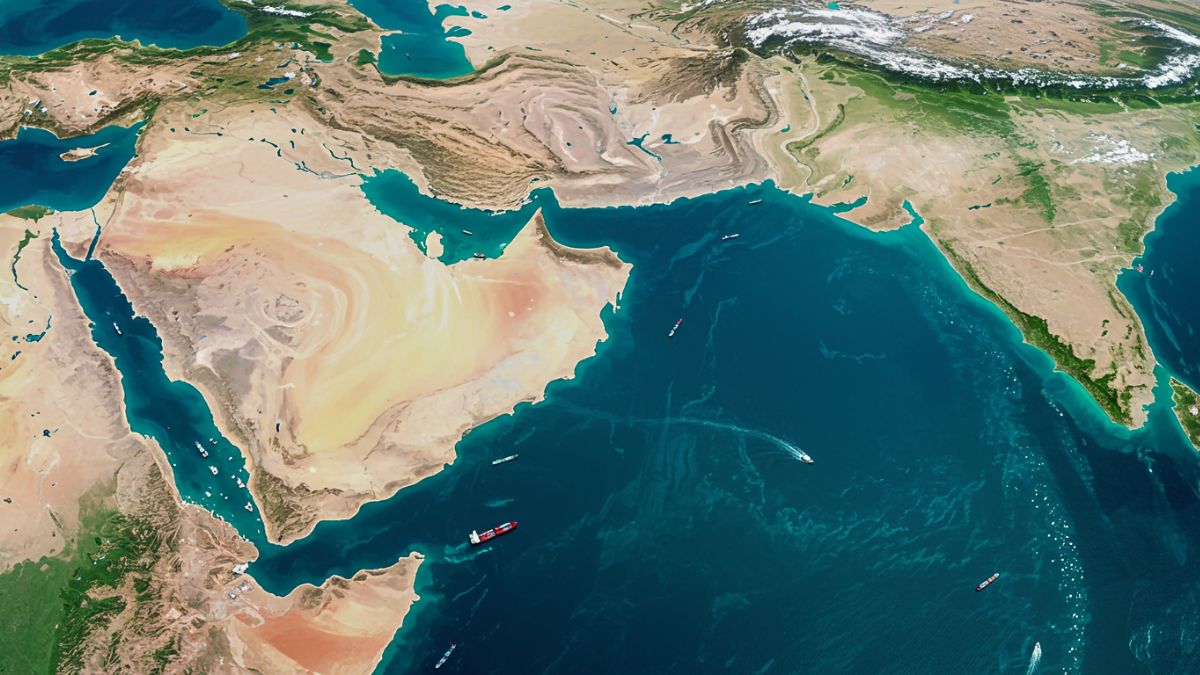
The announcement comes amid ongoing regional conflict, where shipping through the Strait—one of the world’s most important energy routes—has dropped sharply. Around 20% of global seaborne oil and significant amounts of liquefied natural gas pass through the waterway, and disruptions have pushed oil prices above $100 per barrel in some markets.
Reports indicate that the IRGC’s statement was shared widely on social media and through news aggregators, though Iranian state media have not formally confirmed it. The move seems aimed at pressuring Arab and European nations to distance themselves from Washington and Tel Aviv during ongoing military exchanges in the region.
Earlier, Iran had restricted or barred passage for ships linked to the US, Israel, Europe, and allied countries, while reportedly allowing select Chinese and Russian vessels to pass. Maritime security remains fragile, with drone strikes and warnings against non-compliant ships creating a near-halt in commercial traffic.
Analysts say Iran’s offer is both a diplomatic and economic tactic, targeting energy-dependent European countries that are facing rising fuel costs. Gulf nations are also under pressure after Iranian missile and drone attacks on infrastructure.
As of early March 10, no Arab or European government has publicly responded to the IRGC’s proposal. The US and Israel continue military operations, and President Trump has signaled that the US Navy may escort commercial vessels to keep the strait navigable.
The Strait of Hormuz remains a critical flashpoint, with the IRGC’s latest move potentially widening divisions among international allies. Shipping firms and authorities continue to advise extreme caution in the Persian Gulf region.





 Follow on Google News