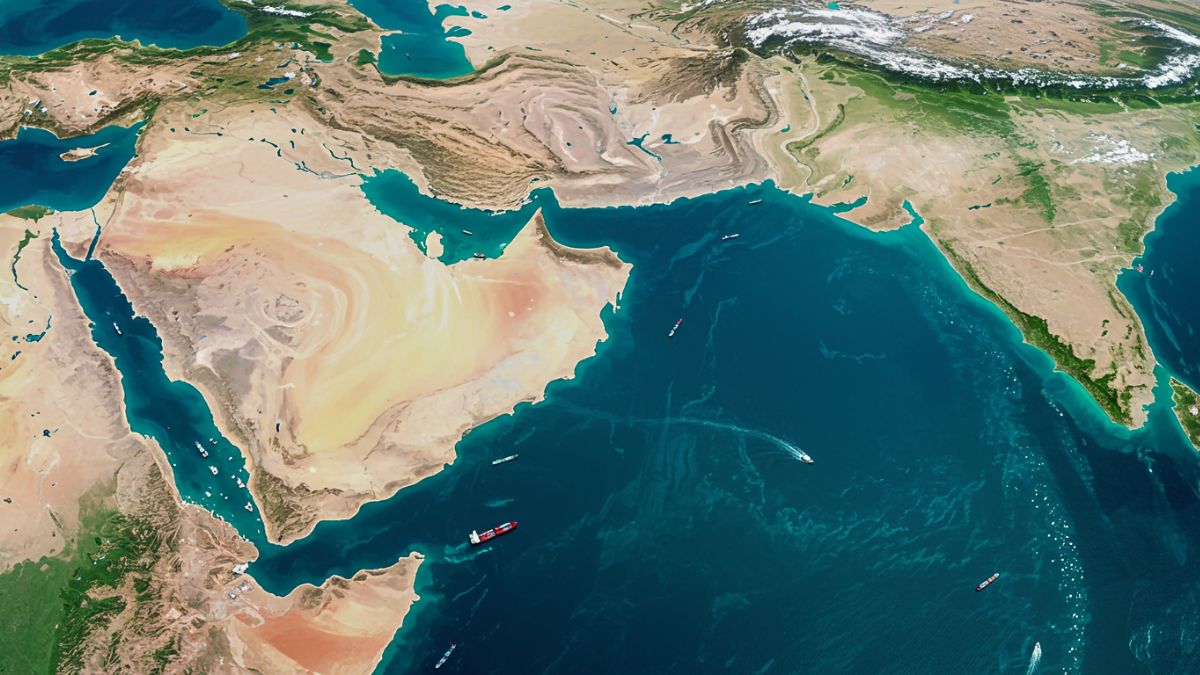

In a dramatic escalation of the ongoing U.S.-Israeli campaign against Iran, Tehran has carried out missile and drone attacks—either directly or through falling debris from interceptions—impacting sites in at least 10 to 12 countries across the Middle East and beyond.
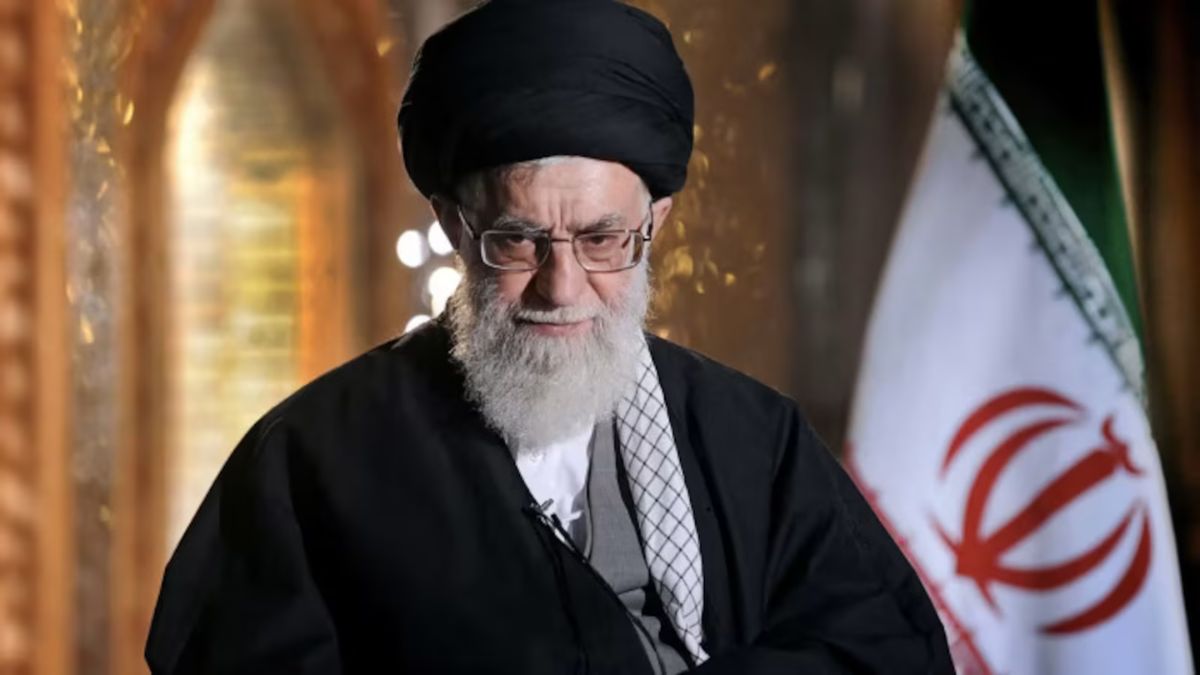
These strikes, described by Iranian officials as responses to the February 28 joint U.S.-Israeli operation “Epic Fury” that killed Supreme Leader Ayatollah Ali Khamenei and targeted nuclear, missile, and military infrastructure, have targeted U.S. military assets, allied territories, and in some cases civilian areas.
Reports from multiple sources, including U.S. Central Command (CENTCOM), regional governments, and international media, confirm Iranian ballistic missiles and drones launched toward:
- Israel — Multiple barrages struck population centers, including Beit Shemesh (killing at least nine), Tel Aviv, Jerusalem, Haifa, and Bnei Brak, causing civilian casualties and damage despite heavy interceptions.
- United States (and its bases/personnel) — Attacks hit or approached U.S. facilities across the region, resulting in at least three U.S. troops killed (in Kuwait or Bahrain) and others wounded.
- United Arab Emirates — Strikes on Dubai (including Dubai International Airport, Palm Jumeirah landmarks like Burj Al Arab and Palm Hotel, and ports), Abu Dhabi, and U.S. bases like Al Dhafra Air Base; civilian deaths and injuries reported from direct hits or debris.
- Saudi Arabia — Missiles targeted areas including Riyadh and Prince Sultan Air Base (hosting U.S. forces); interceptions reported, with some civilian impacts.
- Qatar — Barrages aimed at Al Udeid Air Base (largest U.S. base in the region) and Doha; explosions heard, injuries from debris, most intercepted.
- Kuwait — Attacks on Ali al-Salem Air Base and other sites; interceptions, but damage and injuries noted.
- Bahrain — Strikes near U.S. Fifth Fleet headquarters in Manama and civilian areas; smoke from intercepts and hits reported.
- Jordan — Missiles toward Muwaffaq al Salti Air Base; interceptions, limited reported damage.
- Iraq — Targets included U.S. positions in Erbil (airport and bases); intercepts and some impacts.
- Oman — Reports of drone or missile activity, including near Duqm port infrastructure.
- Syria — Incidents of missiles or debris crashing in southern areas (possibly en route to Israel), causing casualties in Sweida.
Additional claims from social media and some unverified reports extend the list to include indirect or near-miss incidents involving:
- Cyprus — UK Defense sources initially reported two missiles fired toward British bases (e.g., RAF Akrotiri), but Cypriot officials denied direct targeting, and no confirmed impacts occurred.
- France — References to Camp de la Paix (a French facility in the UAE), potentially affected by broader UAE strikes.
- Italy — Alleged strike near Italian troops at a NATO-related site in Kuwait (Ali al-Salem Base area).
- United Kingdom — Proximity threats to bases in Cyprus, with UK forces downing drones defensively earlier.
While Iran’s Islamic Revolutionary Guard Corps (IRGC) has claimed strikes on “all Israeli and U.S. military targets” and vowed continuation until “the enemy is defeated,” the exact count of 15 countries appears inflated in some online posts, blending confirmed hits, interceptions, debris fallout, and unverified claims. Credible outlets (e.g., Al Jazeera, BBC, Reuters, NYT) consistently report 8–10 primary targeted nations, primarily those hosting U.S. bases in the Gulf plus Israel.
The Gulf Cooperation Council (GCC) strongly condemned the attacks as violations of sovereignty. Regional airspace remains disrupted, with closures over multiple countries, flight cancellations, and oil market volatility. U.S. President Donald Trump has vowed to “avenge” U.S. casualties and continue operations until Iran’s missile and nuclear threats are eliminated.
As the conflict enters its fifth day, fears of broader escalation—including potential Strait of Hormuz disruptions—persist, with international calls for restraint amid rising civilian tolls and humanitarian concerns.