
Mexican authorities have killed Nemesio Oseguera Cervantes, known as “El Mencho,” the leader of the Jalisco New Generation Cartel (CJNG). He was 59 years old and carried a $15 million bounty.
El Mencho was wounded during a firefight in Tapalpa, Jalisco, on February 22, 2026. He was captured alive but died on a helicopter flight to Mexico City. The Mexican government called the operation a major victory.
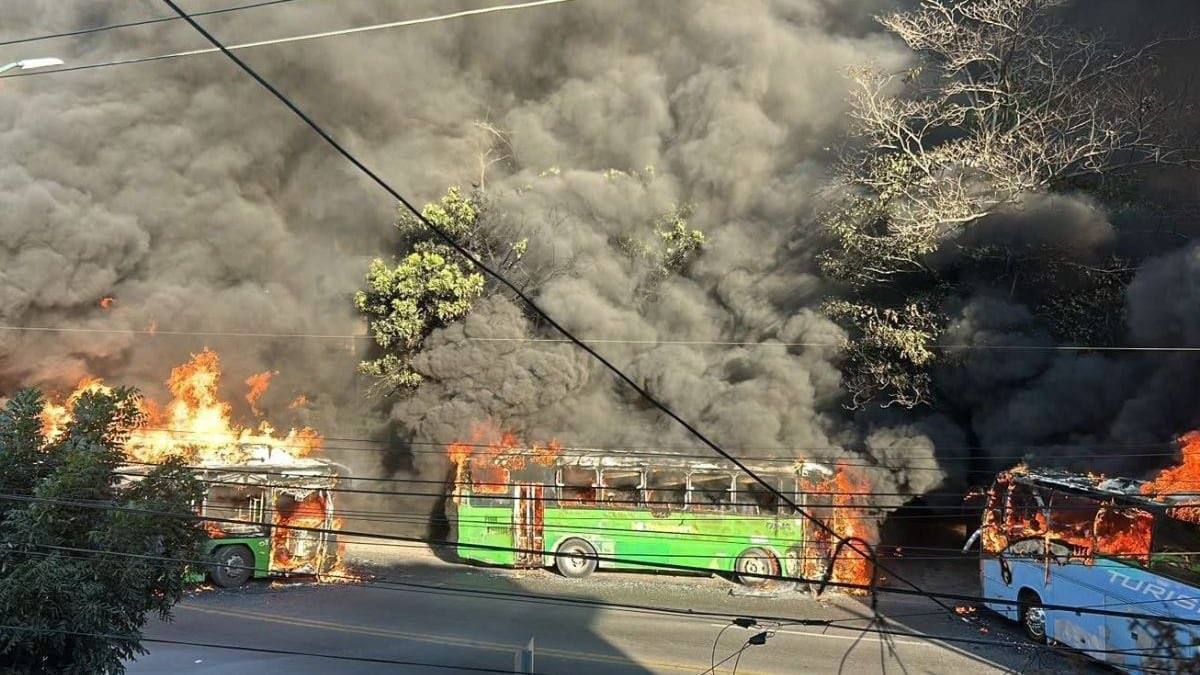
CJNG retaliated immediately. Within hours, cartel members set fires, blocked roads, and attacked cities across five states: Jalisco, Nayarit, Guanajuato, Michoacán, and Tamaulipas. Smoke and chaos disrupted airports, highways, and shopping centers.
Born in Aguililla, Michoacán, in 1966, El Mencho rose from poverty to lead one of the world’s most dangerous drug empires. He spent time in the U.S., faced multiple arrests, and later joined the Milenio Cartel before co-founding CJNG.
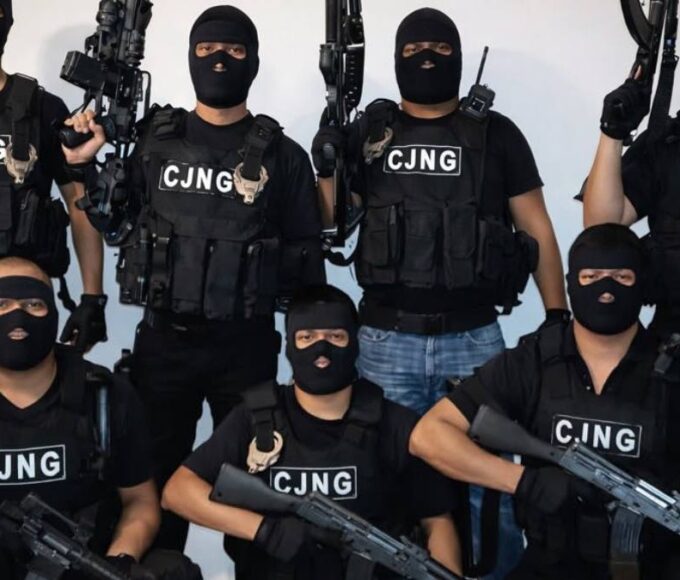
Under his leadership, CJNG expanded rapidly. The cartel trafficked fentanyl, meth, cocaine, and heroin, and used extreme violence, including drones, landmines, and attacks on Mexican forces. The U.S. designated CJNG as a foreign terrorist organization the day of his death.
El Mencho’s death does not end the cartel. CJNG remains powerful, with a decentralized structure that allows mid-level commanders to act independently. Experts warn that violence and internal power struggles are likely to continue.
Authorities have deployed extra troops and urged residents to stay safe. The international community watches closely as CJNG’s reach extends to U.S. cities and global drug networks.
For now, the flames and roadblocks across five states are a grim reminder of El Mencho’s lasting impact on Mexico’s drug war.






 Follow on Google News