
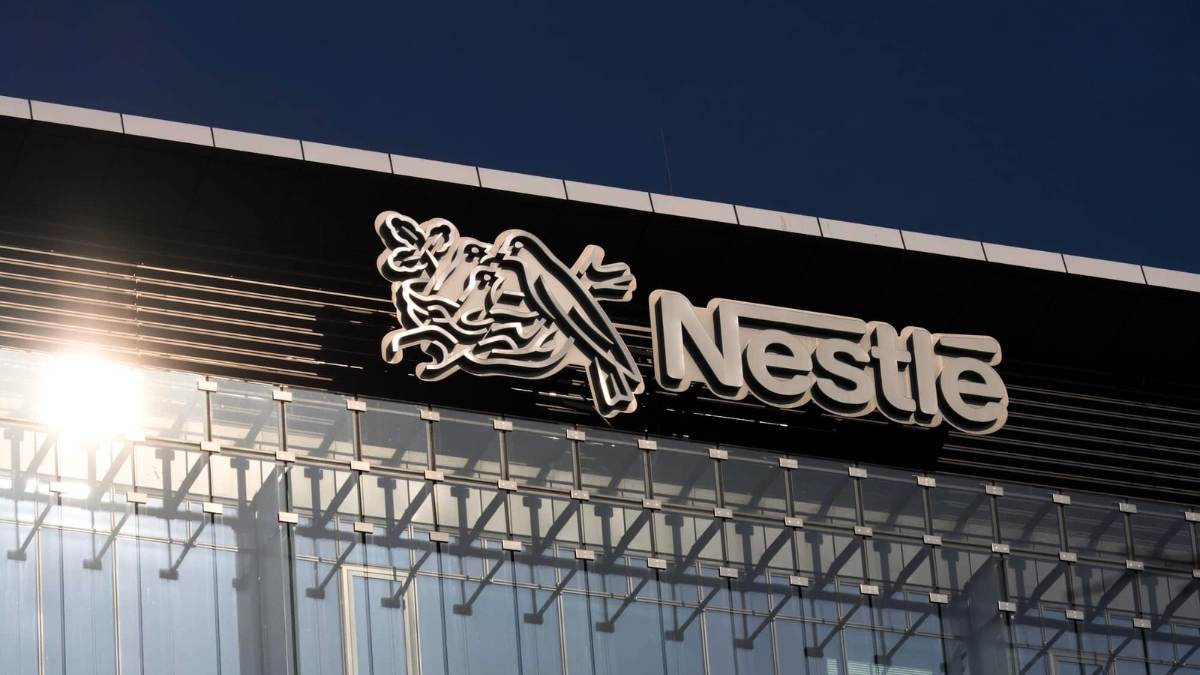
Swiss food giant Nestlé is facing ongoing economic pressure in 2026. The company is struggling with declining sales, restructuring efforts, and a global boycott over its business ties to Israel.
Nestlé owns Osem Investments, an Israeli food manufacturer acquired in 2016. Critics, including pro-Palestinian groups and the BDS movement, say this supports Israel’s economy. Boycotts have spread worldwide, causing sales to fall, particularly in regions affected by the campaigns.
Overall, Nestlé’s sales dropped 1.8% last year. Social media users have encouraged alternatives, favoring local brands or competitors like Lindt and Meiji.
In October 2025, Nestlé announced it would cut 16,000 jobs over the next two years, about 5% of its global workforce. Most of the roles affected are white-collar positions in marketing, administration, and supply chain, with 12,000 set for automation or outsourcing.
Nestlé says the restructuring responds to rising costs, supply chain disruptions, and a push for efficiency through AI and digital technology. However, boycott advocates argue the timing shows the campaigns’ financial impact.
The company defends its operations, noting it employs thousands in the Middle East and North Africa and contributes to local economies without taking political sides. Despite this, activists continue to pressure Nestlé globally, particularly during cultural periods like Ramadan.
Analysts warn that while Nestlé’s stock jumped 8% after the restructuring announcement, long-term reputational damage could slow growth in emerging markets.
The situation highlights the growing intersection of geopolitics and corporate accountability in the global food industry.