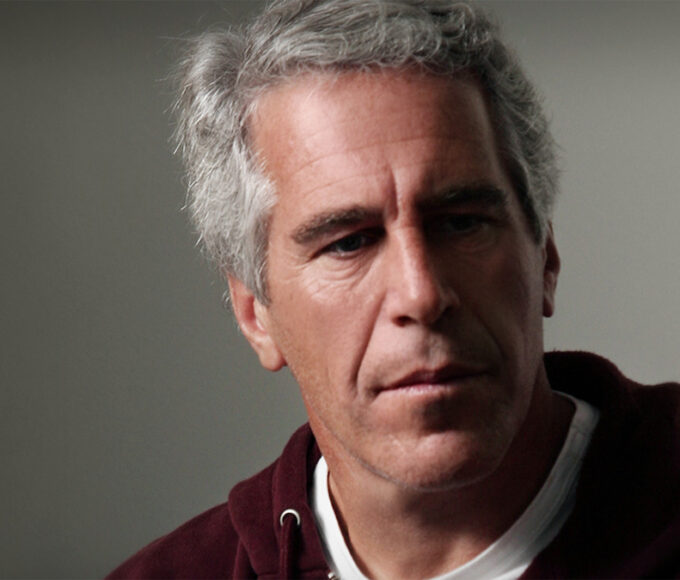

Stanley Kubrick’s final film, ‘Eyes Wide Shut’ (1999), is gaining renewed attention for how it seemingly predicted the Jeffrey Epstein scandal.
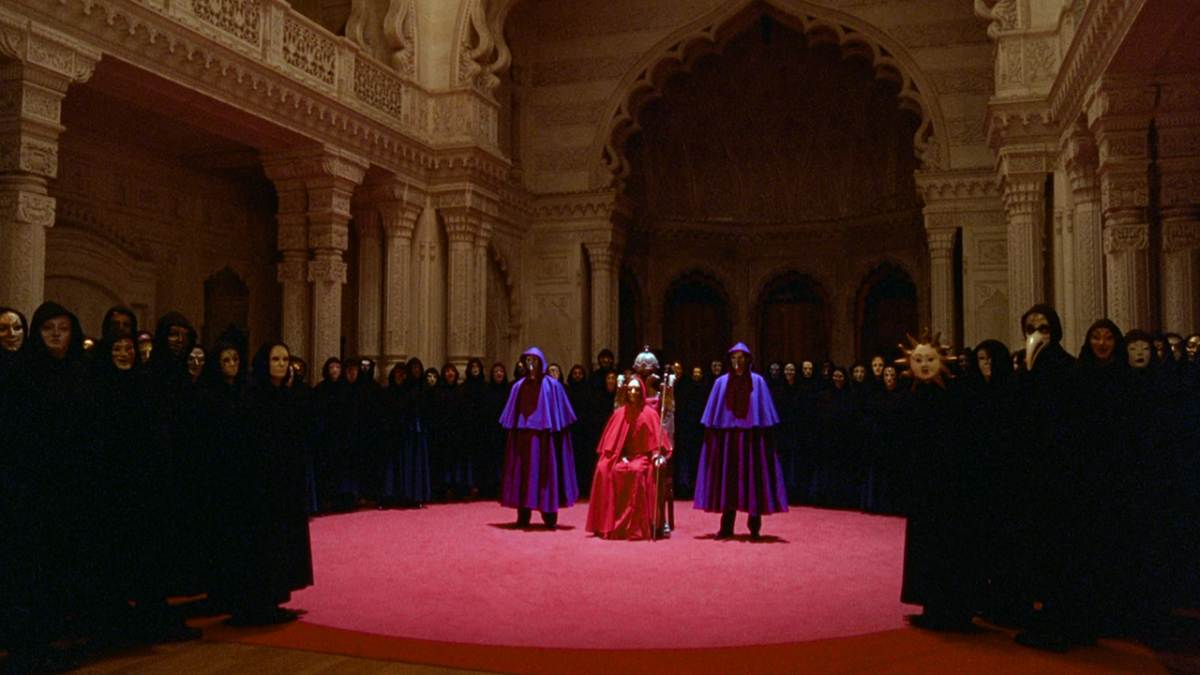
The film follows Dr. Bill Harford, played by Tom Cruise, as he stumbles upon a secret society of wealthy men engaged in masked sexual rituals in New York City. His wife, Alice Harford (Nicole Kidman), is also drawn into the tension and danger that surrounds the elite’s clandestine activities.
At the time, audiences found the story far-fetched. But decades later, as details of Epstein’s network of powerful men abusing young women have emerged, the film’s narrative now feels eerily plausible.
Cinematographer Larry Smith, who oversaw the Criterion Collection restoration, said on the It Happened in Hollywood podcast, “I think we’re intelligent enough to understand just how the cards are stacked, aren’t we?”
Kubrick’s story depicts a world where wealth, secrecy, and impunity enable the exploitation of vulnerable women—a dynamic mirrored in Epstein’s crimes. Victims in the film, like those in real life, are economically vulnerable and treated as disposable by the powerful men around them.
The film’s orgy sequence, highly stylized and ritualized, parallels how Epstein used luxury and appearances—private jets, islands, and exclusive events—to hide his abuse while intimidating those who might expose him.
Beyond its scandalous imagery, ‘Eyes Wide Shut’ examines psychosexual dynamics, marital trust, and the corrupting influence of unchecked power. Kubrick’s prescience highlights a society where such abuse is not just possible but systemic.
Today, the film is viewed not only as a cinematic masterpiece but also as a disturbing commentary on wealth, secrecy, and exploitation—foreshadowing real-world events decades before they unfolded.