
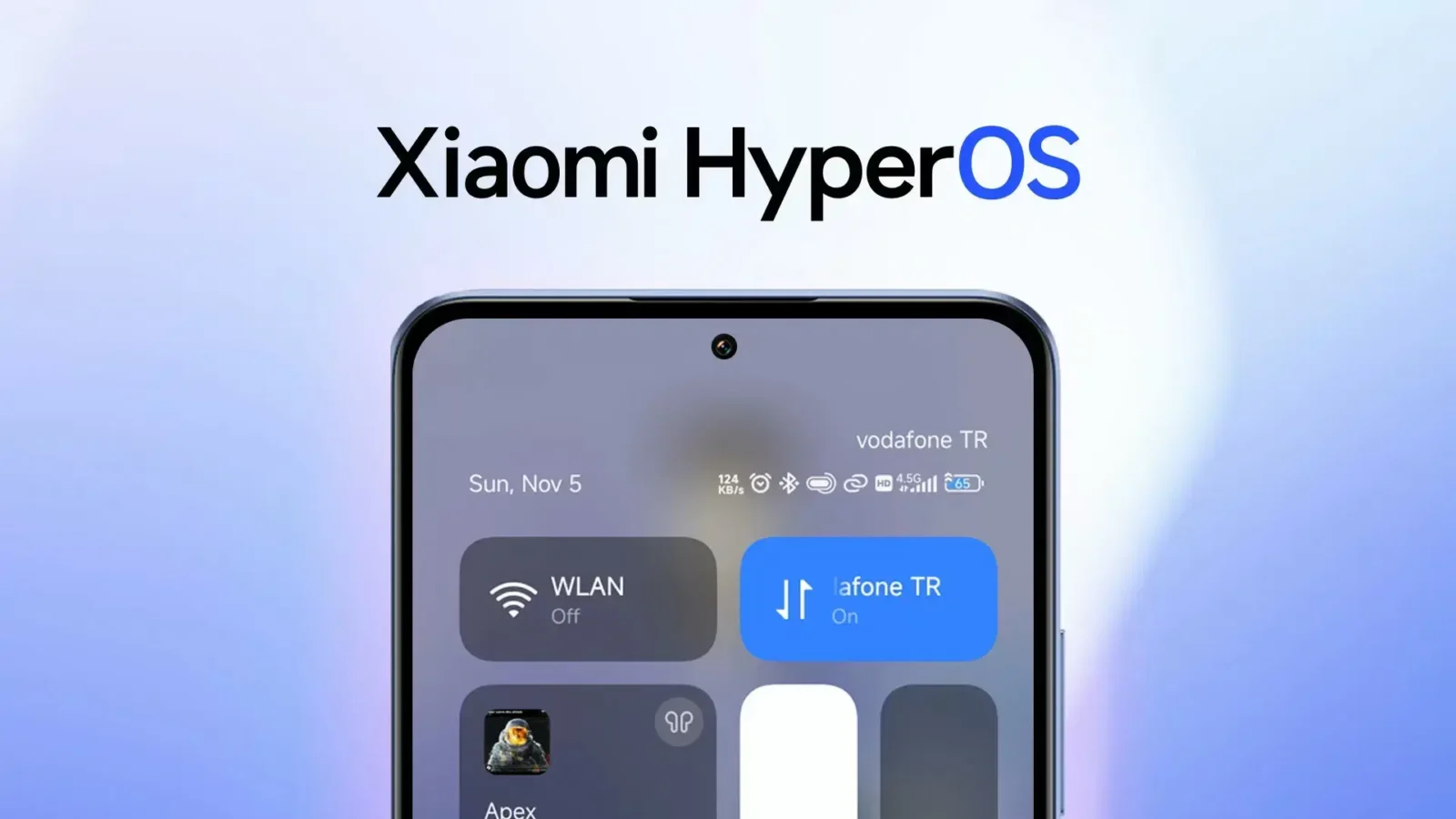
POCO phones are set for a major software change. With the arrival of HyperOS 4, Xiaomi will discontinue the POCO Launcher and move all devices to a single unified HyperOS System Launcher.
The change is linked to a new update system called SOTA, which stands for Super OTA. This technology allows updates to install in the background without forcing users to reboot their devices.
Traditional Android updates require a restart. The phone shuts down, installs the update, and then turns back on. SOTA removes this step. It separates the system into different parts. Core system files stay in one section, while apps and interface features stay in another. Each part can update on its own without interrupting the user.
With this new system, launchers and apps can update while users continue to use their phones. There is no downtime and no waiting for reboot screens.
Because of this change, Xiaomi has decided to merge the POCO Launcher with the main HyperOS launcher. Recent test versions show that both launchers already share almost identical code. Maintaining two separate versions creates extra work and slows development.
POCO tablets have already adopted the same launcher used on Xiaomi tablets. The company now plans to bring that same unified experience to smartphones.
The move should improve update speed and feature rollout. In the past, new features often appeared first on Xiaomi-branded phones. POCO users had to wait for those features to be adapted to their separate launcher. With one shared system, all devices should receive updates at the same time.
Bug fixes and performance improvements should also arrive faster. Developers will focus on one launcher instead of maintaining two different versions.
HyperOS 4 continues Xiaomi’s strategy of “One System, One Interface.” The company aims to create a consistent experience across Xiaomi, Redmi, and POCO devices.
SOTA technology already exists in HyperOS 3.1 in limited form. HyperOS 4 will expand it further. If it works as planned, software updates could become faster, smoother, and less disruptive for users.
The transition marks the end of the POCO Launcher, but Xiaomi says it brings a more unified and efficient system for all devices.