
Japan has launched the world’s first deep-sea rare earth extraction trial, aiming to secure critical minerals from the ocean floor and reduce reliance on foreign suppliers.
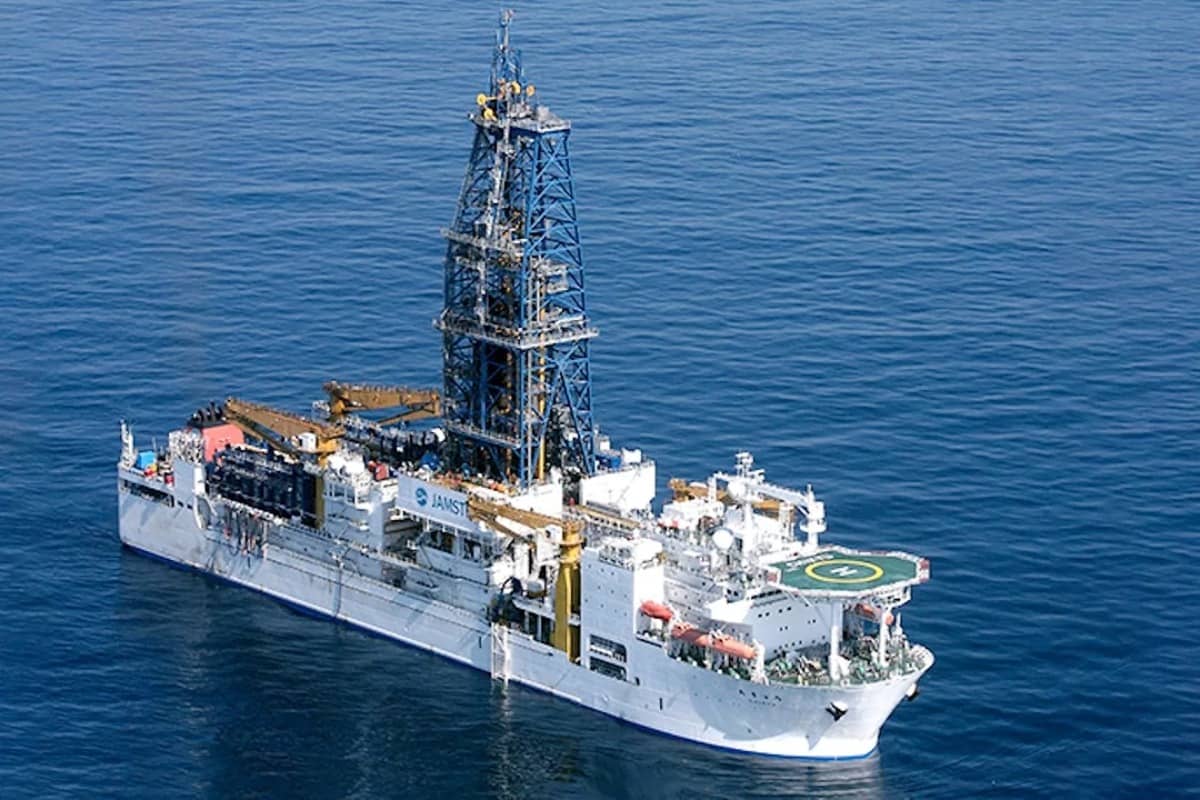
On January 12, 2026, Japan’s research vessel Chikyu left Shimizu Port for a month-long mission near Minamitorishima, a remote island in the Pacific. The project is led by the Japan Agency for Marine-Earth Science and Technology (JAMSTEC) and will run until February 14, 2026.
This marks the first attempt to continuously lift rare-earth-rich mud from about 6,000 meters below the sea surface and bring it directly onto a ship. The depth is deeper than the height of Mount Fuji.
The target area lies inside Japan’s exclusive economic zone, around 1,900 kilometers southeast of Tokyo. Studies suggest the seabed mud contains huge amounts of rare earth elements, which are vital for electric vehicles, wind turbines, smartphones, and defense systems.
Japan has invested about ¥40 billion (roughly $256 million) in the project since 2018. The push comes as Japan seeks to cut dependence on China, which currently supplies more than 70% of Japan’s rare earth needs.
The trial will test special pipes and suction equipment designed to pull mud from the seafloor and pump it to the surface. If successful, the material may be partially processed near Minamitorishima before being shipped to mainland Japan.
Officials hope the technology could lead to pilot operations by 2027–2028 and commercial production around 2030. The goal is to create a stable domestic supply of rare earths.
However, environmental groups have raised concerns, warning that deep-sea mining could damage fragile ecosystems. Japan says environmental monitoring is a key part of the trial, as it balances resource security with ocean protection.
The mission could change how the world sources critical minerals. As the Chikyu operates in uncharted waters, global attention is focused on whether deep-sea mining can be done safely and responsibly.







 Follow on Google News