
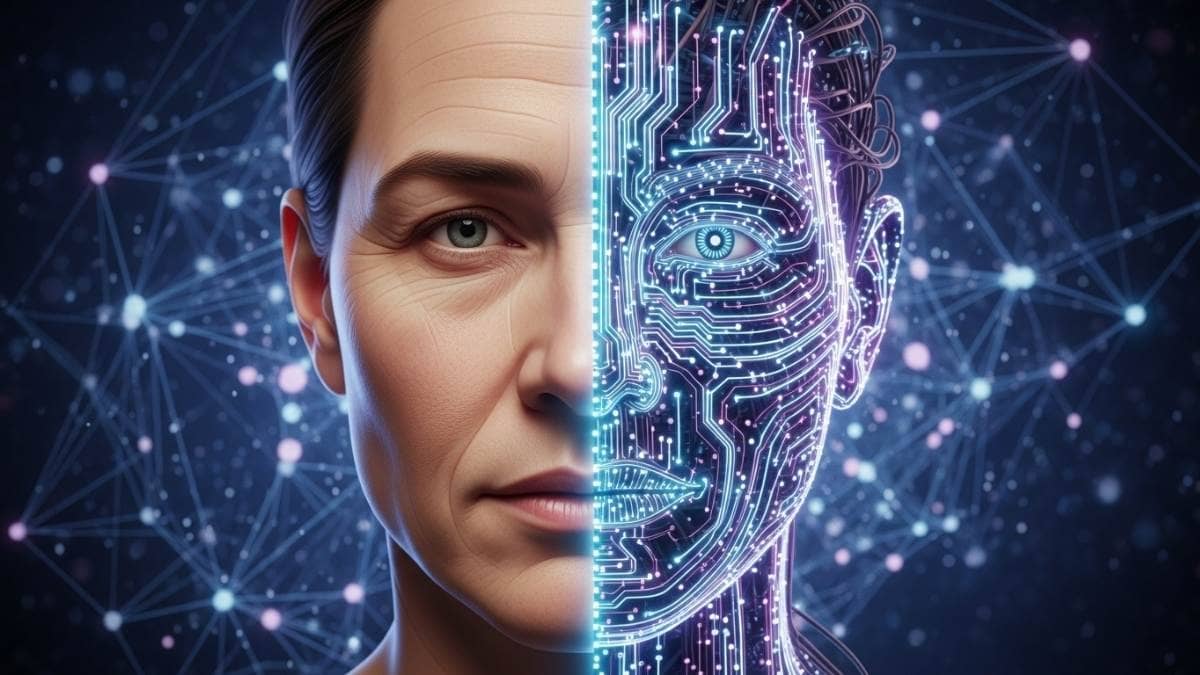
Deepfakes are videos, images, or audio created using artificial intelligence (AI) that replace someone’s face, voice, or likeness with another person’s. These can look very real because AI models are trained on large sets of real images or recordings.
While deepfakes are sometimes used for movies, art, or entertainment, they are increasingly misused to scam people, damage reputations, or spread false information.
The technology behind deepfakes is improving fast, making it hard to tell real content from fake. This makes understanding and protecting yourself from deepfakes more important than ever.
Examples of Deepfakes
- Celebrity Scams: Fake endorsements featuring Taylor Swift, Tom Hanks, or Oprah Winfrey have promoted fraudulent schemes, reaching millions of viewers.
- Political Manipulation: A deepfake of Nancy Pelosi appeared to slur her words, spreading false information about her health.
- Privacy Warnings: A video of Mark Zuckerberg bragging about owning users’ private data sparked discussions about AI misuse and online privacy.
These examples show how anyone, from everyday users to public figures, can be targeted.
How to Protect Yourself
Protecting yourself from deepfakes involves awareness and careful online behavior:
- Be mindful of what you share: Avoid posting high-quality photos, videos, or voice recordings that could be used to create deepfakes.
- Verify suspicious content: Use reverse image search tools like Google Images or TinEye, and video verification tools like InVID. Check the source before believing or sharing content.
- Be cautious of unexpected requests: Scammers may use deepfakes to impersonate people you trust. Verify by calling or messaging the person directly before acting.
- Monitor your online presence: Regularly search your name and images online. Tools like PimEyes can help track if your likeness is being misused.
- Learn deepfake signs: Watch for unnatural blinking, mismatched audio, or other odd details. Staying informed is the first step to protecting yourself.
Always Use a VPN and Additional Tools
A VPN (Virtual Private Network) is a simple but powerful way to protect your online presence and reduce the risk of deepfake attacks. Here’s how:
- Encrypt your internet traffic: A VPN hides your data from hackers who might use it to create deepfakes or steal your identity.
- Hide your IP address: Masking your real location reduces the chances of being targeted online.
- Protect on public Wi-Fi: Using unsecured networks without protection can expose your personal data. A VPN keeps your information safe even on public Wi-Fi.
Tools like NordVPN Threat Protection Pro go a step further. They block phishing sites, trackers, and malicious ads, preventing hackers from accessing personal data that could be misused in deepfakes.

Stay Safe Online From Deepfakes With NordVPN!
Grab this limited-time offer and enjoy premium VPN protection at an unbeatable price!
Why Use NordVPN?
NordVPN is a reliable choice for online security and privacy:
- Multi-platform support: Apps are available for Windows, macOS, Android, iOS, Linux, AppleTV, AndroidTV, and more.
- Global server network: Thousands of servers in 165 locations worldwide provide fast and secure connections.
- Strong privacy: NordVPN has been audited five times and is a no-logs service, meaning your online activities remain private.
- Advanced security: Uses AES-256 encryption and multiple protocols, including NordLynx (a version of WireGuard), OpenVPN, and IKEv2/IPsec.
- Special features: Dedicated IP, Double VPN, Onion over VPN, and Obfuscated servers enhance security and bypass restrictions.
- Threat Protection Pro: Blocks malware, malicious links, and phishing attempts, protecting personal data from hackers who could exploit it for deepfakes.
Additionally, NordVPN supports 10 simultaneous connections, making it easy to protect all your devices at once. For anyone concerned about online privacy, cyber threats, or deepfake risks, NordVPN is a strong tool for staying safe.
Conclusion
Deepfakes are a growing threat, affecting everyone from social media users to public figures. Staying aware, verifying content, and protecting your online presence are essential steps. Tools like NordVPN can help secure your data, protect your identity, and give you peace of mind in a digital world where deepfakes are becoming more common.
By combining smart online habits with secure tools, you can stay one step ahead of deepfake threats and protect yourself from scams, harassment, or identity theft.