

A pill designed to treat sleep apnea could reach patients as soon as 2027, according to biotech startup Apnimed, which is preparing to file for FDA approval this year.
Sleep apnea affects an estimated 80 million people in the United States. The condition causes breathing to stop and start during sleep and is linked to heart disease, stroke, and brain disorders if left untreated.
Apnimed’s treatment is based on a combination of two existing drugs discovered by Harvard researchers. The pill works by stimulating the brain stem to keep throat muscles from fully relaxing, while still allowing the brain to remain asleep.
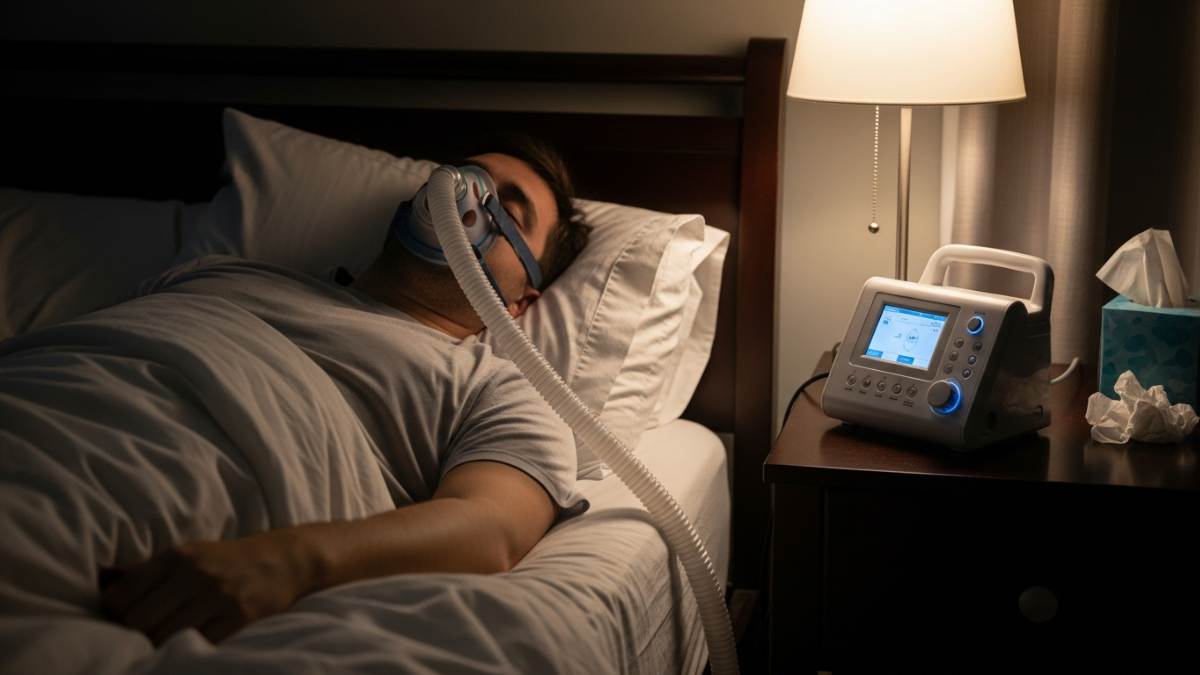
If approved, the pill could offer an alternative to CPAP machines, the current standard treatment. While effective, CPAP devices are widely disliked, and many patients refuse to use them or avoid diagnosis entirely.
In Phase 3 clinical trials, the pill showed promising results. One study found a 47% reduction in sleep apnea severity after 26 weeks, compared with 7% for placebo, with no serious side effects reported.
Apnimed has raised $260 million from investors and is valued at around $400 million. The company is now considering how to finance a commercial launch, including the possibility of an initial public offering.
Experts say the drug could change how sleep apnea is treated. Doctors note that most diagnosed patients are still untreated, mainly due to poor tolerance of existing devices.
While other drugs, such as weight‑loss medications, can help some patients, Apnimed’s pill would be the first treatment to directly target sleep apnea itself.
If successful, the pill could transform sleep apnea care into a model closer to asthma or high blood pressure treatment, where patients can choose from multiple medical options rather than relying on a single device.







 Follow on Google News