

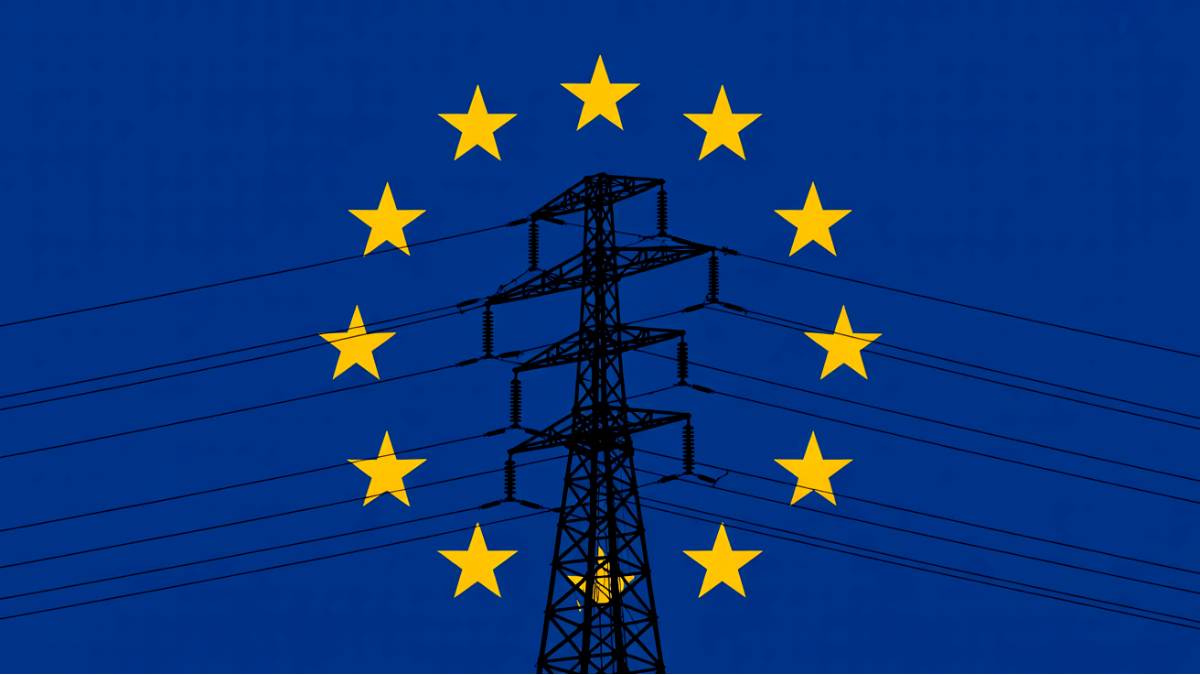
Europe’s energy transition is moving into a new and more complex stage. According to a recent note from Goldman Sachs, European utilities are entering a multi‑year “super cycle.”
This shift is not driven by one event. Instead, three forces are coming together at the same time: rising power demand, the closure of aging power plants, and the need to rebuild electricity grids.
Goldman says 2026 will not be about immediate profits. It will be the year when the foundations of the next investment cycle become clear. Companies’ spending plans, earnings trends, and market structure should begin to reflect this long‑term change.
Power Demand Is Rising Again
For many years, electricity demand in Europe was flat or falling. That trend is now changing. Demand is rising due to electrification and new digital infrastructure.
Datacenters are a key driver. These facilities run cloud services, artificial intelligence systems, and digital platforms. They require large amounts of reliable electricity.
Goldman estimates that by 2035, datacenters in the EU could reach about 45 gigawatts of IT capacity. When cooling and related systems are included, total demand could reach around 60 gigawatts.
Electrification adds further pressure. Electric vehicles, heat pumps, and electric heating systems all increase power use. New industrial activity also adds load. Together, these trends mean that Europe’s electricity system is no longer in long‑term decline.
This matters because power systems tighten first during peak hours. Once that happens, prices for backup power, storage, and flexibility rise.
Supply Is Getting Tighter
At the same time, Europe is losing firm power supply. Multiple coal and nuclear plants are set to retire over the next decade. Many of these facilities are old and expensive to maintain. Their closures will reduce reliable baseload generation.
Goldman expects these retirements to weaken reserve margins later this decade. This means there will be less buffer capacity available during periods of high demand or low renewable output. As a result, the system becomes more sensitive to shocks and price spikes.
Lower Gas Prices Are Not a Major Threat
Another key issue is falling gas prices. Since August 2025, European natural gas prices have dropped sharply. Power prices followed, though to a lesser degree.
Goldman tested a further drop in gas prices and found that the impact on most utility earnings would be limited. Only a small number of generators show meaningful exposure. Even in a downside scenario, profit pressure remains modest for most companies.
The report explains why. Utilities now use more advanced hedging. Power price curves already reflect lower prices. Earnings bases are also larger than in previous cycles. Together, these factors reduce risk.
Grids Become the Core Growth Story
If there is one clear winner in this cycle, it is electricity grids. Goldman describes grids as a “quality earnings growth powerhouse.”
Much of Europe’s transmission and distribution network is over 40 years old. These systems were not built for high renewable penetration, two‑way power flows, or large electrified loads.
Goldman estimates Europe will need between €1.2 trillion and €1.4 trillion in grid investment over the next decade. This represents an acceleration of around 85% compared to the previous ten years. These investments are regulated, long‑term, and largely unavoidable.
For utilities, this means steady returns backed by regulated asset bases.
Power Bills Likely to Rise, but Gradually
Large investment numbers often raise concerns about consumer costs. Goldman argues that bill increases will be real but manageable.
Not all spending is inflationary. About 40% of electrification investment replaces existing assets or lowers costs over time, such as wind and solar.
On average, Goldman expects European power bills to rise by around 3% per year over the next five years. However, differences between countries will be large. Regions with higher grid investment needs, such as Germany and the UK, could see increases closer to 7% per year.
By 2030, Goldman estimates that German power bills could be about 45% higher than Italy’s.
A System‑Wide Shift
Goldman’s message is not about a single trade or short‑term gain. It is about a system‑wide change that unfolds over many years.
Demand is rising again. Reliable supply is shrinking. Flexibility has growing value. Grids become the foundation of the system.
In this view, 2026 marks the start of a new chapter in Europe’s energy transition.






 Follow on Google News