
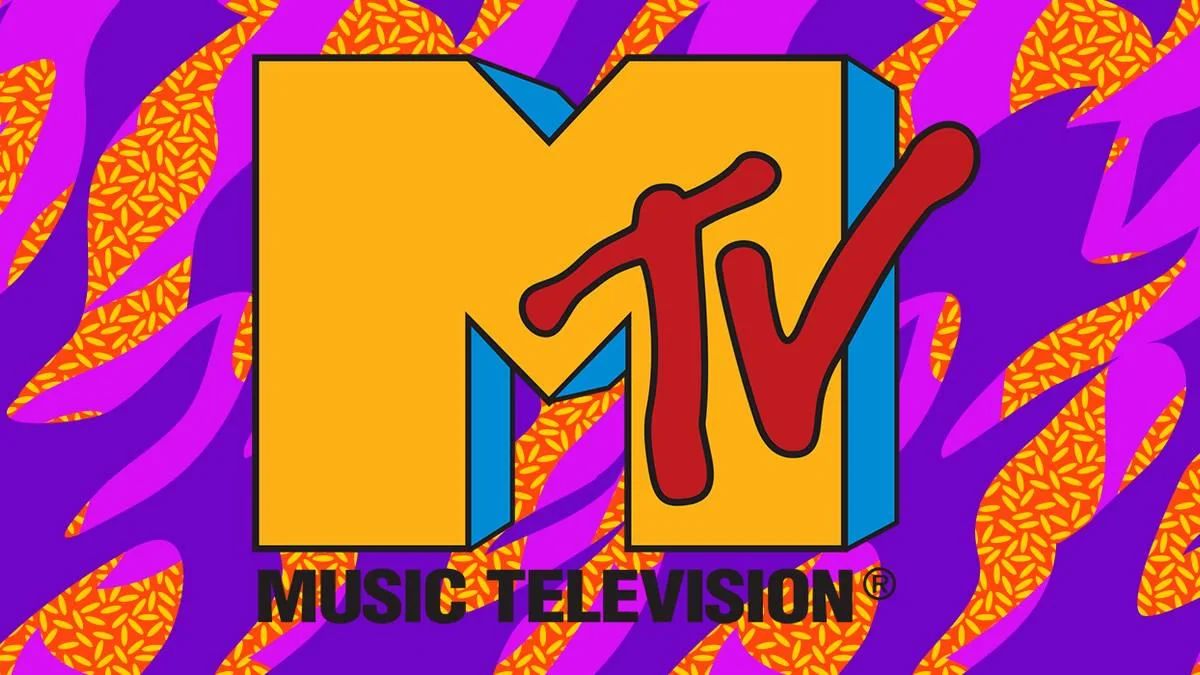
MTV has officially shut down its last remaining 24-hour music video channels around the world, ending a 44-year chapter in music and television history.
Paramount Skydance, MTV’s parent company following its merger earlier this year, confirmed the closure of several channels. These include MTV Music, MTV 80s, MTV 90s, Club MTV, and MTV Live.
The shutdown affects multiple regions, including the UK, Europe, Australia, France, Poland, Brazil, and other markets. Major TV providers such as Sky and Virgin Media have removed the channels from their lineups.
In a symbolic final moment, MTV Music signed off by airing “Video Killed the Radio Star” by The Buggles. The song was the first music video played when MTV launched in the United States on August 1, 1981.
The company said the decision reflects a long-term decline in traditional TV viewing. Audiences now consume music mainly through on-demand platforms such as YouTube, TikTok, and streaming services. Paramount also cited cost-cutting efforts as it reshapes its media portfolio and shifts focus to digital content.
The main MTV channel will continue to operate but will focus largely on reality programming. Popular shows include Jersey Shore, The Challenge, and Catfish. Music programming will remain part of the brand through live events, digital platforms, and the MTV Video Music Awards.
MTV’s impact on global culture remains significant. The channel helped turn music into a visual experience and played a major role in launching artists such as Michael Jackson, Madonna, and Nirvana. It also created influential shows like Total Request Live (TRL), Yo! MTV Raps, and Headbangers’ Ball, shaping youth culture, fashion, and social conversations.
Former MTV VJ Neil Cole reflected on the shutdown, saying music was always the channel’s main purpose. Fans around the world shared messages of sadness and nostalgia online, recalling the excitement of music video premieres and shared viewing moments.
While the MTV brand continues in new forms, the closure of its final 24-hour music channels marks the definitive end of round-the-clock music television. For many viewers, it signals the close of an era that defined how generations discovered music.






 Follow on Google News