

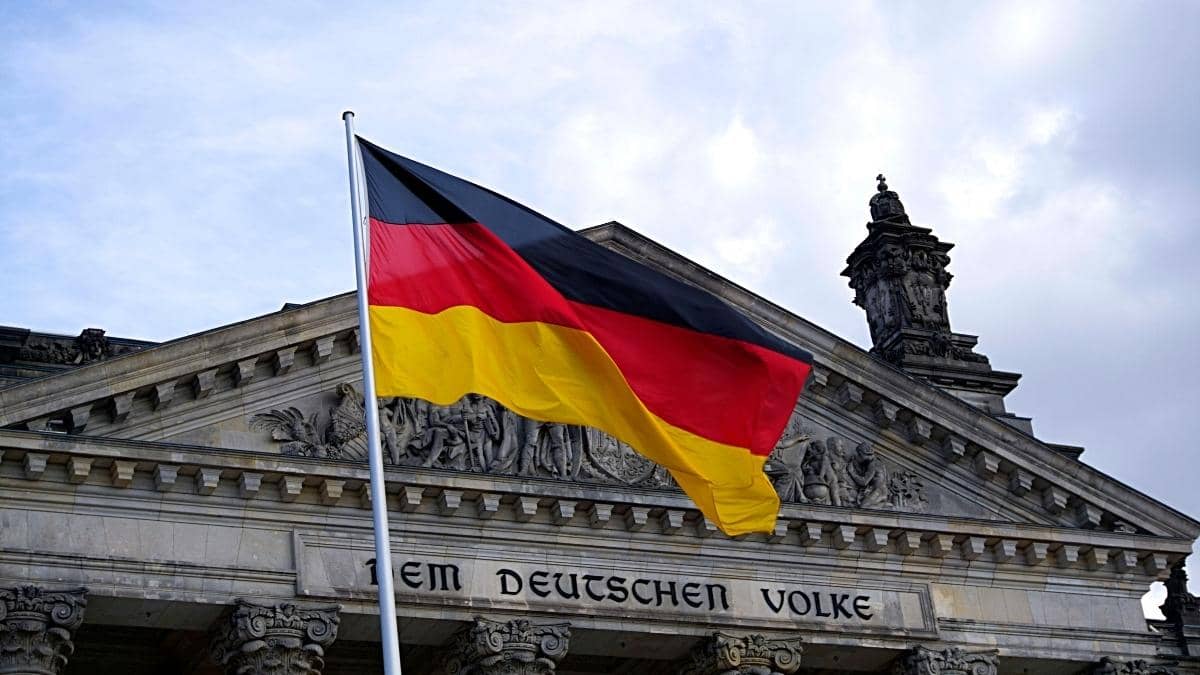
Germany will see major changes in 2026 that affect workers, students, and immigrants. These updates will impact pay, taxes, work rules, immigration, and citizenship. Anyone planning life in Germany must understand these changes to avoid problems.
Higher Wages and Tax Relief
Germany’s minimum wage will rise to €13.90 per hour in 2026. As a result, the income limit for mini‑jobs will also increase. This means many workers will earn more each month.
The government will also raise the basic tax‑free allowance to €12,348 per year. People who earn below this amount will not pay income tax. This change helps low‑income workers and students keep more of their money.
Student Work Rules Matter More
Work rules for international students will stay the same. Students can still work 140 full days or 280 half days per year. During the semester, this usually means up to 20 hours per week. During breaks, students can work full‑time.
However, the type of job matters more in 2026. Mini‑jobs, midi‑jobs, and regular jobs have different tax and social security rules. Small changes in income can reduce take‑home pay. Many students also overpay tax during the year. Filing a tax return can often bring money back.
Higher Social Security Contributions
In 2026, Germany will raise the income ceilings for social security contributions. This affects full‑time workers with higher salaries.
Even if gross pay stays the same, net pay may fall slightly. More income will count toward health, pension, unemployment, and care insurance. Graduates in fields like IT, engineering, and finance may notice a small drop in monthly pay.
More Pay Transparency at Work
By June 7, 2026, Germany must apply the EU pay transparency rules. Job ads will show salary ranges more often. Employers must explain how they set salaries if workers ask.
This change gives job seekers clearer information and helps reduce unfair pay differences.
Stronger Protection for International Workers
From 2026, employers who hire non‑EU workers must provide written details about a national advisory service. This service helps foreign workers understand their rights, including pay, working hours, overtime, and holidays.
This rule creates a safety net for international workers who may not fully understand German labor laws.
Immigration Rules Become Stable
There is no new immigration law in 2026. Instead, earlier reforms from 2023 and 2024 are now fully in place.
The Opportunity Card allows non‑EU citizens to stay in Germany for up to one year to look for work. It uses a points system but does not guarantee a job. Language skills, experience, and the job market still matter. Applicants must choose the right visa and meet financial requirements.
Studying in Germany Gets More Expensive
The blocked account amount for student visas may rise again in 2026. This amount reflects higher living costs and often increases every one or two years.
Students must check the latest official numbers and plan extra money for rent, deposits, insurance, and daily expenses.
Citizenship Rules Are Now Clear
Germany’s 2024 nationality law is fully active in 2026. The country now allows dual or multiple citizenship. Most people can apply for citizenship after five years of legal residence.
Germany no longer requires people to give up their original nationality, but home country rules still apply.
The Bottom Line
Germany in 2026 offers higher wages, clearer rules, and better protection for workers and migrants. But living costs are rising, and planning based on old information can lead to mistakes. Learning German and understanding the system remain key to long‑term success.