
Netflix has announced a historic agreement to acquire Warner Bros. and its entertainment assets in a deal valued at more than $82 billion. The transaction marks the largest purchase in Netflix’s history and one of the most significant deals the film and television industry has ever seen.
Under the agreement, Netflix will take ownership of Warner Bros.’ film and television studio, HBO, DC’s film and TV projects, and the company’s massive library of movies and series. Netflix will also gain Warner’s production facilities, distribution networks, and global studio infrastructure. The deal is expected to close in 2026, pending regulatory approval.
Warner Bros. Discovery CEO David Zaslav will separate the company’s cable and linear TV networks into a new publicly traded business called Discovery Global, which will not be included in the sale.
What Netflix Will Control
Once finalized, the acquisition will give Netflix control over some of the most influential entertainment brands in the world. These include:
- Harry Potter
- The Lord of the Rings
- The Matrix
- The Conjuring Universe
- The MonsterVerse
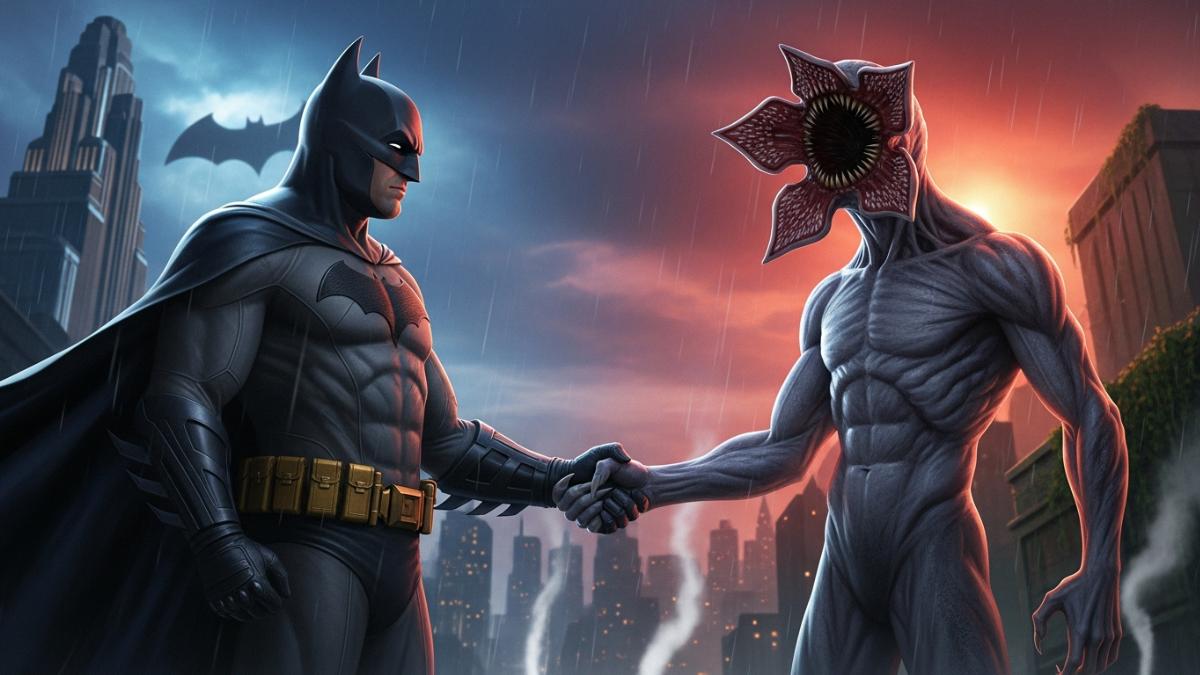
- DC superheroes such as Batman, Superman, Wonder Woman, and the Joker
- HBO’s major titles, including Game of Thrones, The Sopranos, The Last of Us, and The White Lotus
- Warner Bros. Television, producer of long-running hits like Friends and The Big Bang Theory
Netflix says the acquisition “brings together two pioneering entertainment businesses” and will preserve Warner Bros.’ theatrical operations, meaning the iconic studio shield logo will continue to appear in cinemas.
Why Netflix Is Making This Move
Netflix has faced increasing competition from Disney+, Prime Video, Apple TV+, and other streamers. As studios reclaimed their content and pulled shows from Netflix, the company relied heavily on original programming.
Buying Warner Bros. gives Netflix permanent rights to a century-old content library, removing licensing risks and supplying the company with thousands of titles to expand and monetize.
The deal also strengthens Netflix’s growing interest in theatrical releases. Warner’s established cinema pipeline gives Netflix the ability to release films in theaters before bringing them to its platform.
Impact on Viewers, Creators, and Competitors
For viewers, the acquisition could lead to a more unified streaming experience. If Netflix eventually merges HBO Max into its service, subscribers may see a single platform offering Netflix originals alongside Warner Bros. and HBO hits. However, Netflix says decisions about service packaging will come later.
For creators, the deal provides opportunities for larger-scale productions and wider global distribution. At the same time, industry consolidation may reduce the number of independent buyers, which could affect smaller or experimental projects.
Rival studios will likely rethink their strategies as Netflix becomes both a major streaming platform and one of the industry’s most powerful content owners.
Regulatory and Industry Challenges
The deal faces possible delays due to antitrust concerns. Regulators may review how the merger affects competition, content availability, and media consolidation. Conditions or asset sales may be required before the deal can close.
Another unknown is how Netflix and Warner Bros. will merge their creative cultures. Warner Bros. is a long-established Hollywood studio, while Netflix operates more like a tech company. Questions remain about how leadership changes could affect franchises such as DC, and whether theatrical releases will remain a priority.
For now, Netflix says it plans to maintain Warner Bros.’ existing operations until the deal is approved.







 Follow on Google News